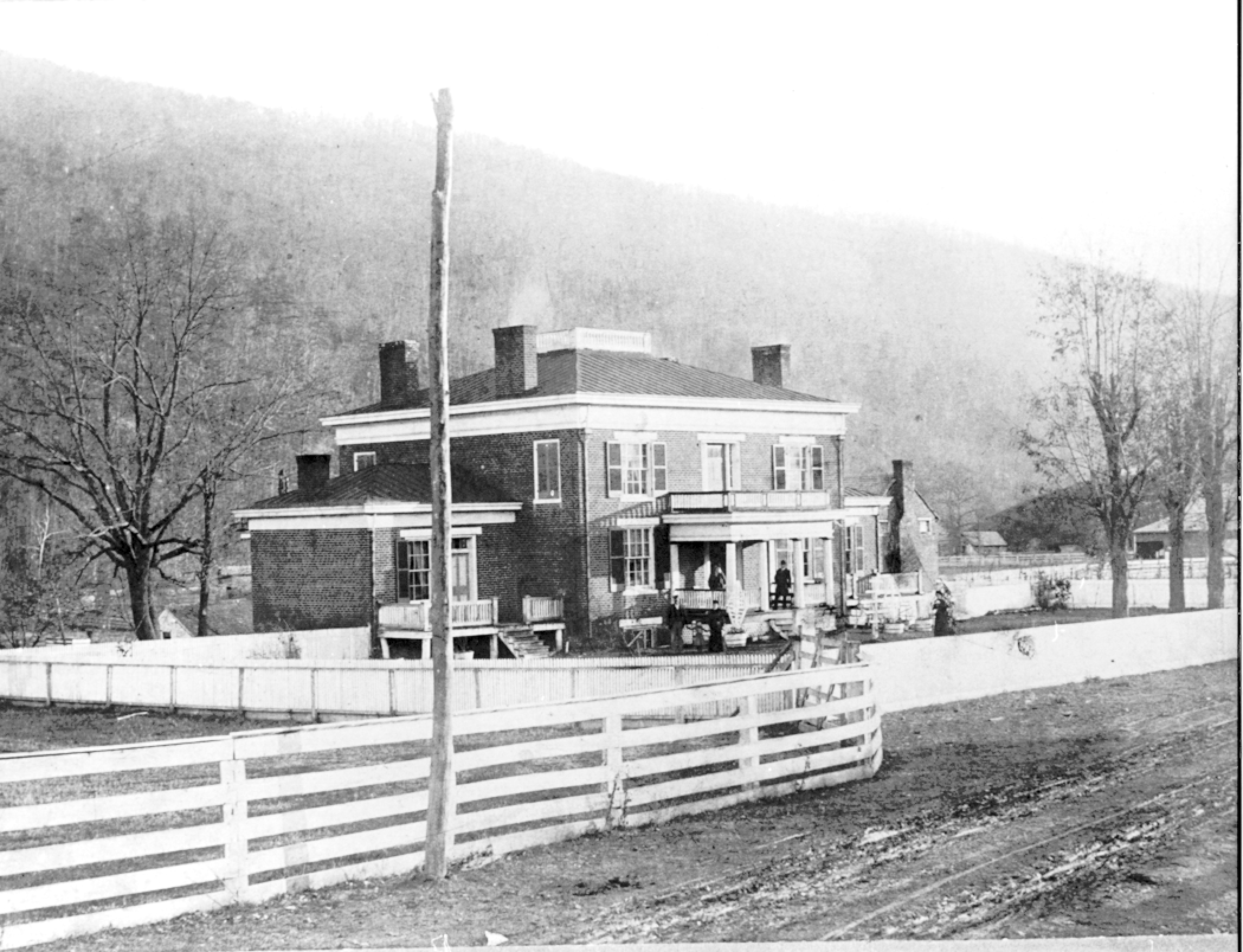
Descendants of Roger Hickman (1813–1889) • Back Creek, Bath County, Virginia
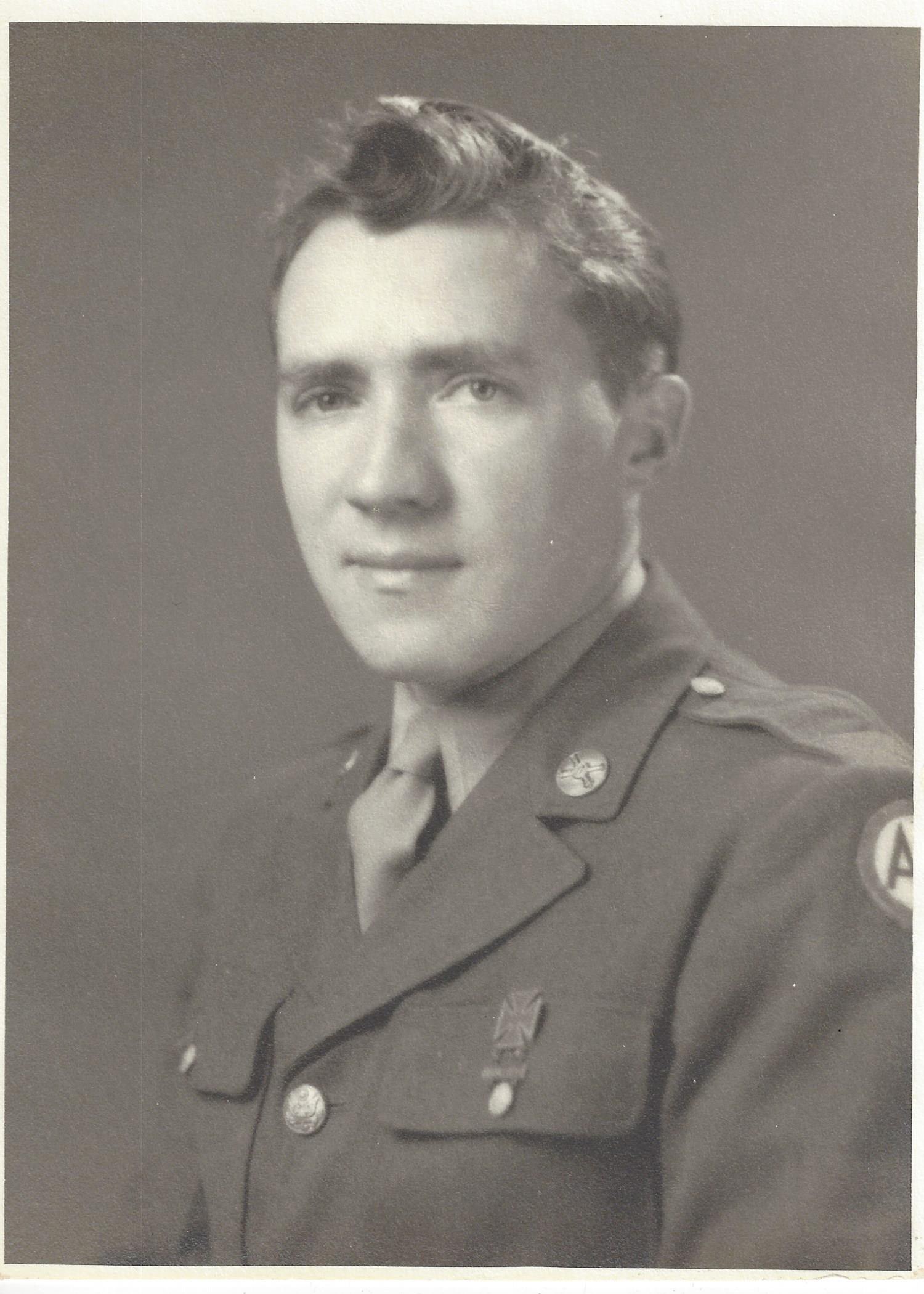
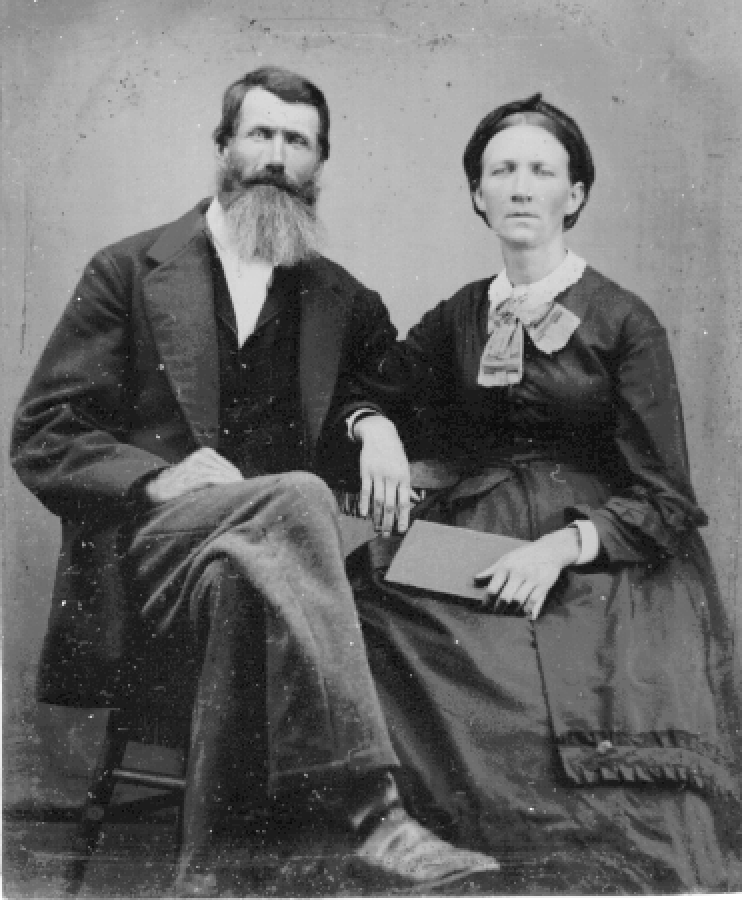
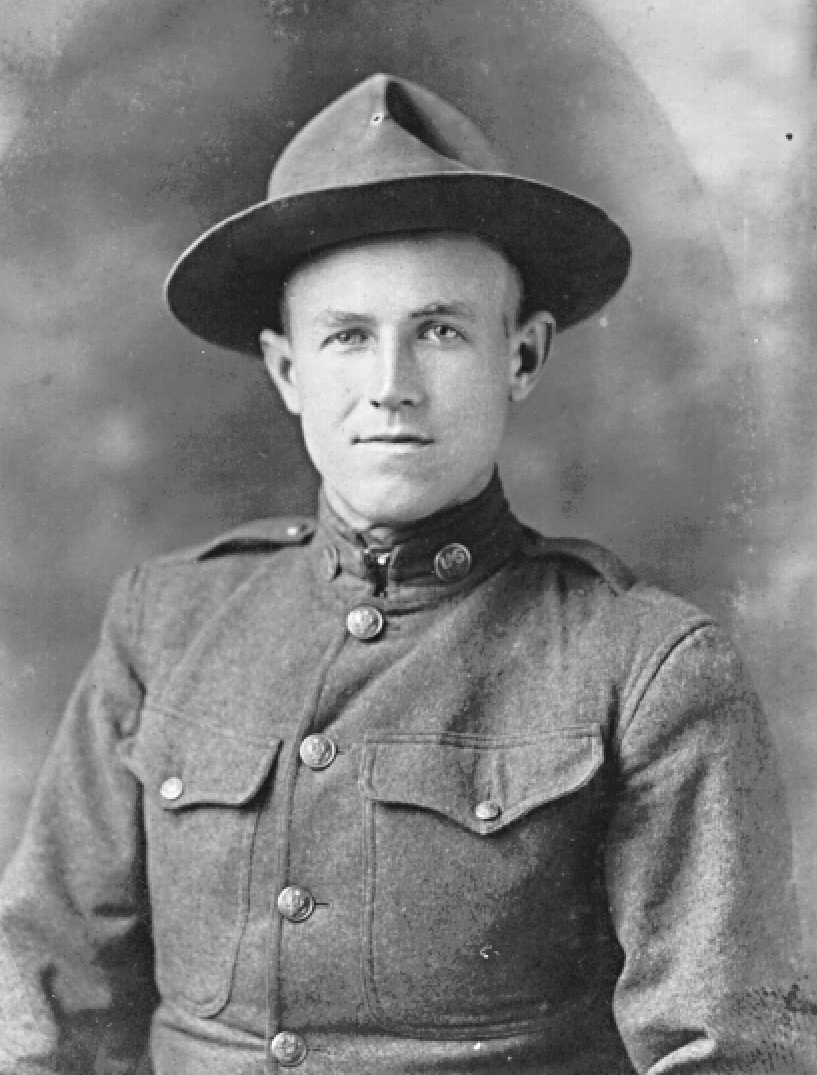
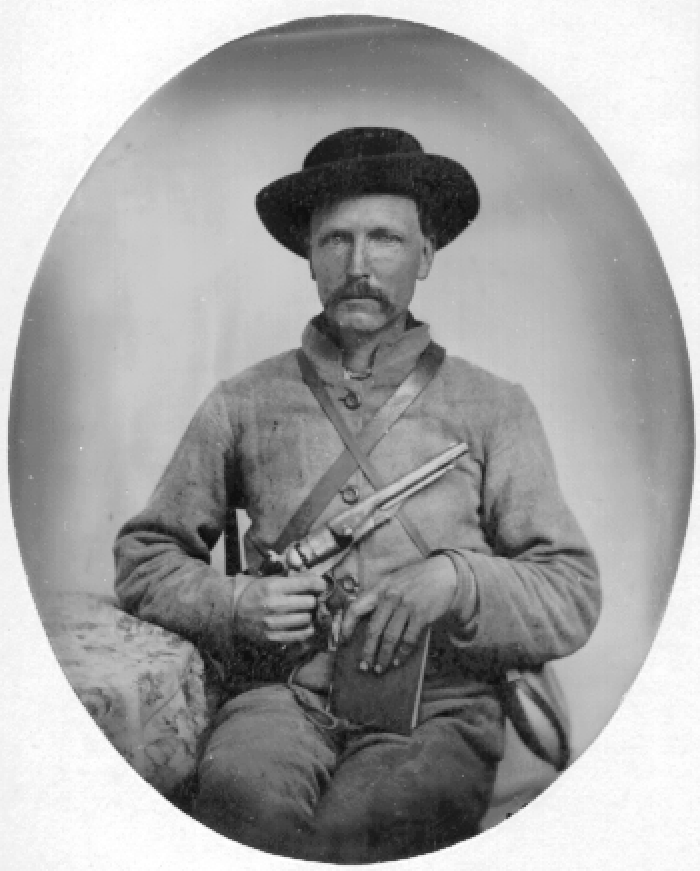
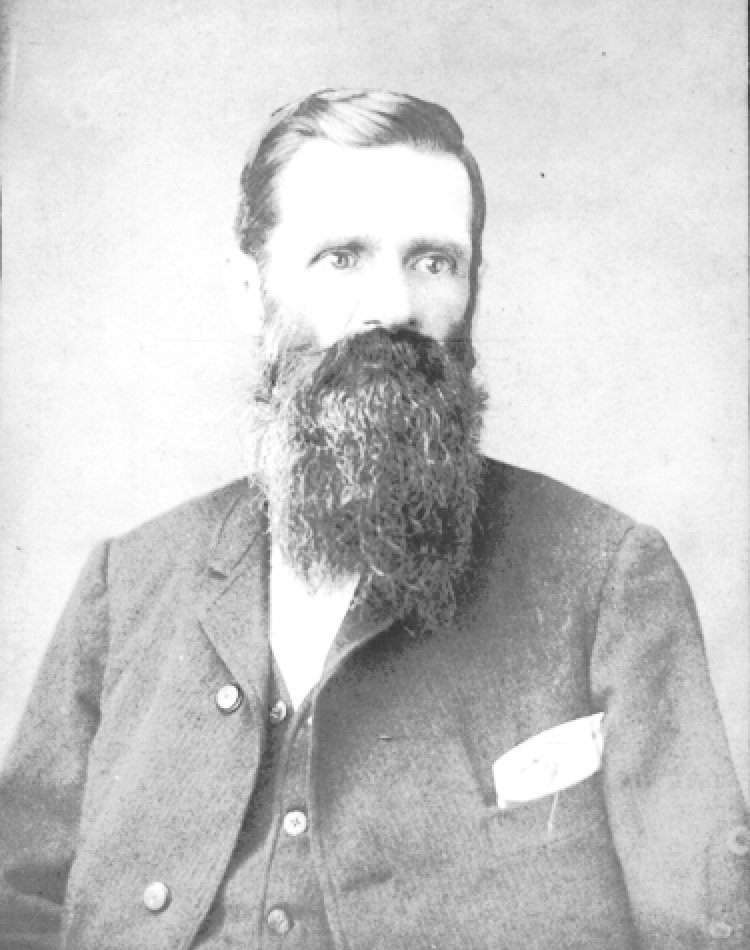
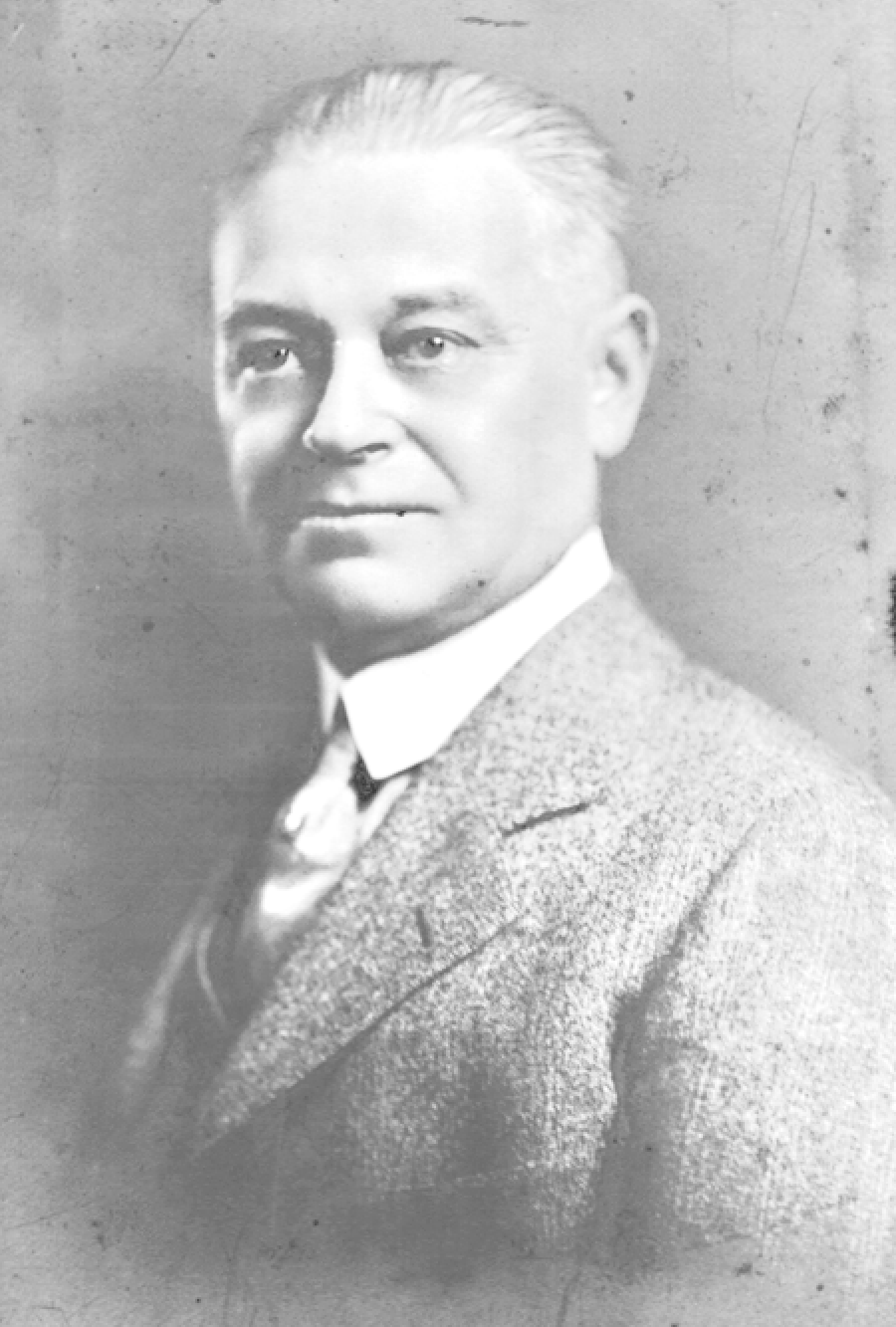
Lanty W. Hickman, Confederate States Army
Welcome to the Hickman family archive — a living record of the descendants of Roger Hickman who settled on Back Creek in Bath County, Virginia. This site brings together five generations of letters, photographs, and stories drawn from a private archive of over 1,700 documents spanning 1833–2022.
Click any highlighted name on the tree to explore their letters, photos, and biography. Scroll down to explore the family map, photo archives, and more.
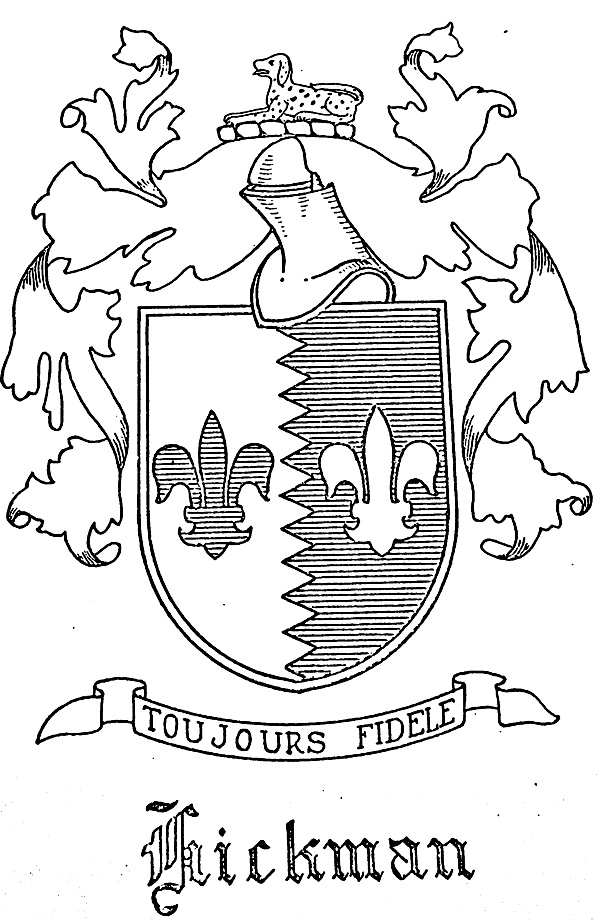
Toujours Fidèle — Always Faithful
This website exists to share the history of the Hickmans of Back Creek in one place so that present and future generations can better understand their origins and where they come from.
The Hickmans of Back Creek were kind enough to capture some bit of their lives and relationships in correspondence, and then carefully shepherd that correspondence through the centuries. Handwritten or typed lines share the thoughts, hopes, and concerns of people whose blood still runs in our veins and whose faces and names we borrow. The rich web of family history gathered here came from the simple act of keeping in touch — one letter at a time, sharing the details, challenges, joys, tragedies, and triumphs of life.
The true mission of this website is to encourage reflection on the works of love this family undertook as their lives and fortunes took them far from home and back again. Their commitment to building family bonds overcame distance, disagreements, and time. This page is intended to encourage the continuation of that tradition — so that future generations can experience the joy of getting to know themselves through connection to their family, past, present, and future.
Not sure what to write? Start with one of these:
How to submit:
Every letter submitted will be added to the family archive for future generations — just like Roger’s and Ruth’s and Bill’s letters did for us.
March 2026
Four Ancestor Generations Added
The family tree now extends back to William Hickman of Somerset County, Maryland (d. 1765) — four generations before Roger. Includes Arthur’s 1773 land purchase and Roger Sr.’s Revolutionary War service.
March 2026
125+ Archive Photos Added
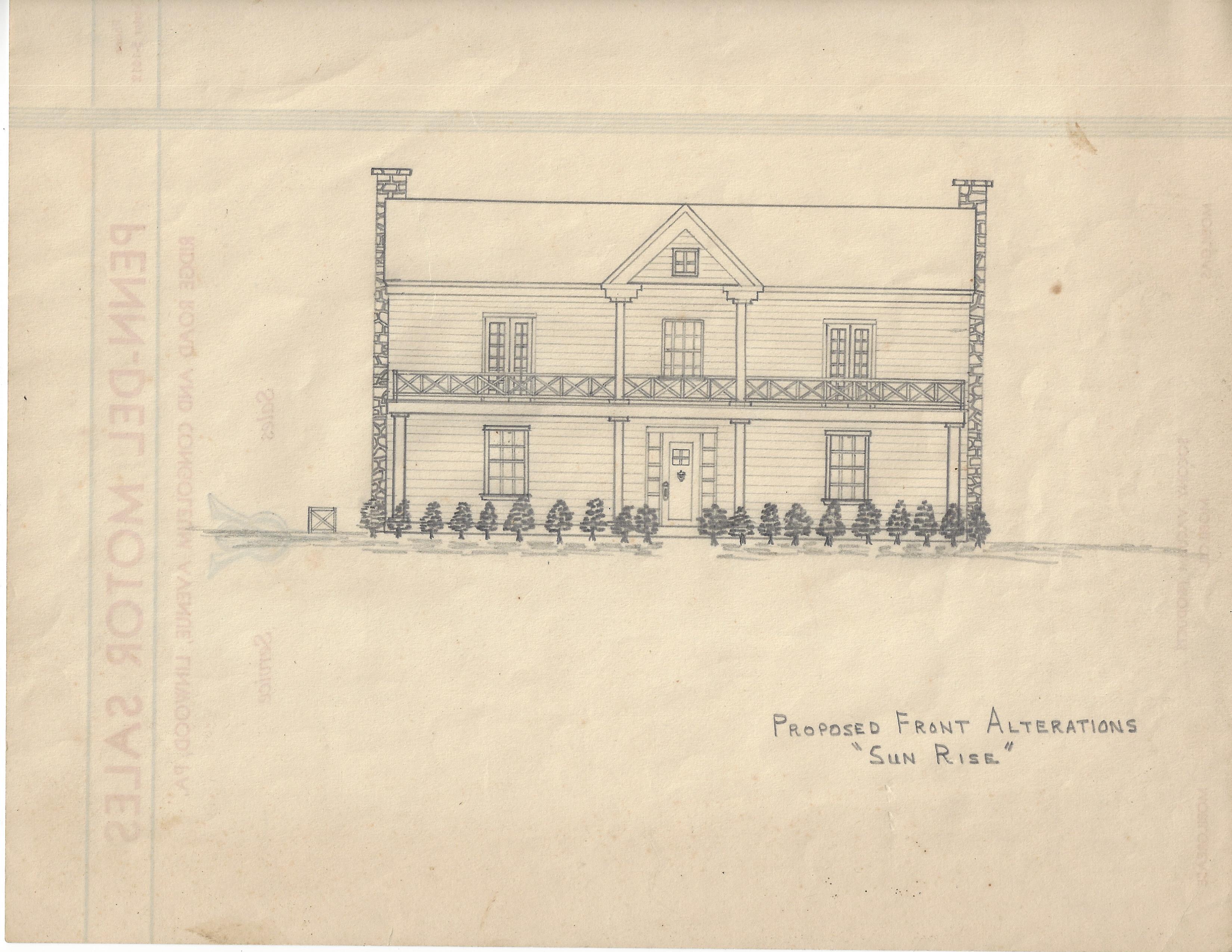
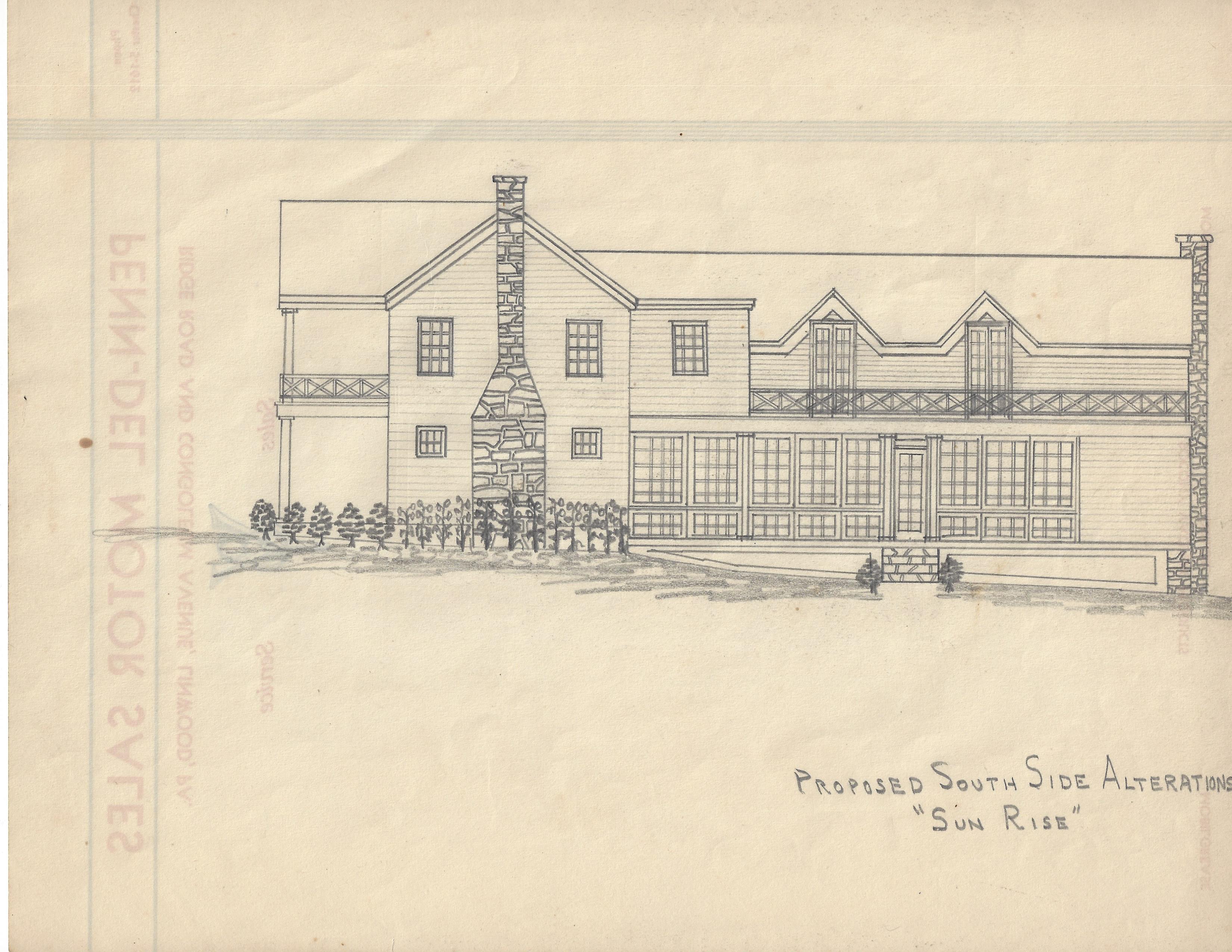
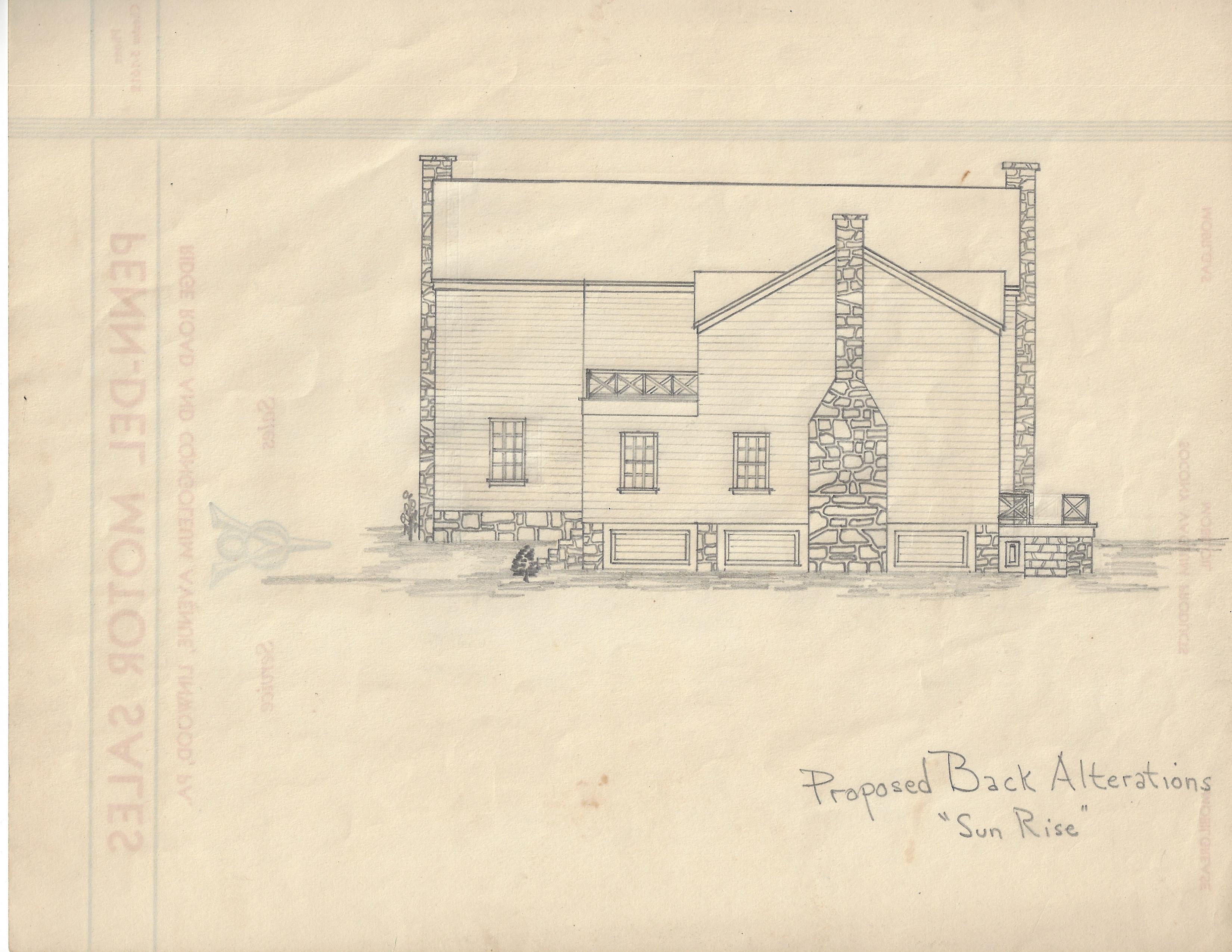
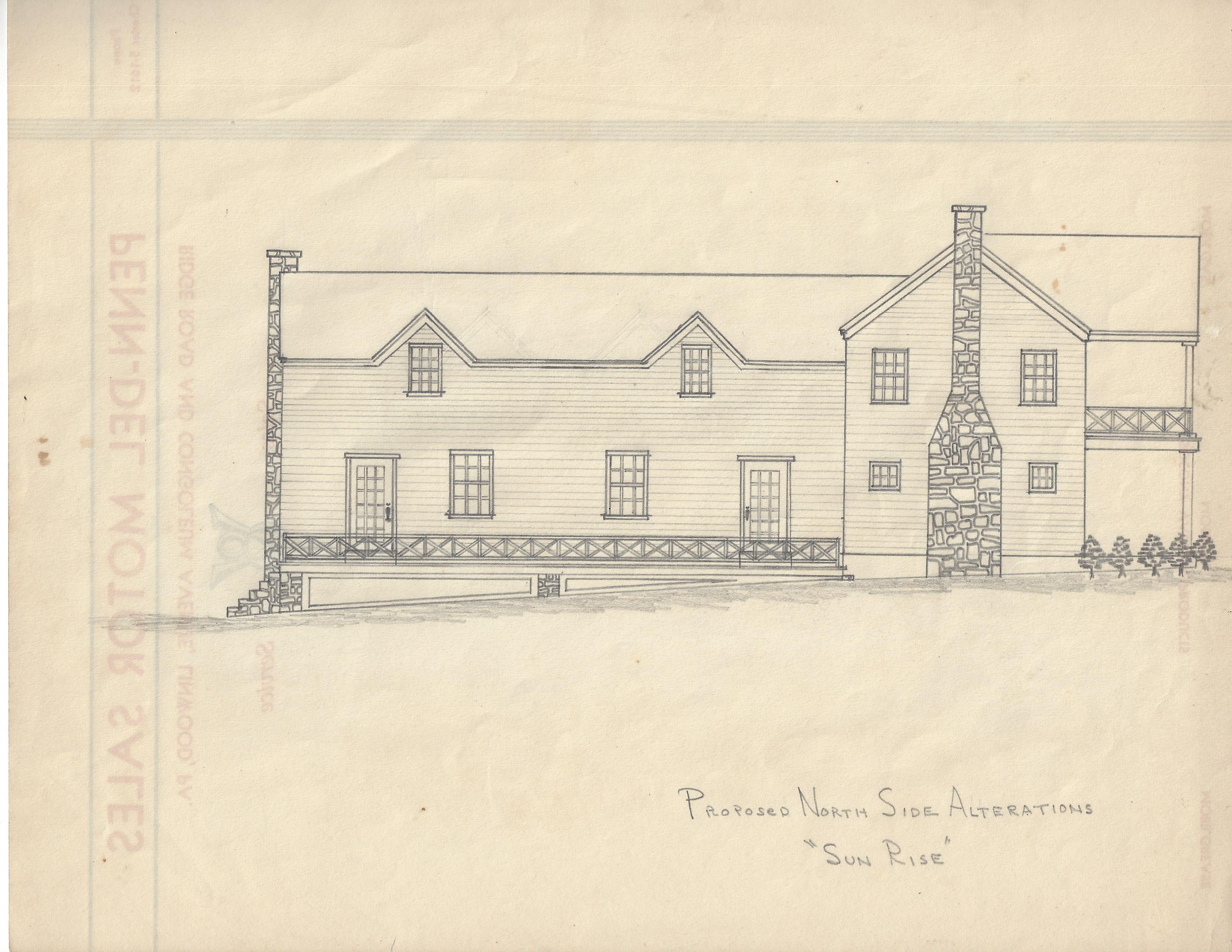
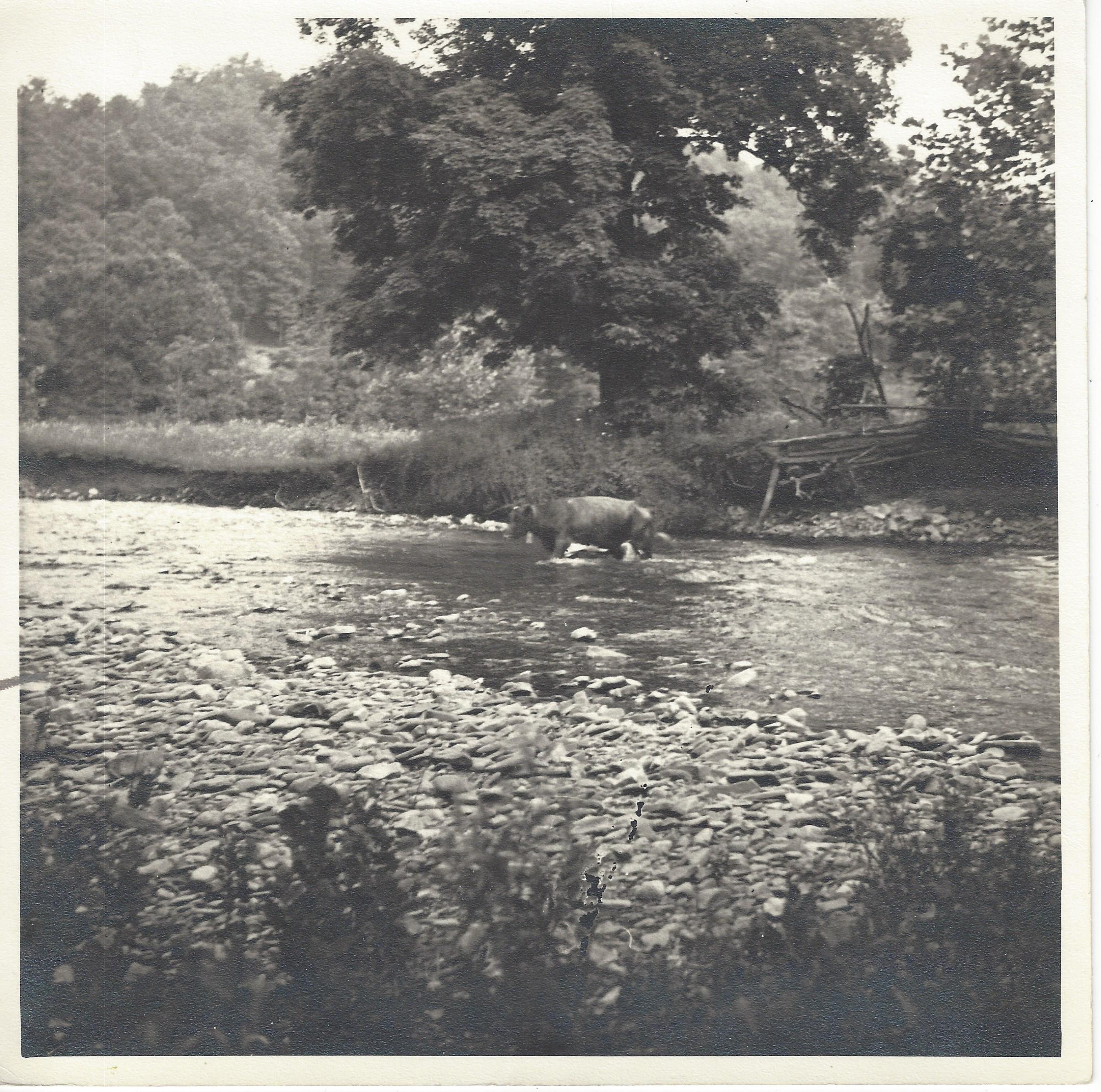
Photo galleries expanded across all family member profiles with images spanning the 1890s through the 2010s — portraits, family gatherings, Sun Rise views, and military service photos.
In Progress
Editorial Draft Under Review
Bill Gabriel’s 33-chapter manuscript “The Hickmans of Back Creek” is being edited for publication. 464,000 words covering ten generations from Maryland to Bath County.
Four generations traced from the Eastern Shore of Maryland to the mountains of Bath County, Virginia
Their Nine Children

Five left Back Creek — only Roger stayed on the home place


“What I thought, last Christmas, would be a fairly simple task has turned into a multi-year project. And that is fine with me, because I am project-oriented.”
— Letter to Hickman cousins, October 1993
“As I observe the clouds moving hand in hand down the blue highway of the sky I often think of the unity there is and must be in life.”
— Letter to Brownie, June 1961
“He was known as a devoted family man — honest, modest, and firm in his convictions. For many years he served Bath County as a justice of the peace and was a ruling elder in the Presbyterian church.”
— Obituary, Recorder, 1937
“Never have I seen a person of ninety years of age who has the keen interest in life and people that mother has.”
— Julian, letter to Roger in Manila, April 1961
“Roger has certainly known how to contribute to life and to receive pleasures from life.”
— Julian, letter to Brownie, June 1961
“My mother would be deeply grieved if she knew the faith she had so tenaciously clung to had been betrayed.”
— Letter to Richmond Home for Ladies, September 1965
“The family’s recognized authority on Hickman history, Clare worked closely with his nephew Bill Gabriel to piece together the story of the family on Back Creek.”
— Family history
“I have two fine boys whom I adore. I have a good position and I get along with everybody. I do miss my family terribly.”
— Letter to Virge, May 1941
“All of us, practically, have lost our closest friends out here. We simply cannot be thankful enough that the end has come.”
— V-Mail from Ie Shima, August 1945
“The second son of Peter and Ollie, Si lived a quiet life in Elkton, Virginia. Unmarried, he remained close to the family and his passing drew the siblings together one last time.”
— Family historyTraditional Appalachian & old-time music from the hills of Virginia
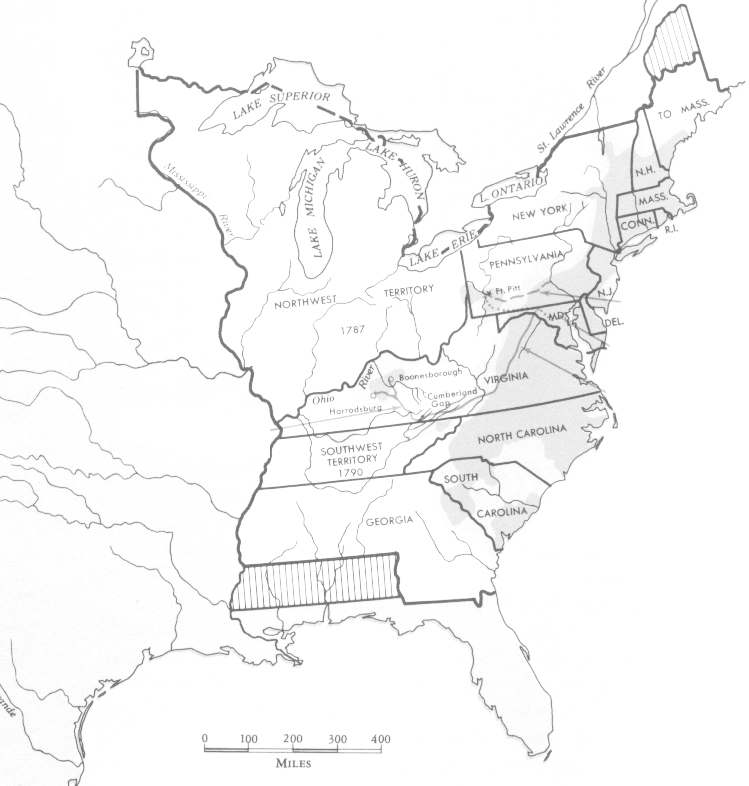
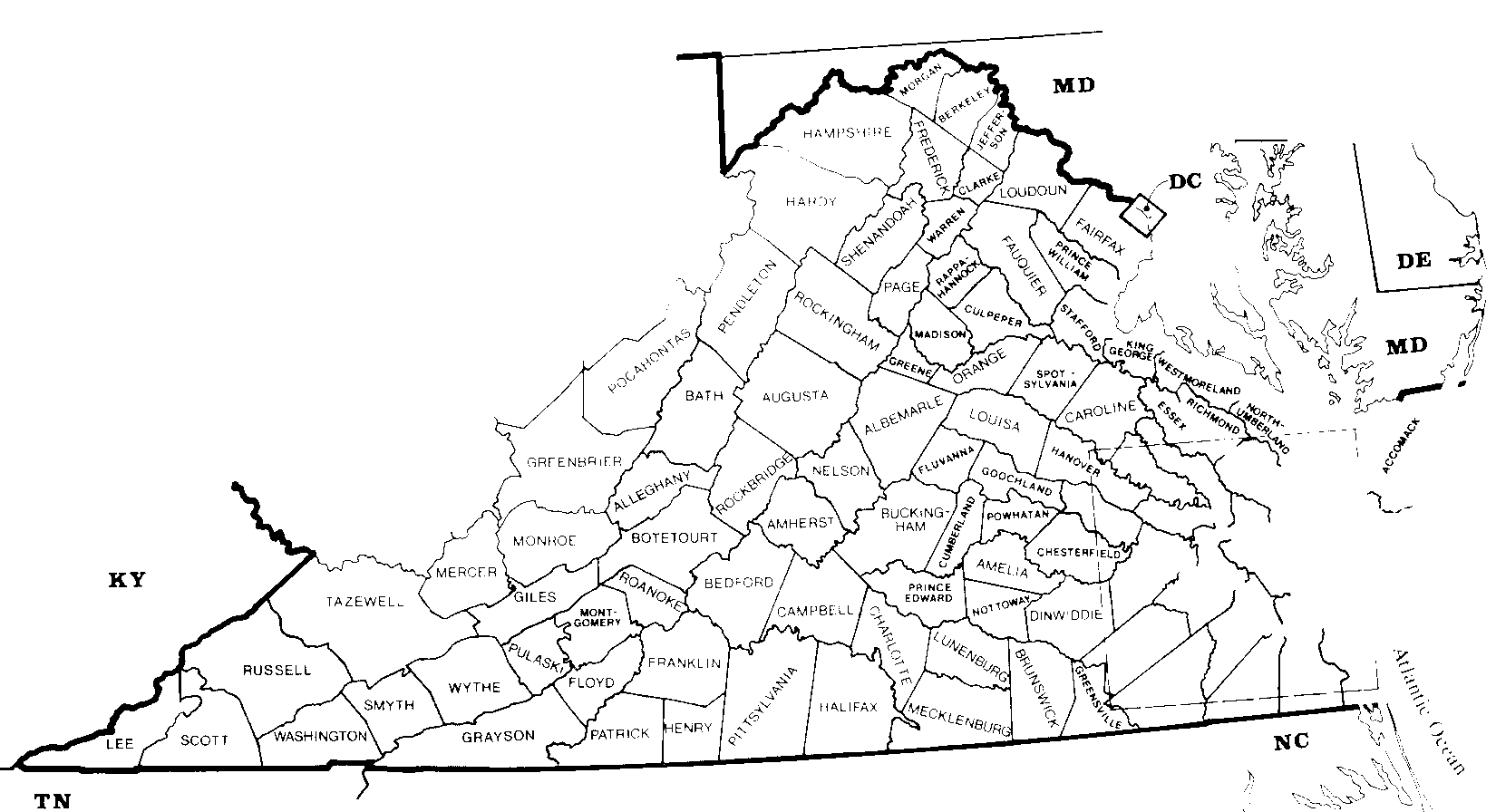
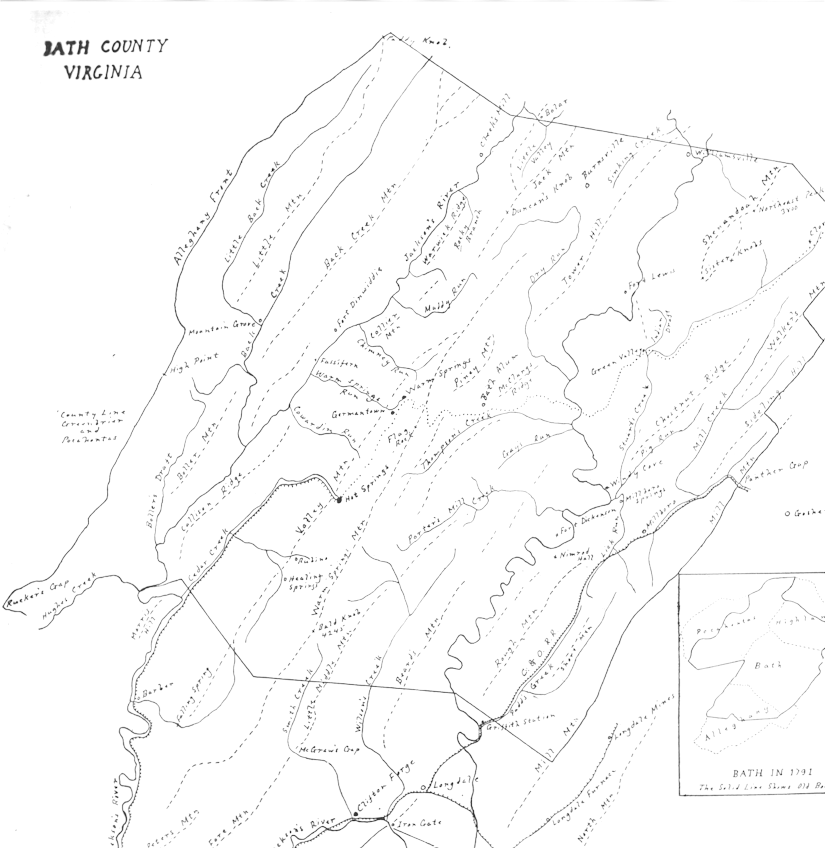
Key places in Hickman family history. Click a pin for details.
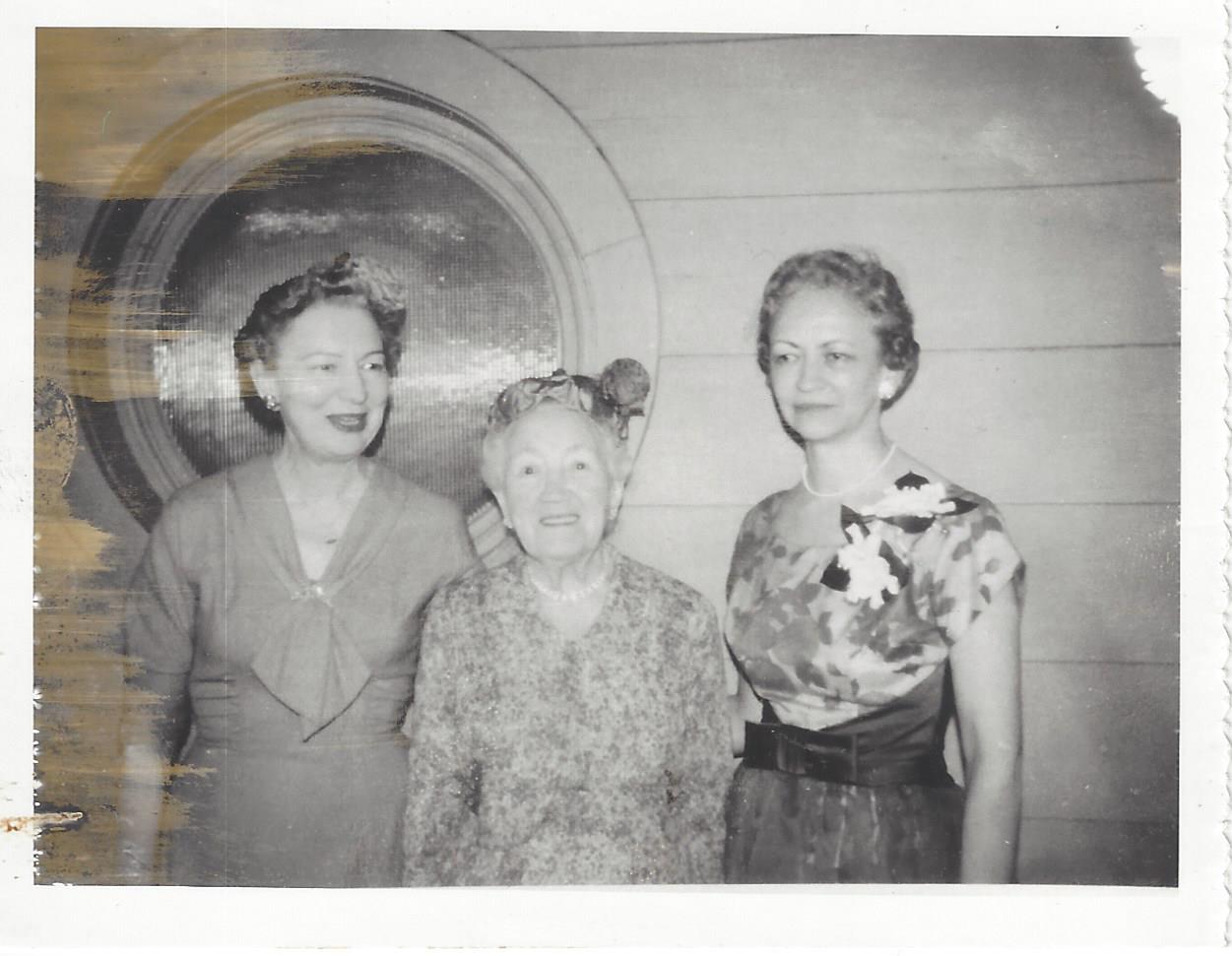
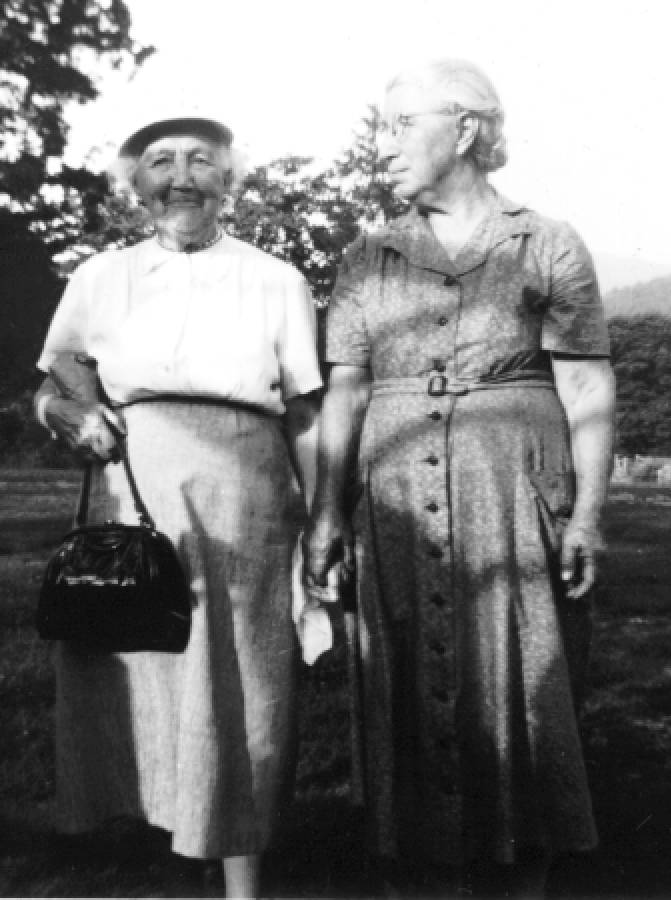
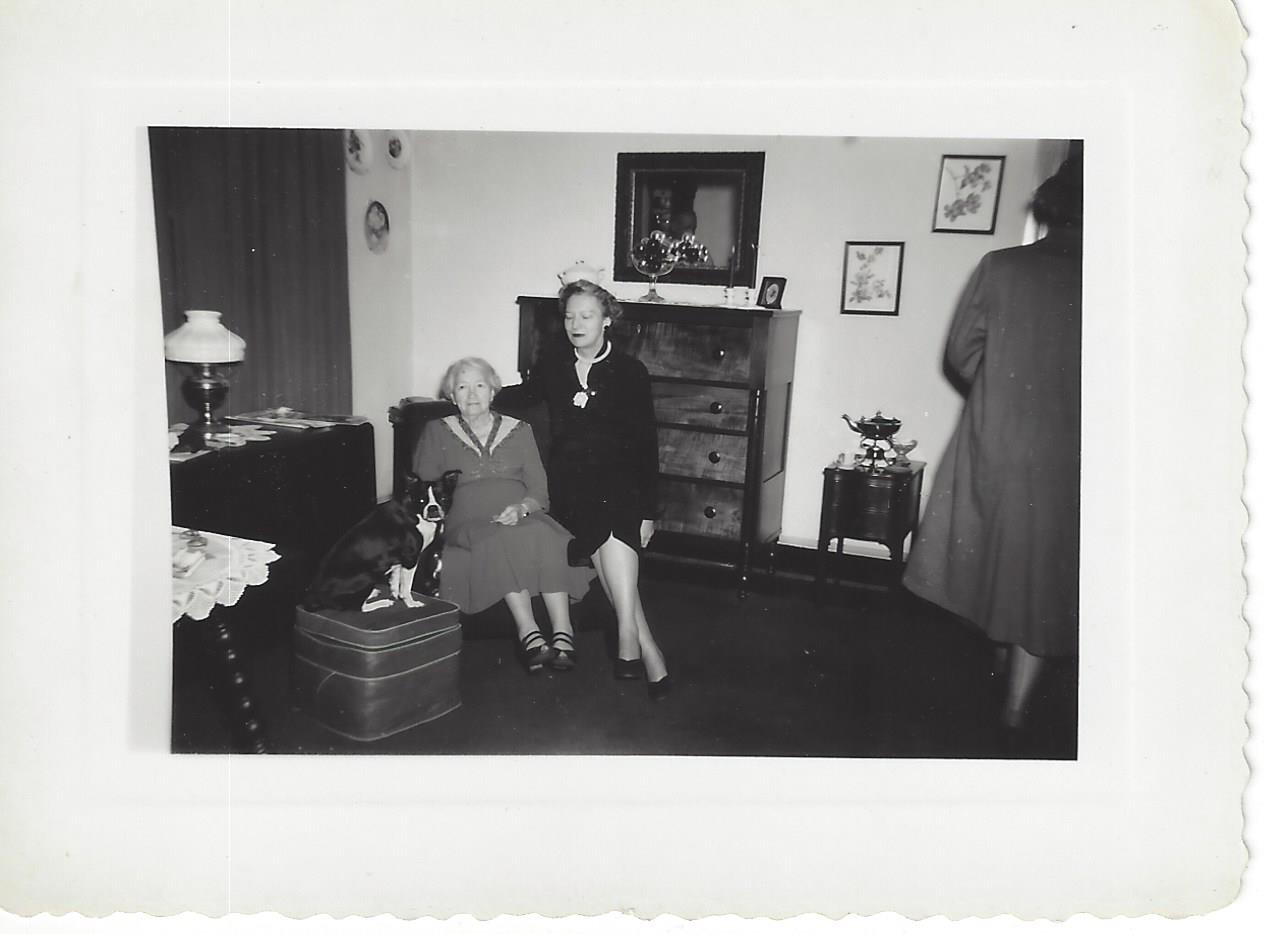
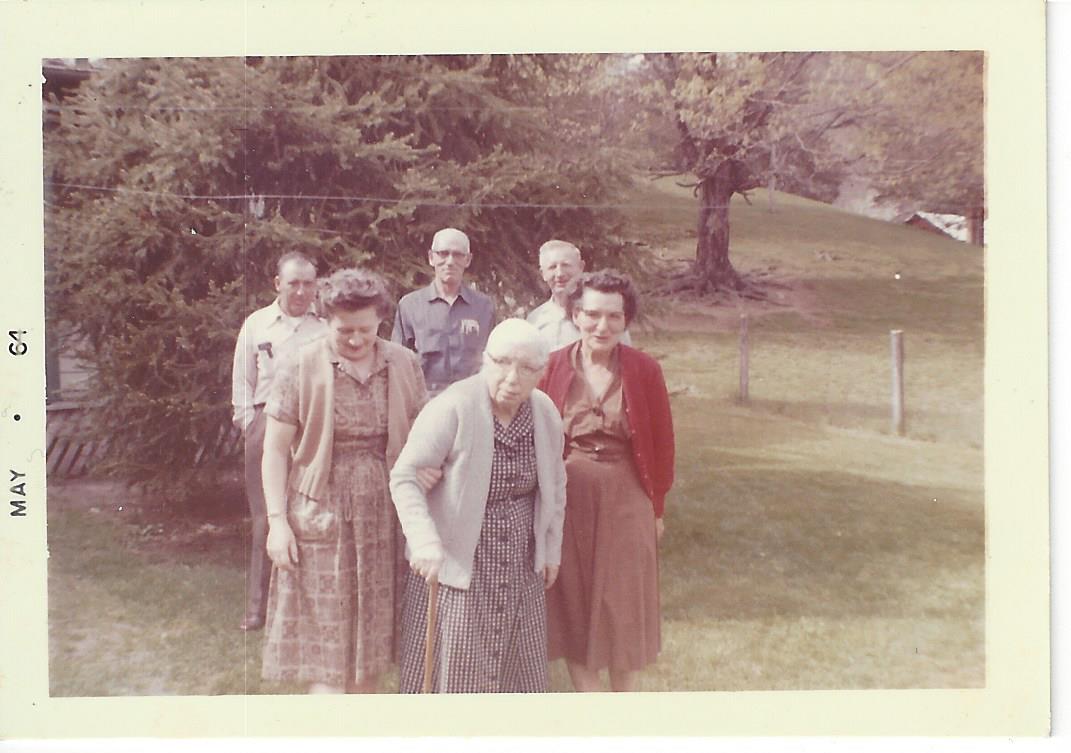
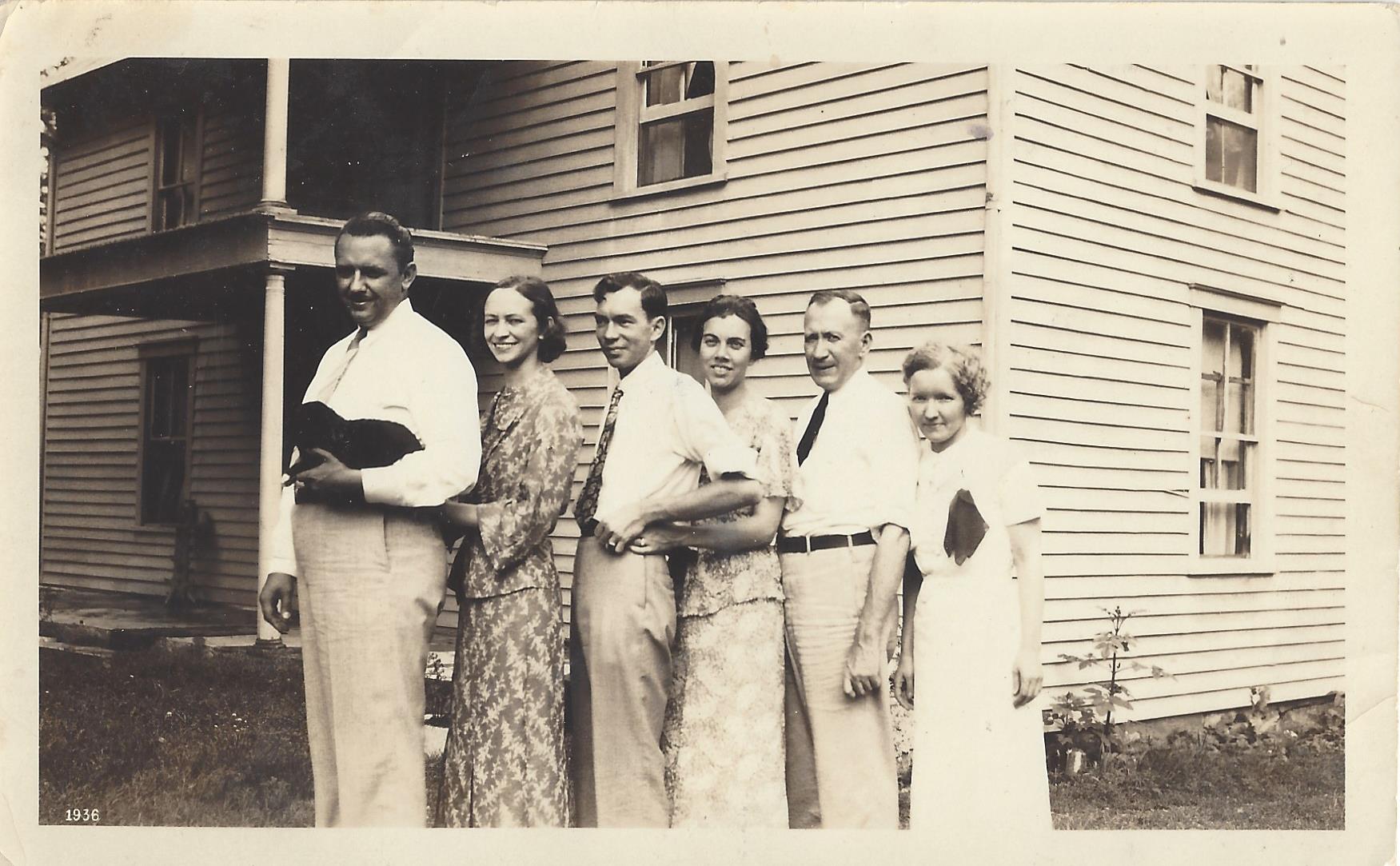
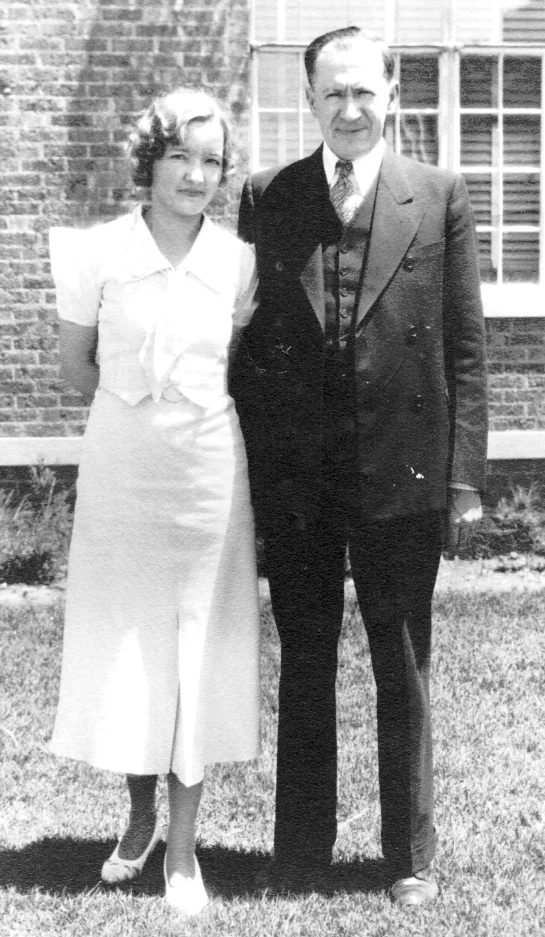
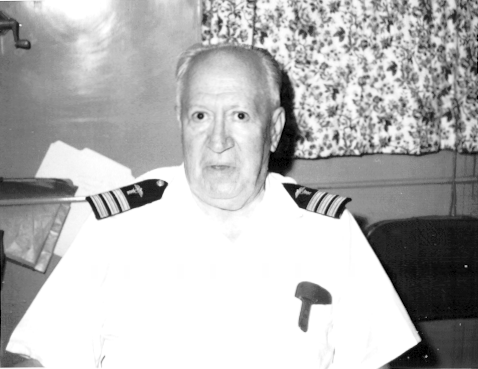
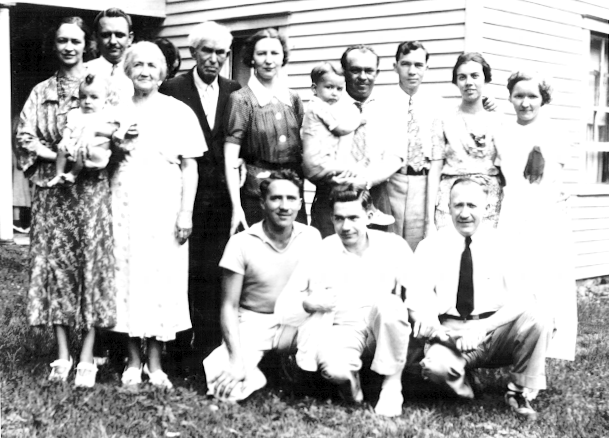
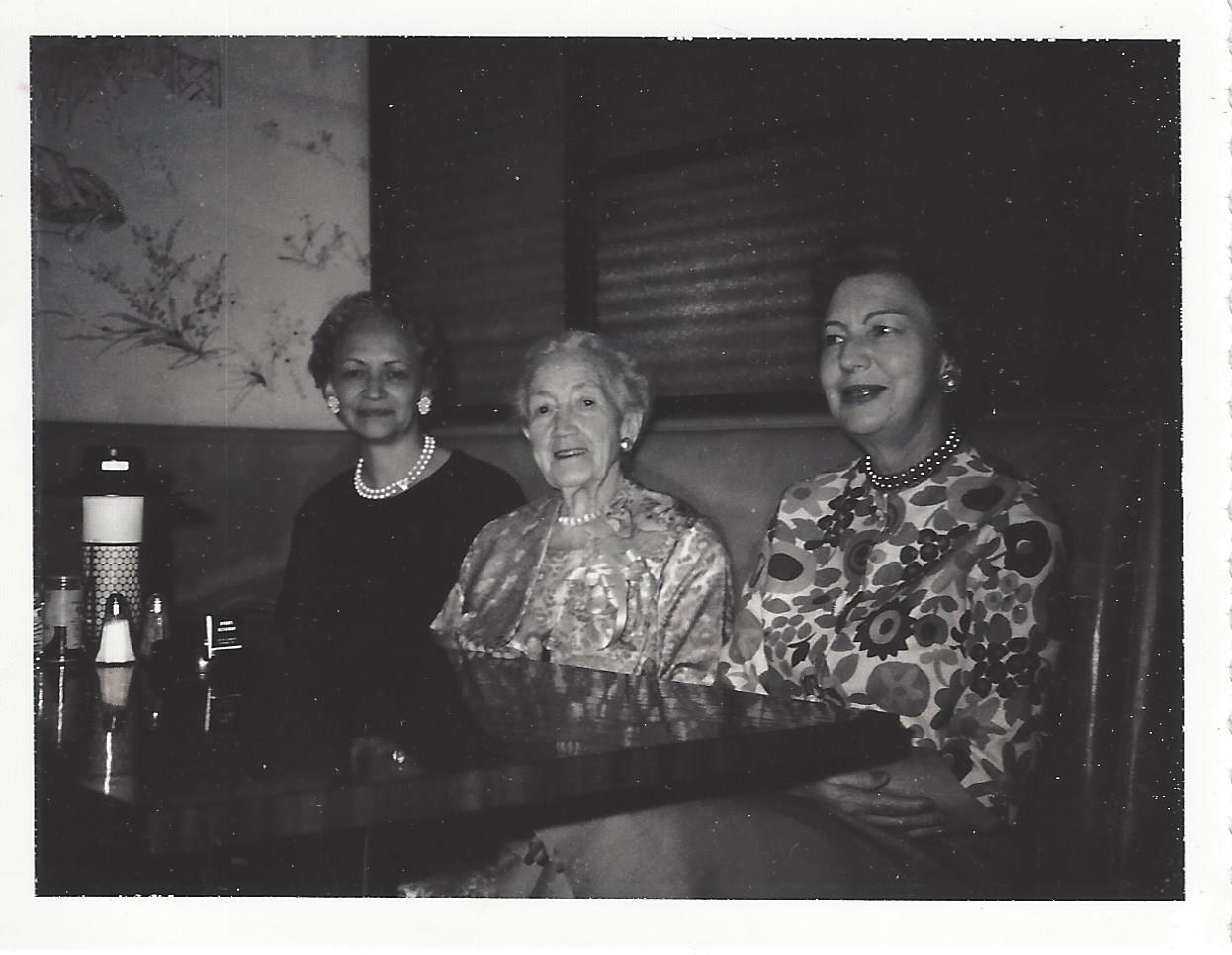
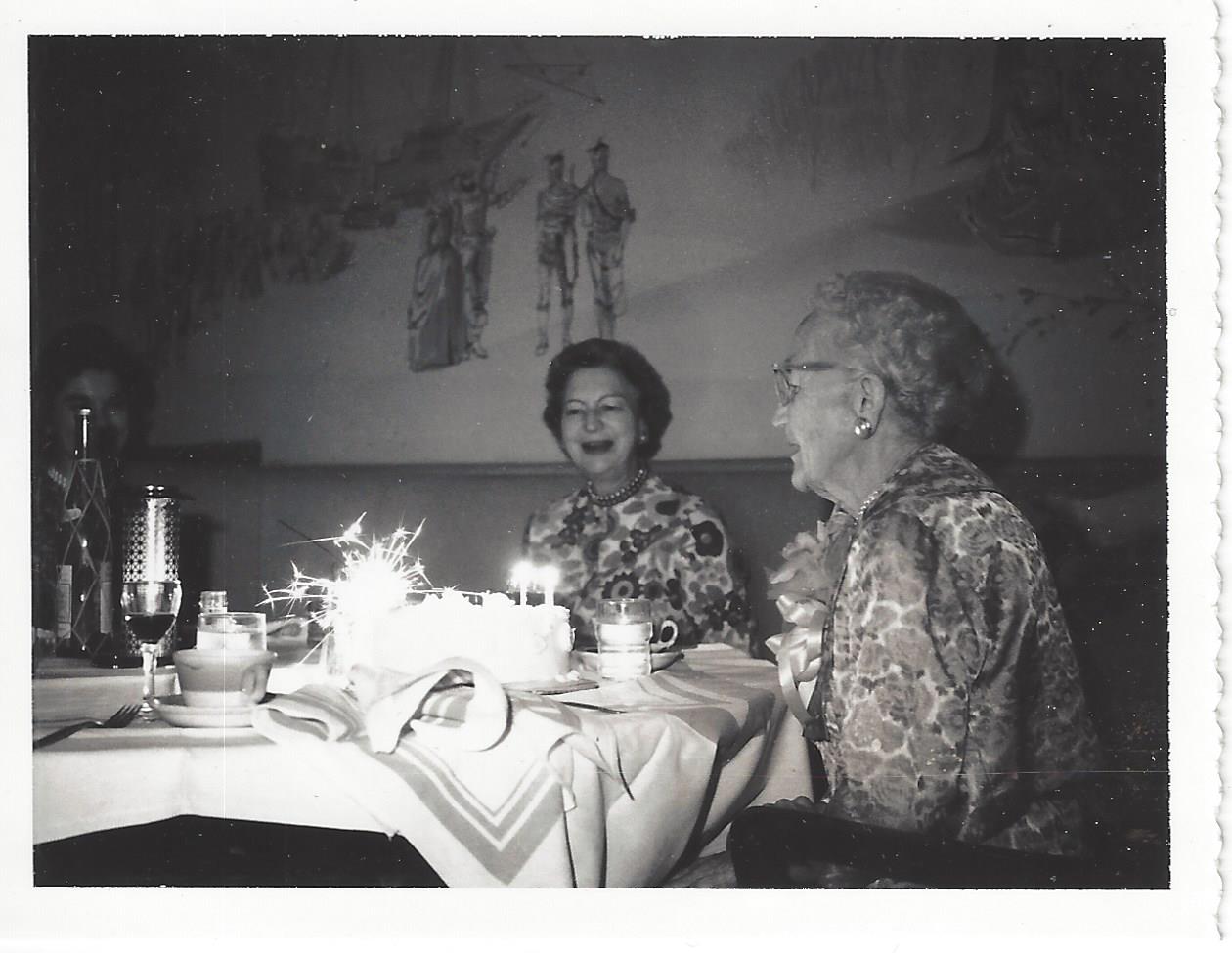
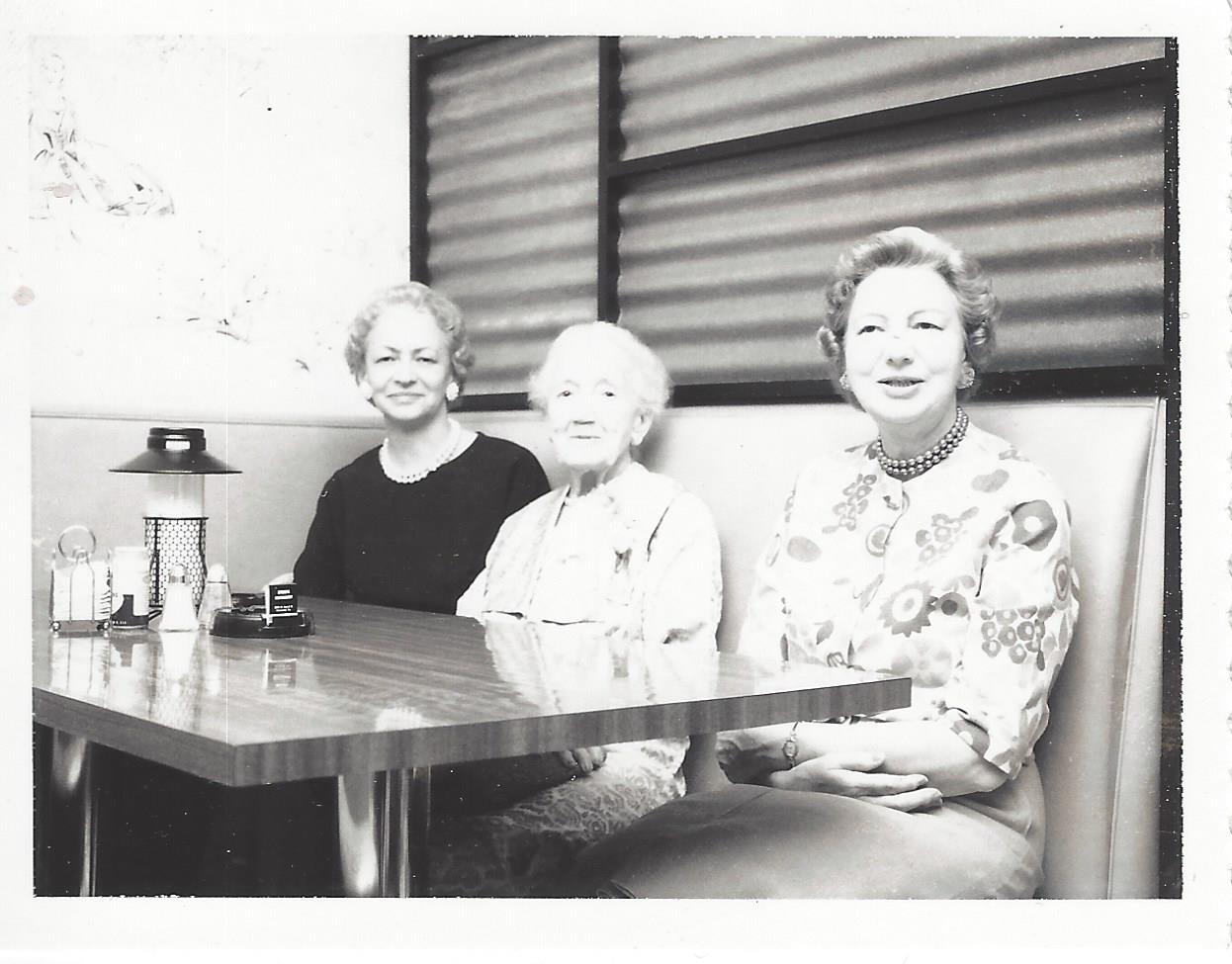
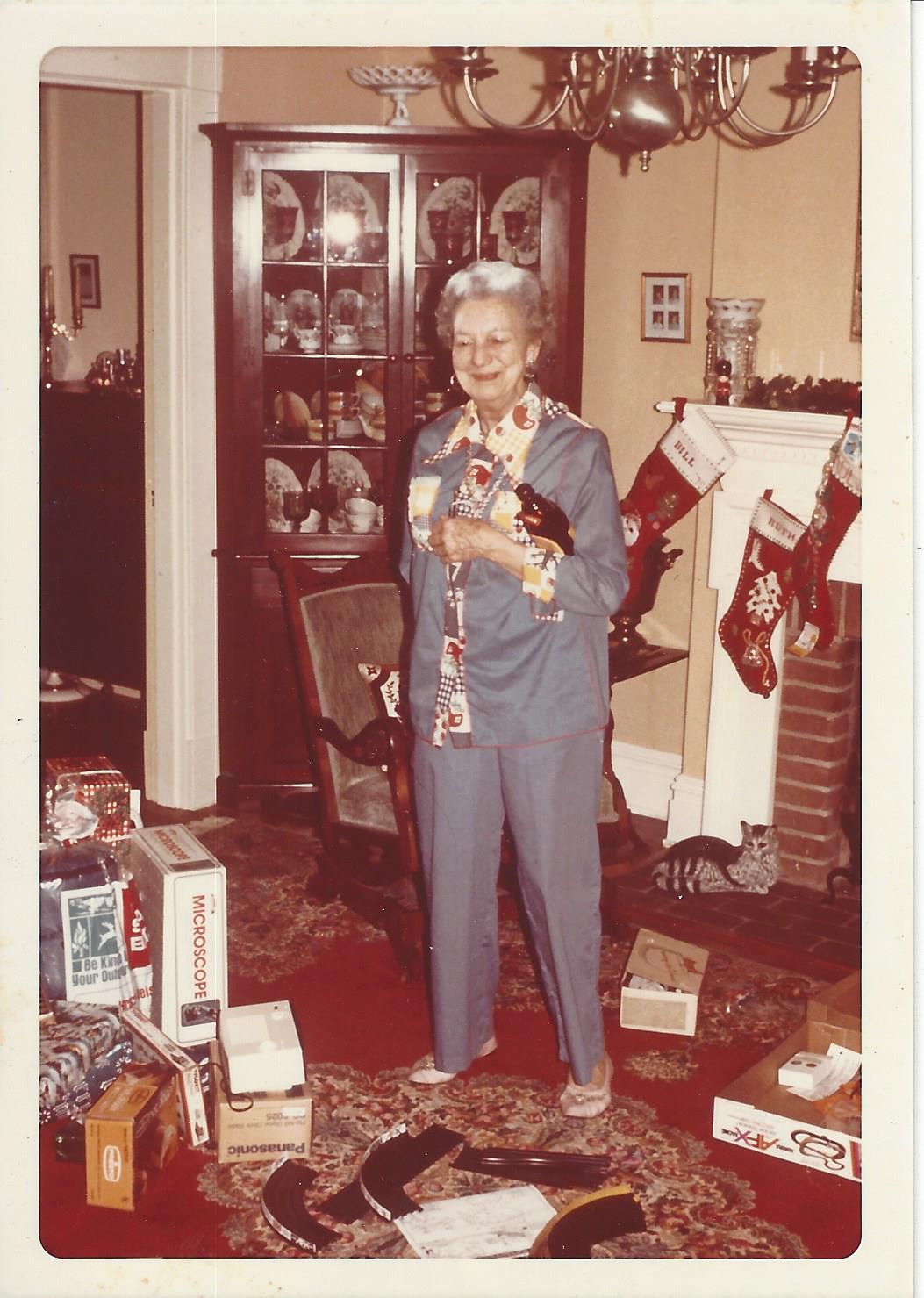
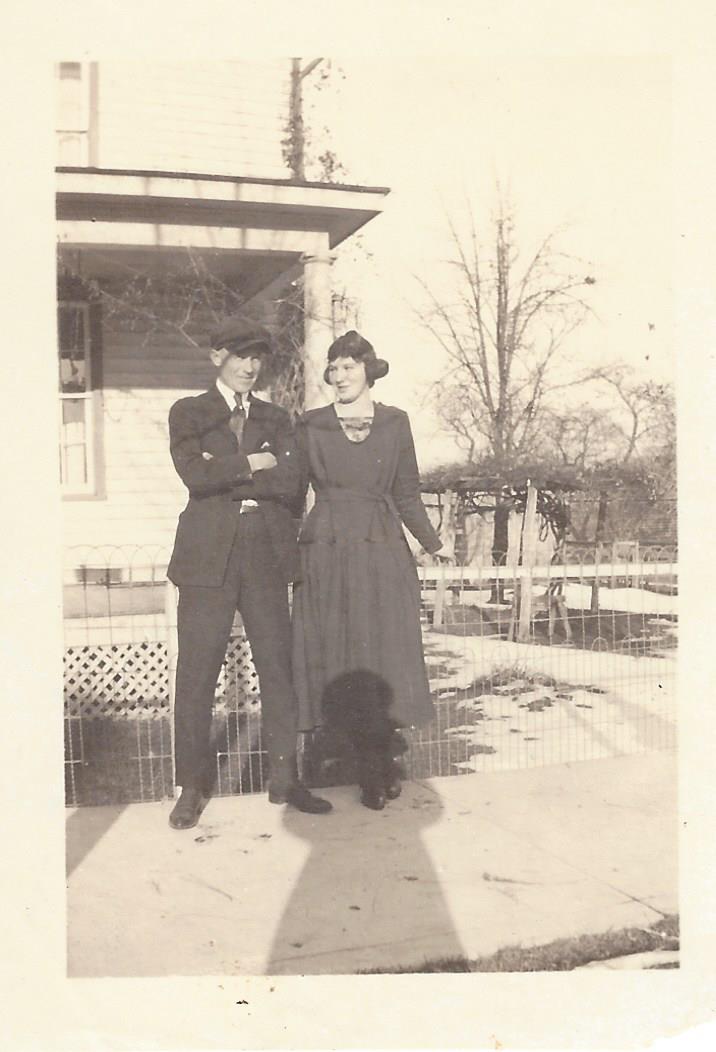
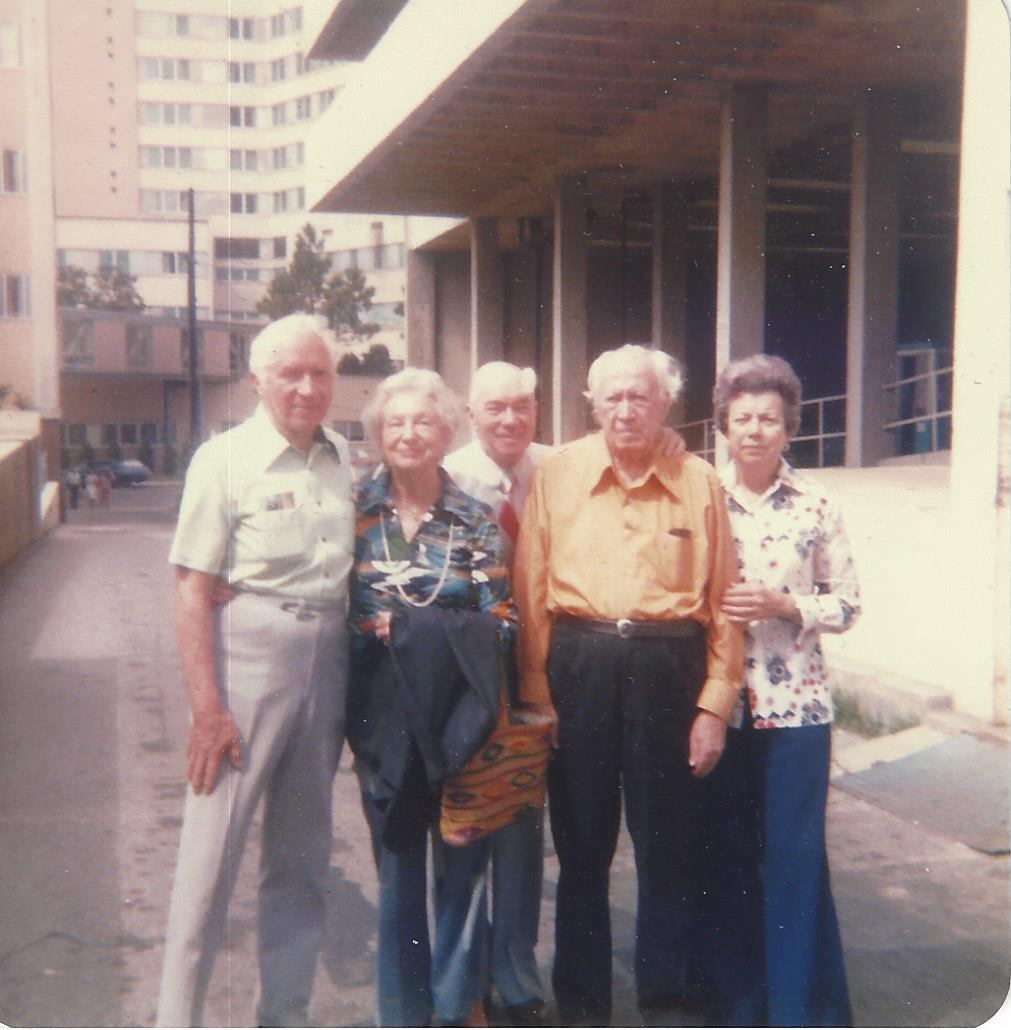
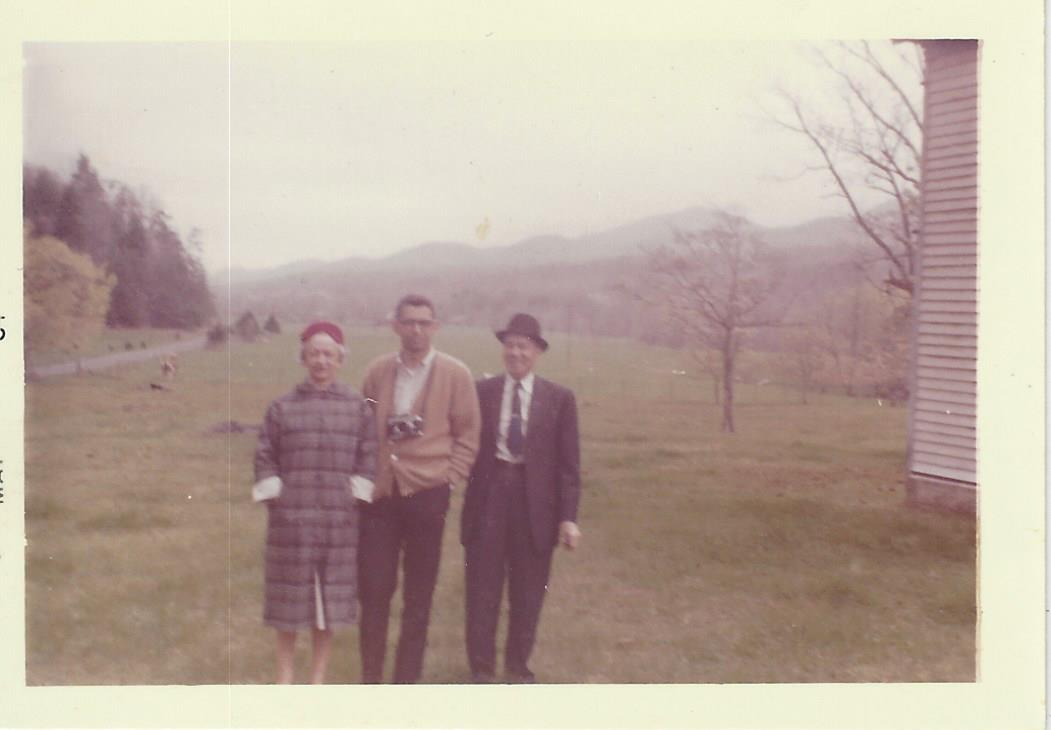
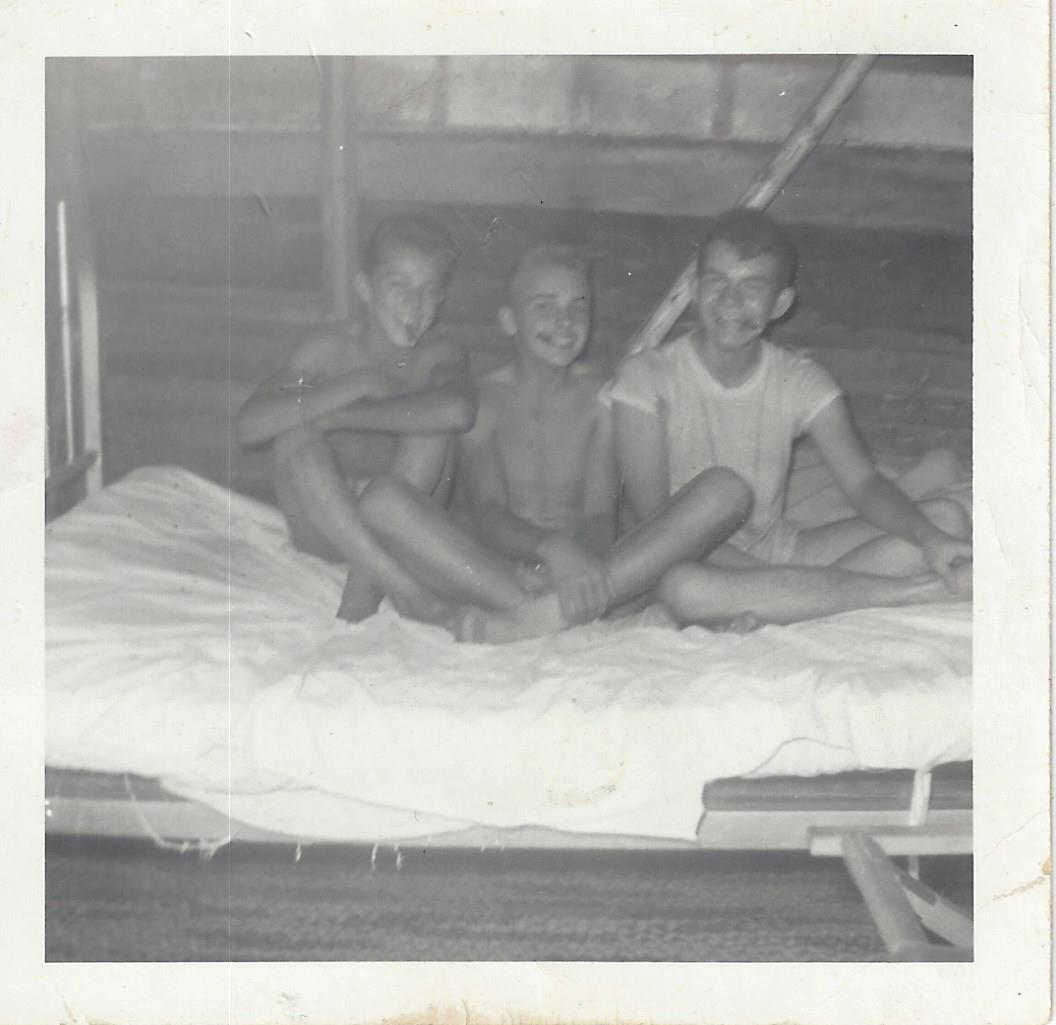
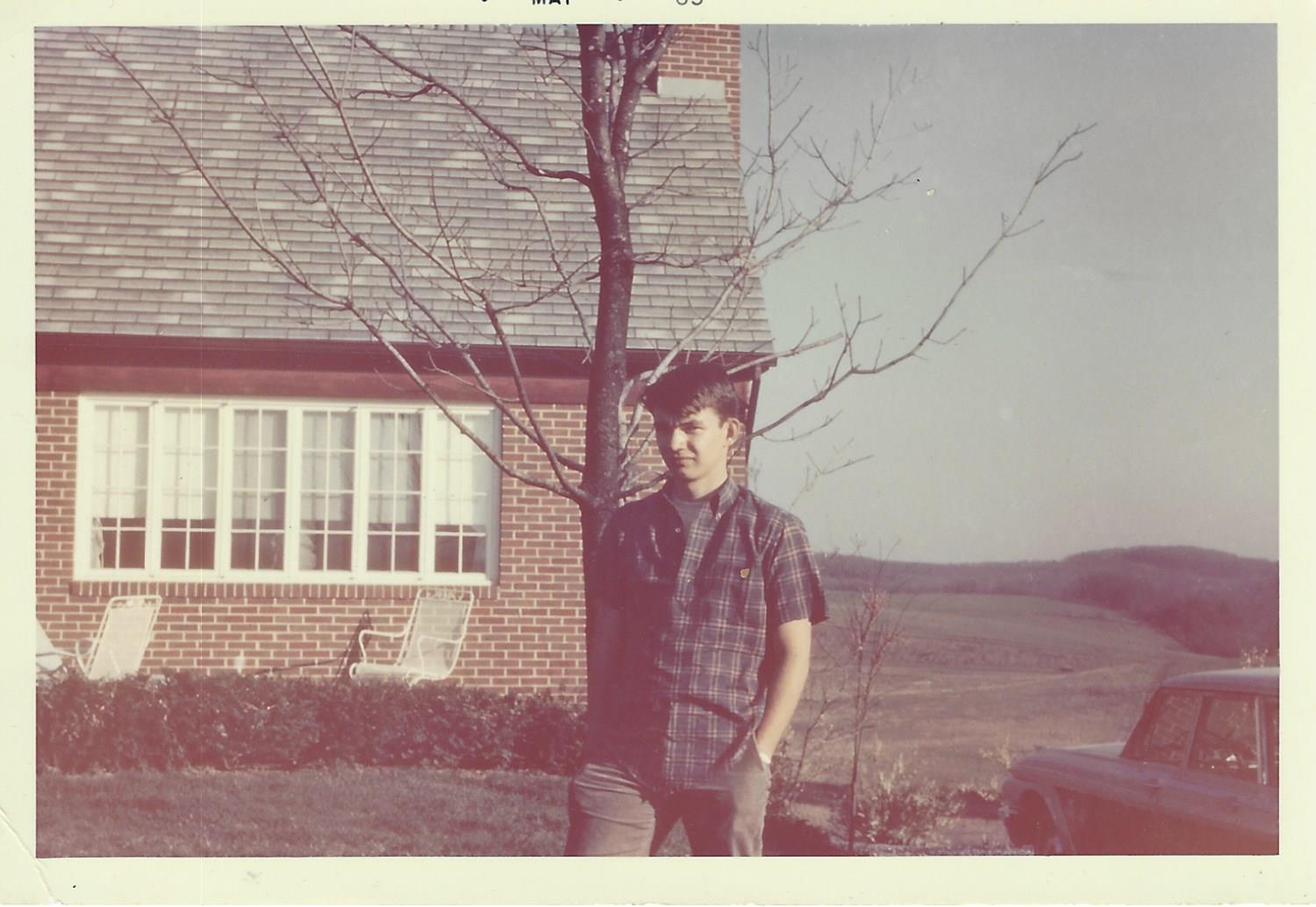
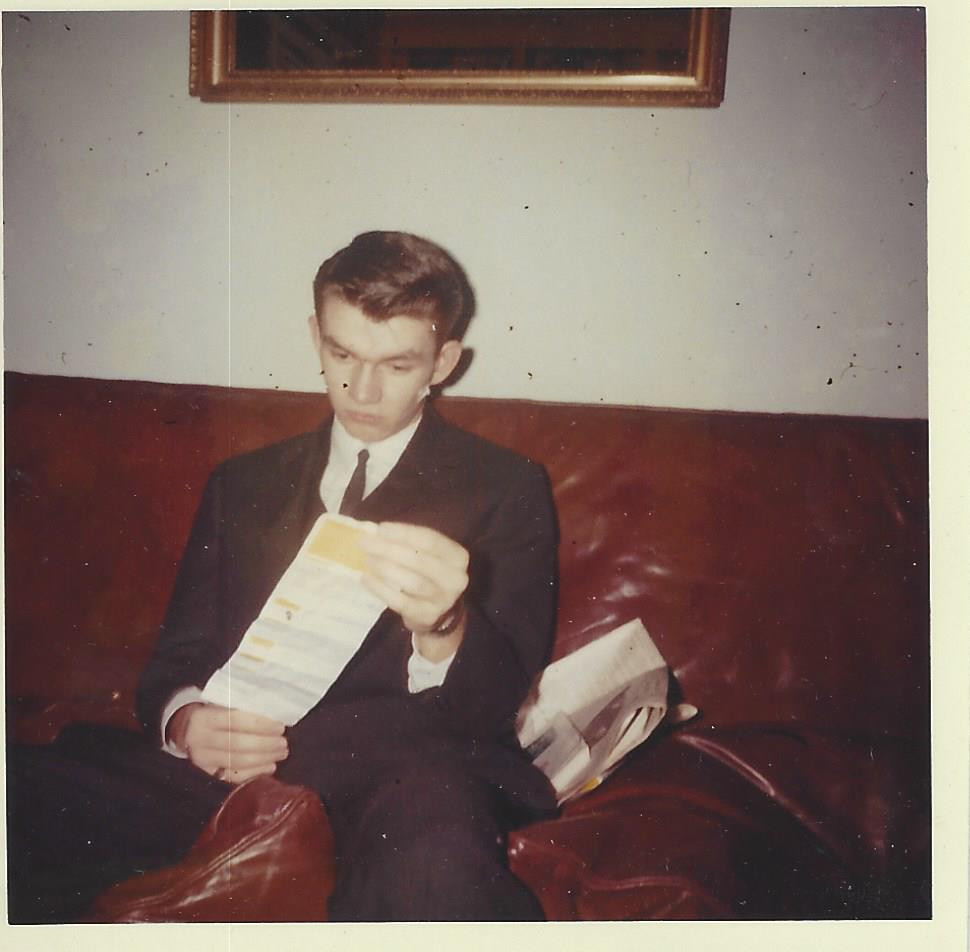
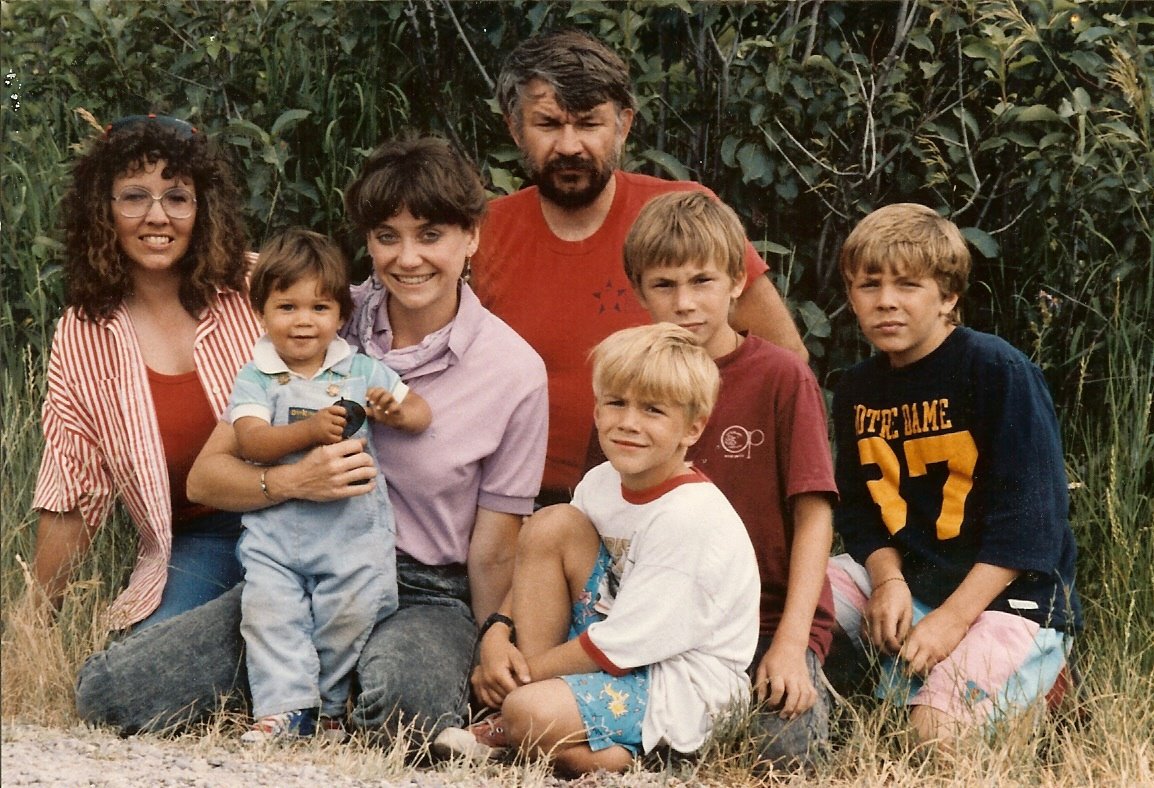
These photos were found in the Hickman family archive but we don’t know who they are. If you recognize anyone, please use the form below to let us know!
Select which photo(s) you can identify and tell us who you think they are.
Do you have family photos, letters, documents, or memories not already included here? Do you see something that needs correcting? We want to hear from you. Upload photos or documents directly, or just tell us what you know.
This site is a living project — here’s where we are and where we’re headed.
Family materials are held in the following collections. Researchers and family members can contact these institutions for access to additional documents beyond what is presented on this site.
H. William Gabriel Papers — including correspondence, photographs, manuscripts, published articles, and materials related to forest and wildlife conservation across six continents.
View Finding Aid →1,729 indexed items spanning 1833–2022: handwritten letters, legal documents, genealogical records, photographs, a 450-page memoir, and the “Hickmans of Back Creek” manuscript. Held by Peter L. Hickman II.
Contact the family →Records related to the Hickman family of Back Creek, Bath County, Virginia — including land records, court documents, and local histories dating to the 18th century.
Share family milestones, updates, and memories. Births, graduations, weddings, reunions — if it’s Hickman news, we want to hear it. Sign in with GitHub to post directly, or use the form below.

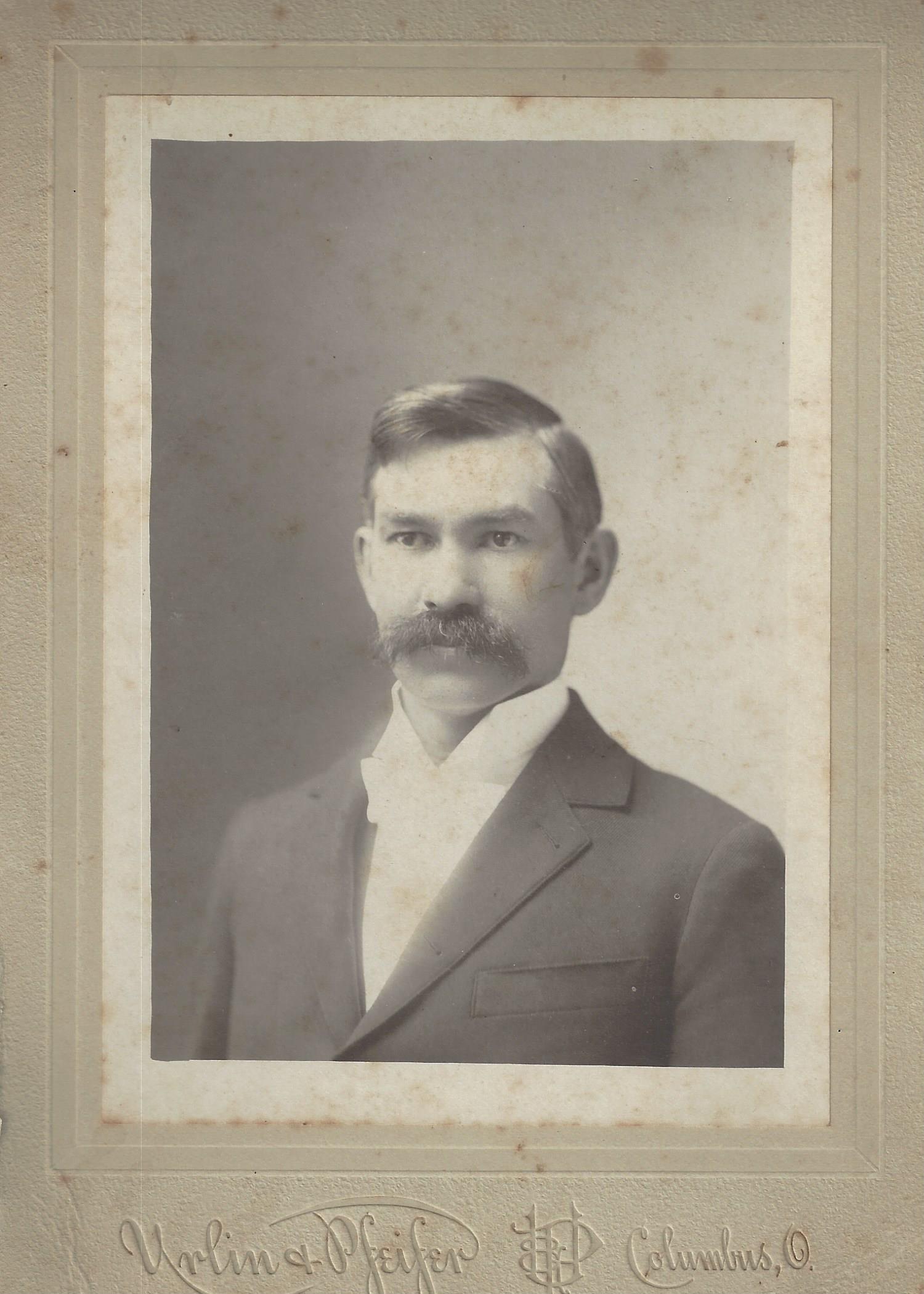
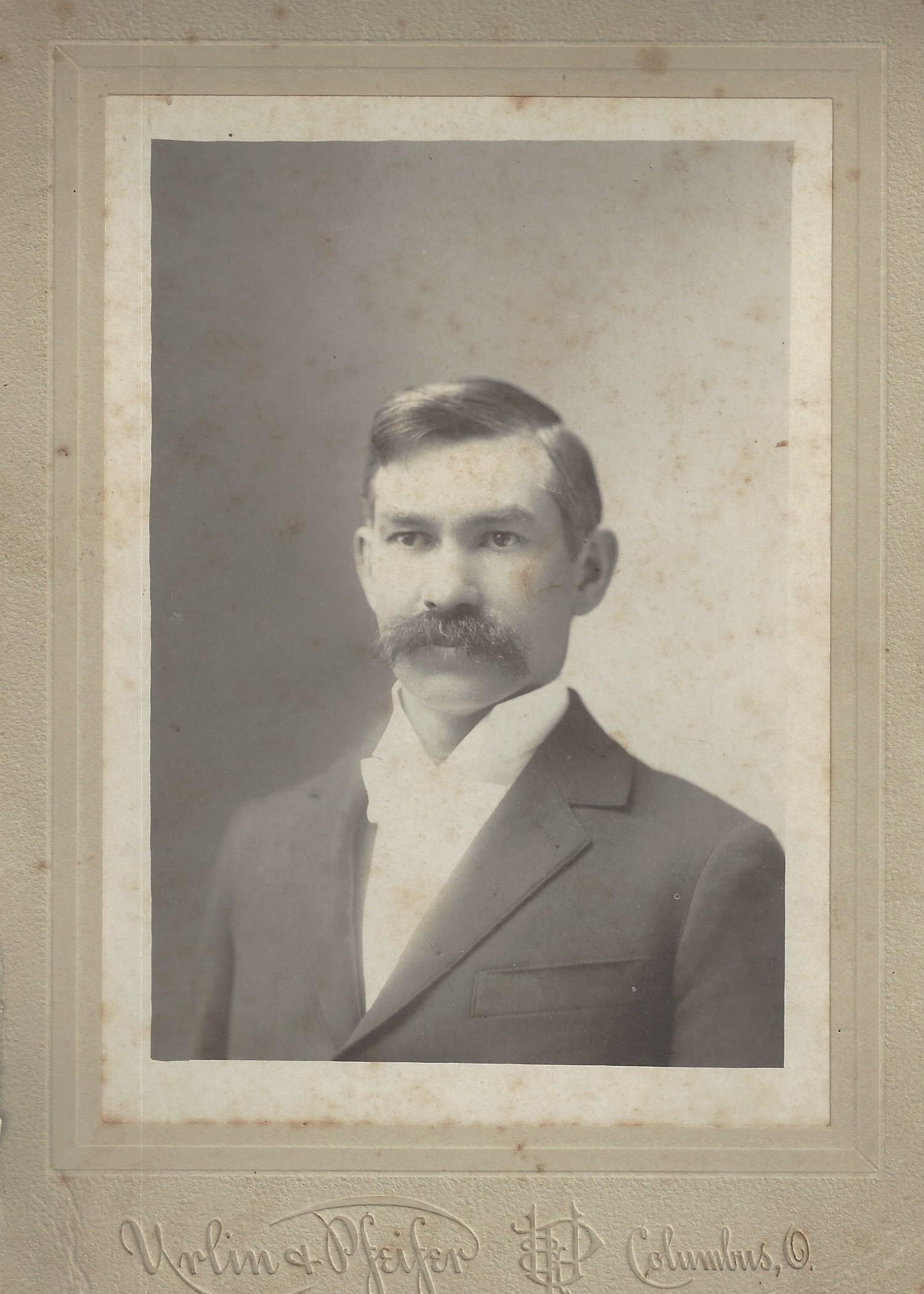
Peter Lightner Hickman was the youngest son of Roger and Margaret Campbell Hickman, born at Mountain Grove in the highlands of Virginia. He was educated at Roller’s school, now the Augusta Military Academy at Fort Defiance. For many years he served Bath County as a justice of the peace and was a ruling elder in the Presbyterian church.
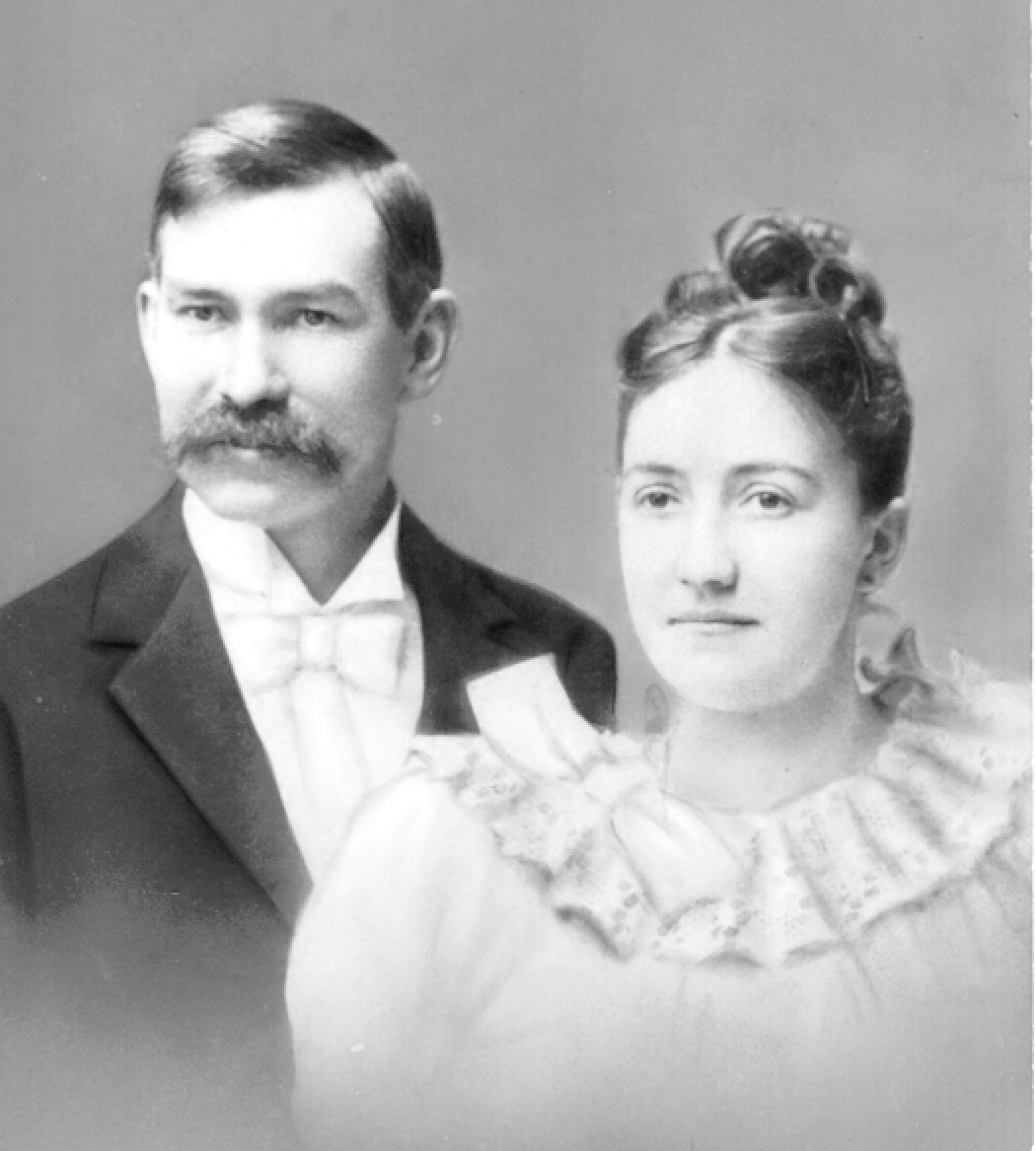
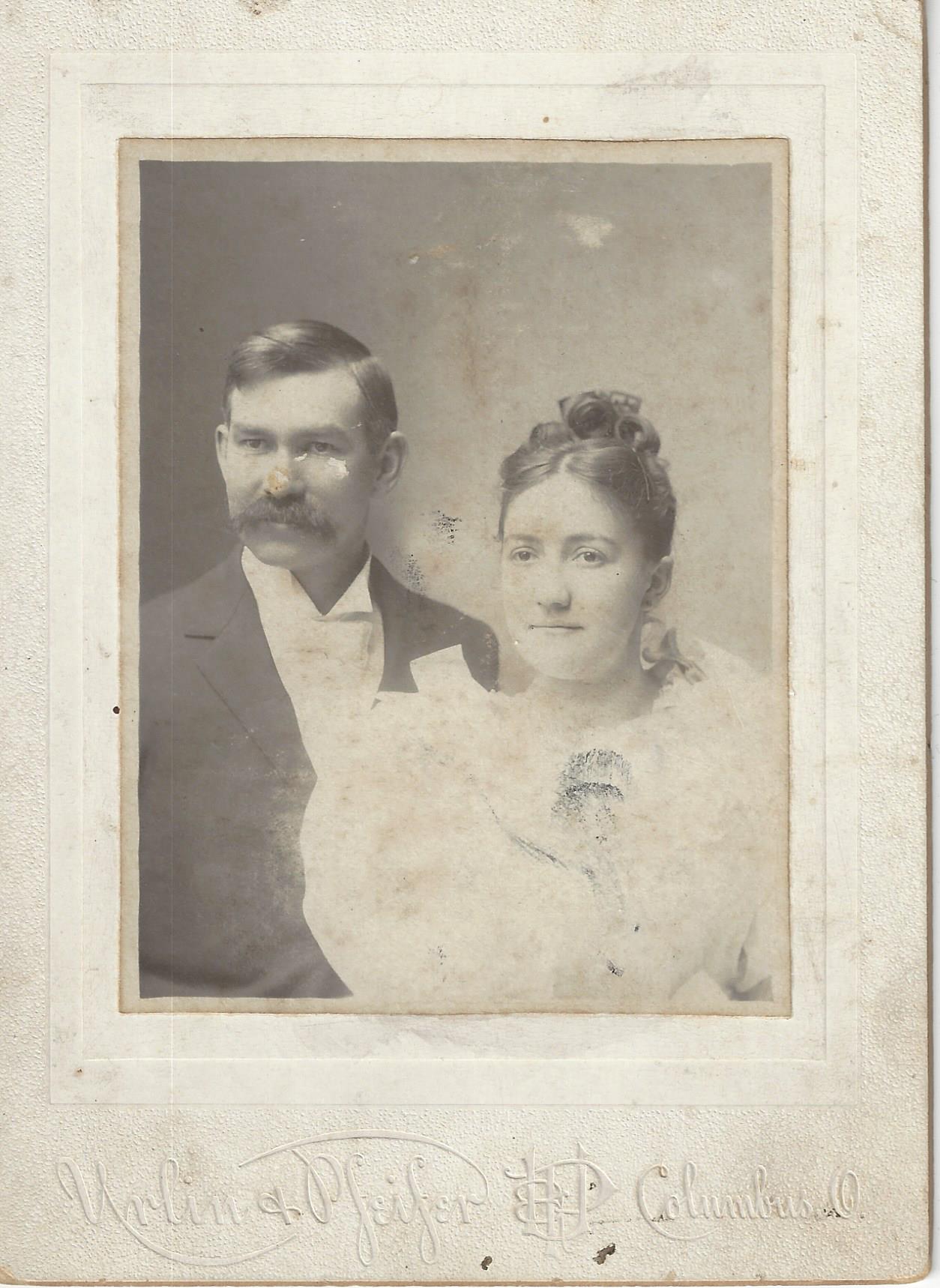
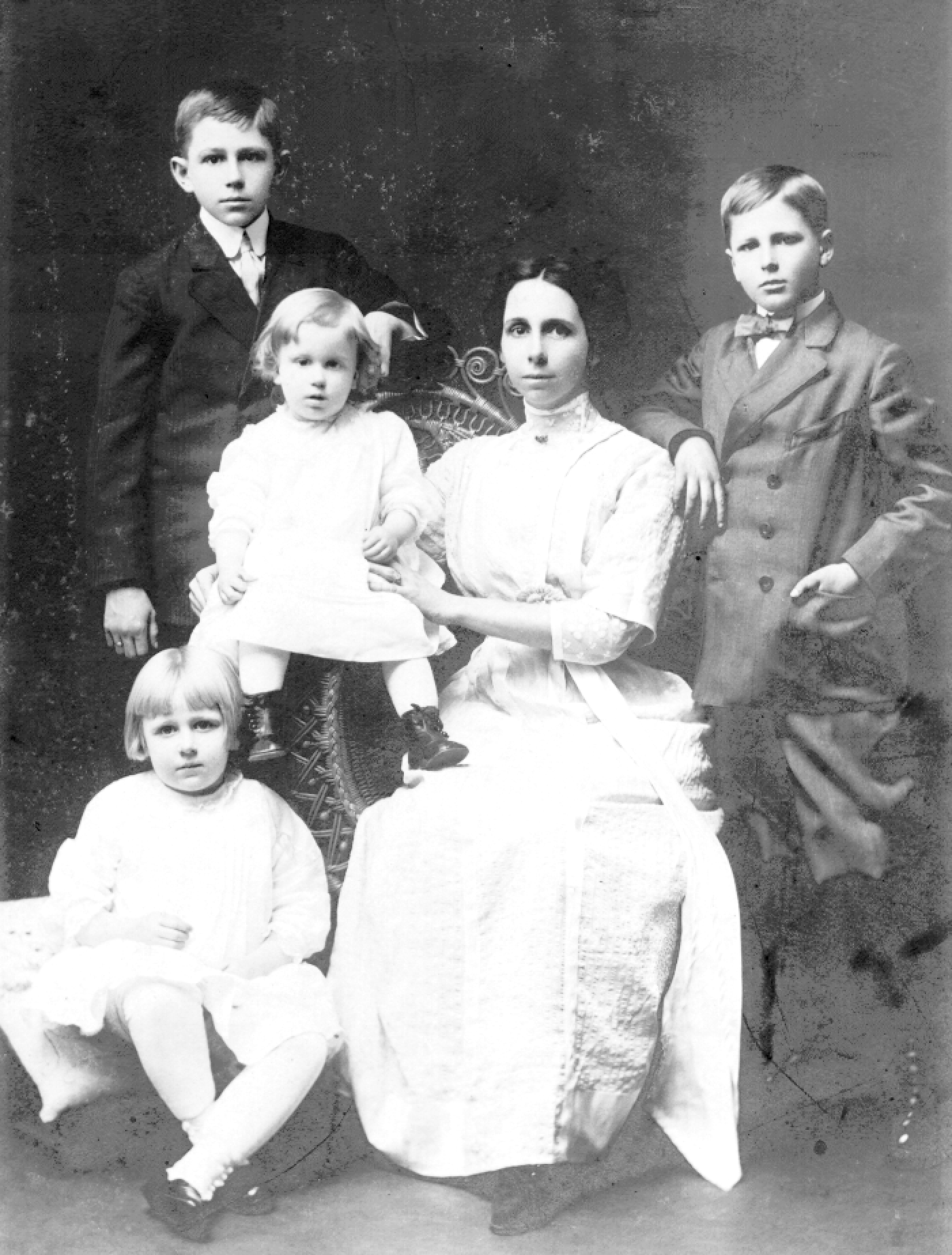
In 1895 he married Ollie Gertrude Lockridge of Columbus, Ohio, where they lived for two years before returning to Virginia and establishing their home at “Sunrise” on Back Creek, near the Highland-Bath county line. There they raised seven children: Roger, Forrest, Virginia, Clare, Ruth, Julian, and Harry. Peter was known as a devoted family man—honest, modest, and firm in his convictions. He died at the Community House in Hot Springs on April 20, 1937.

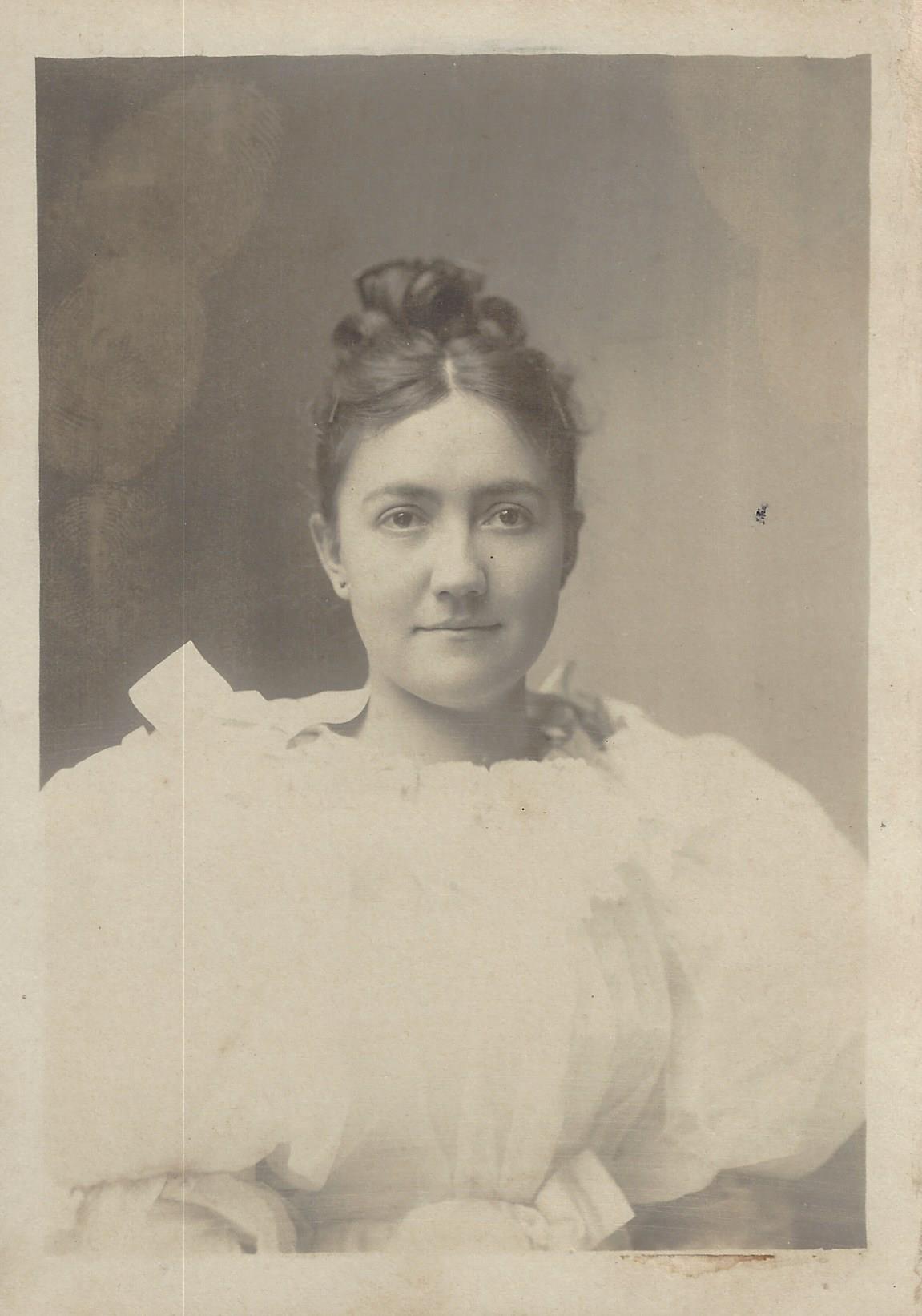
Ollie Gertrude Lockridge was born in Athens County, Ohio, and worked as a typist and clerk at the General Hocking Coal Company in Columbus before her marriage. It was there, writing letters on the company typewriter when no one was looking, that she carried on her courtship with Peter Lightner Hickman of Back Creek, Virginia.
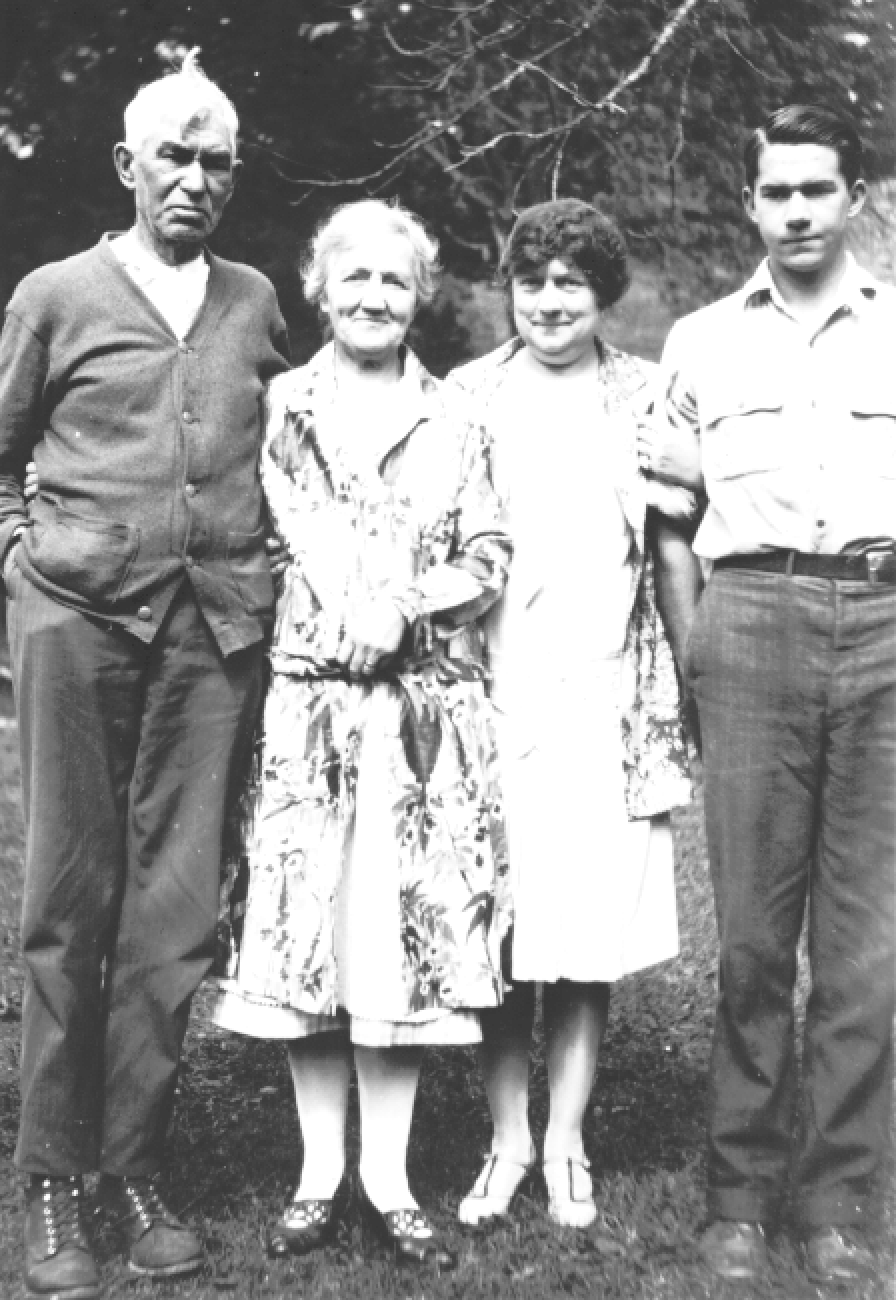
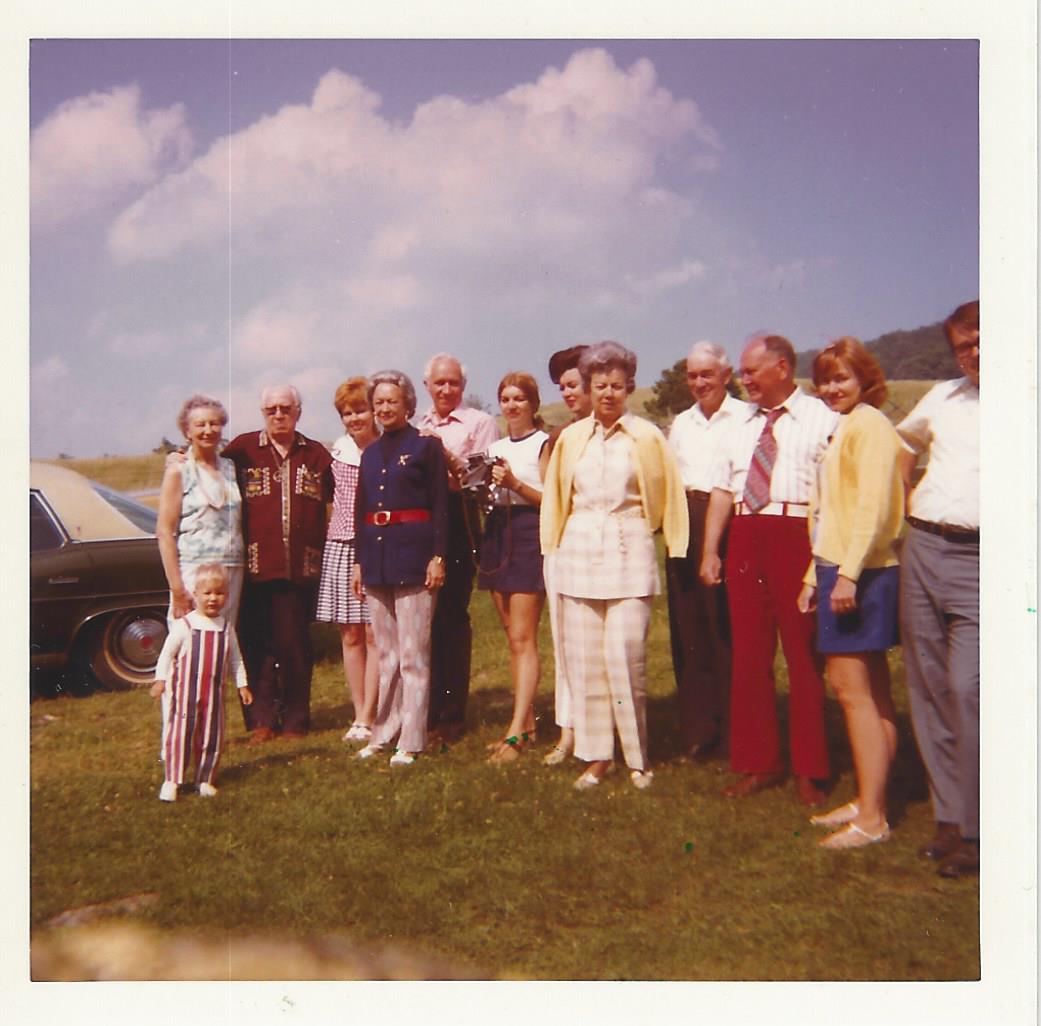
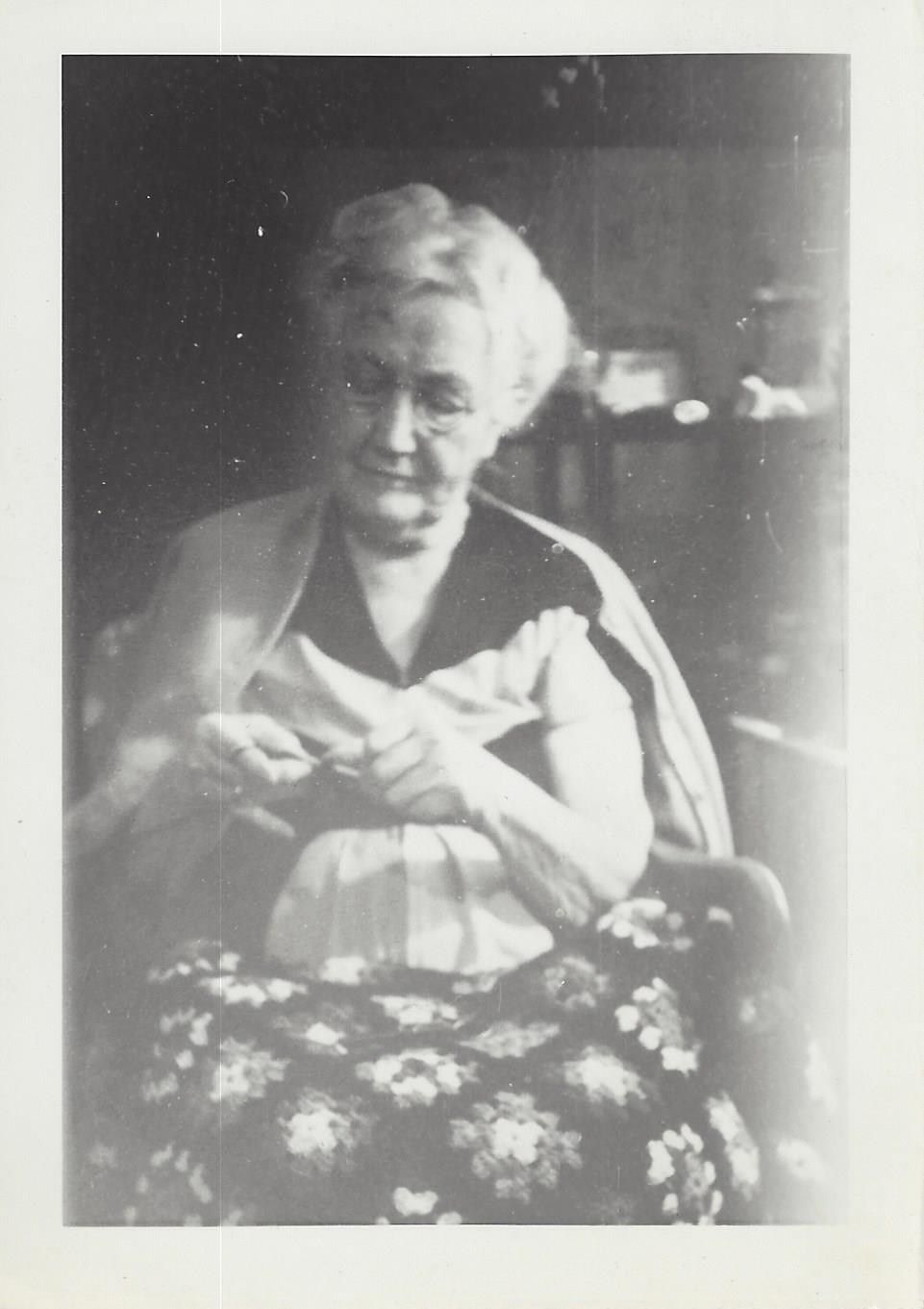
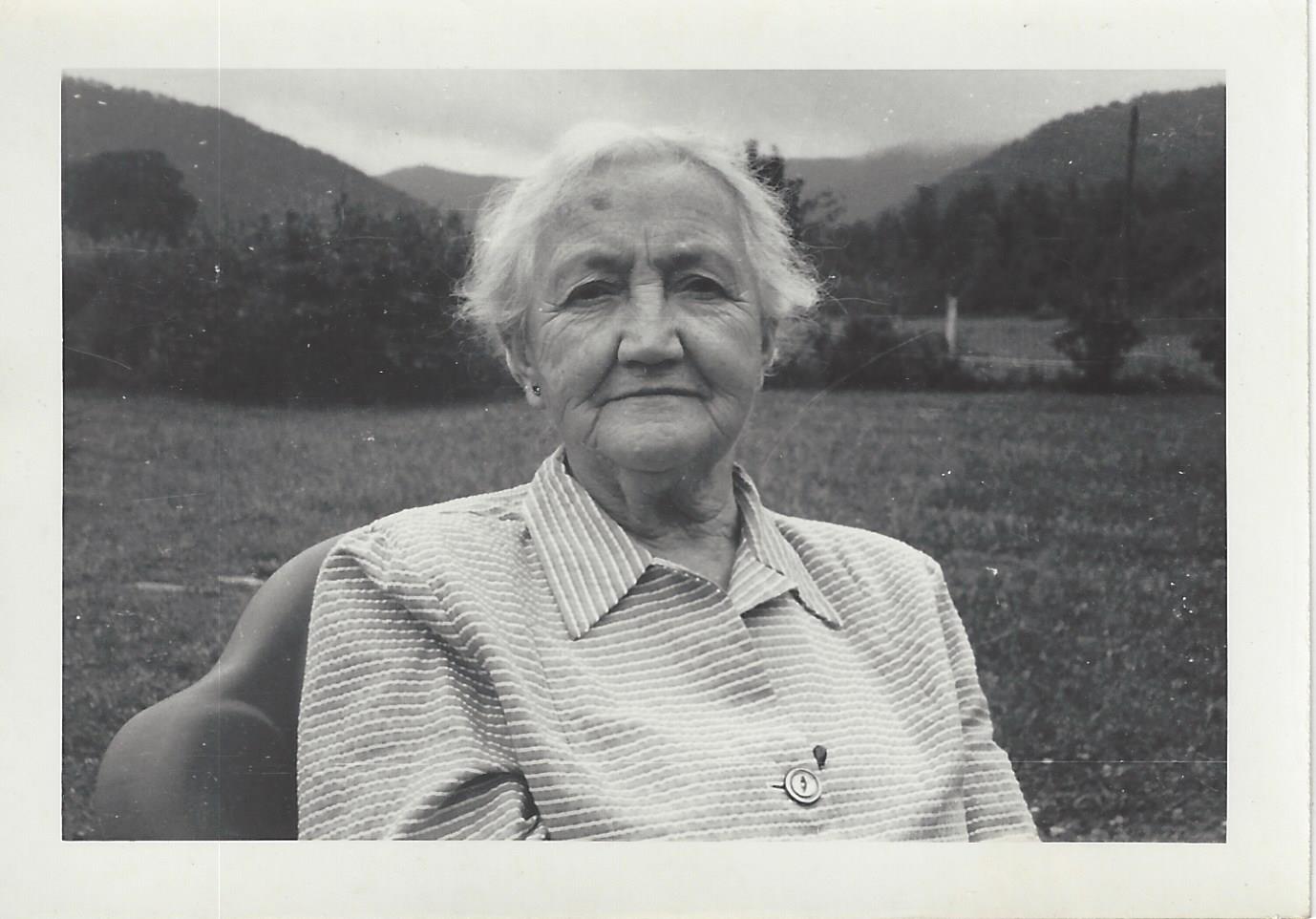
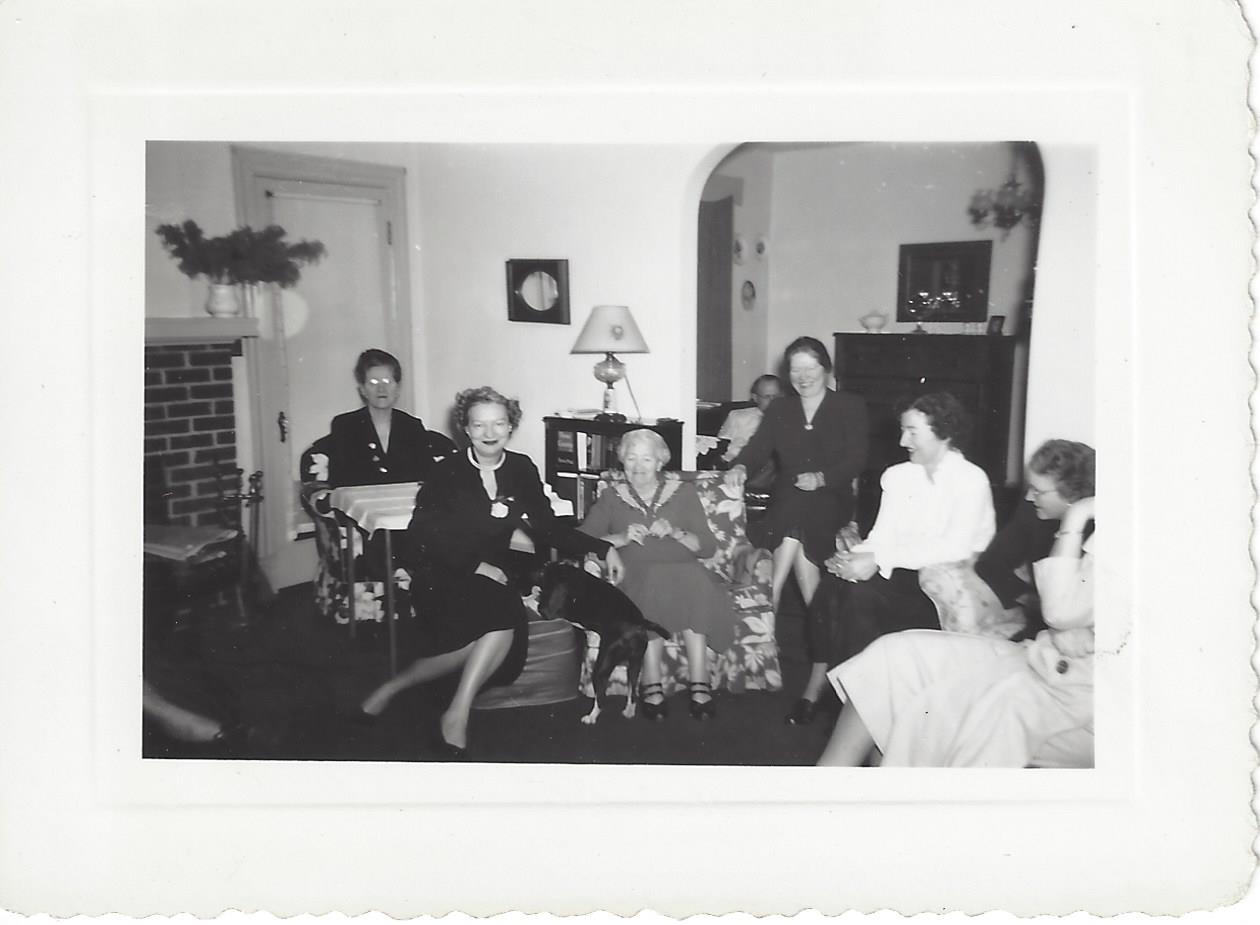
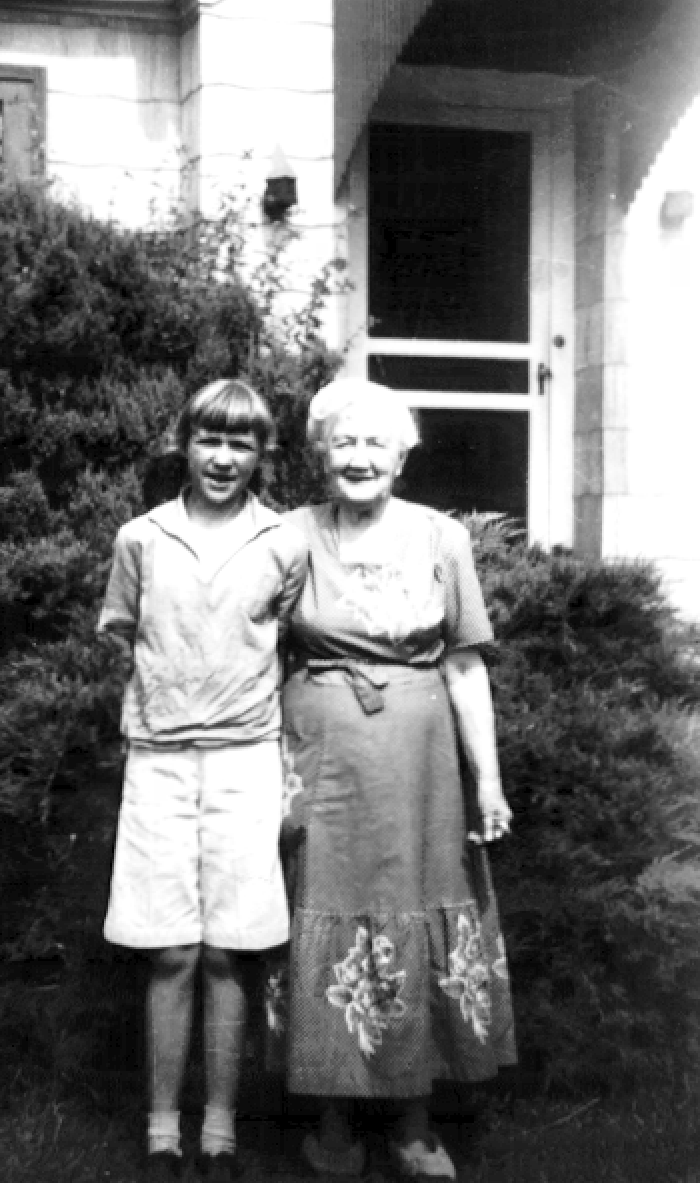
They married in September 1895 and lived in Columbus for two years before returning to Virginia, where they built their life at “Sunrise” on Back Creek. Together they raised seven children. After Peter’s death in 1937, Ollie lived with her daughter Virginia and son-in-law Doc Campbell in Richmond. She was a member of St. Giles’ Presbyterian Church. Ollie lived to the remarkable age of 95, passing away in Richmond on August 14, 1965. At a family reunion near Hot Springs in July 1965, she was honored as the oldest member of the Hickman clan.
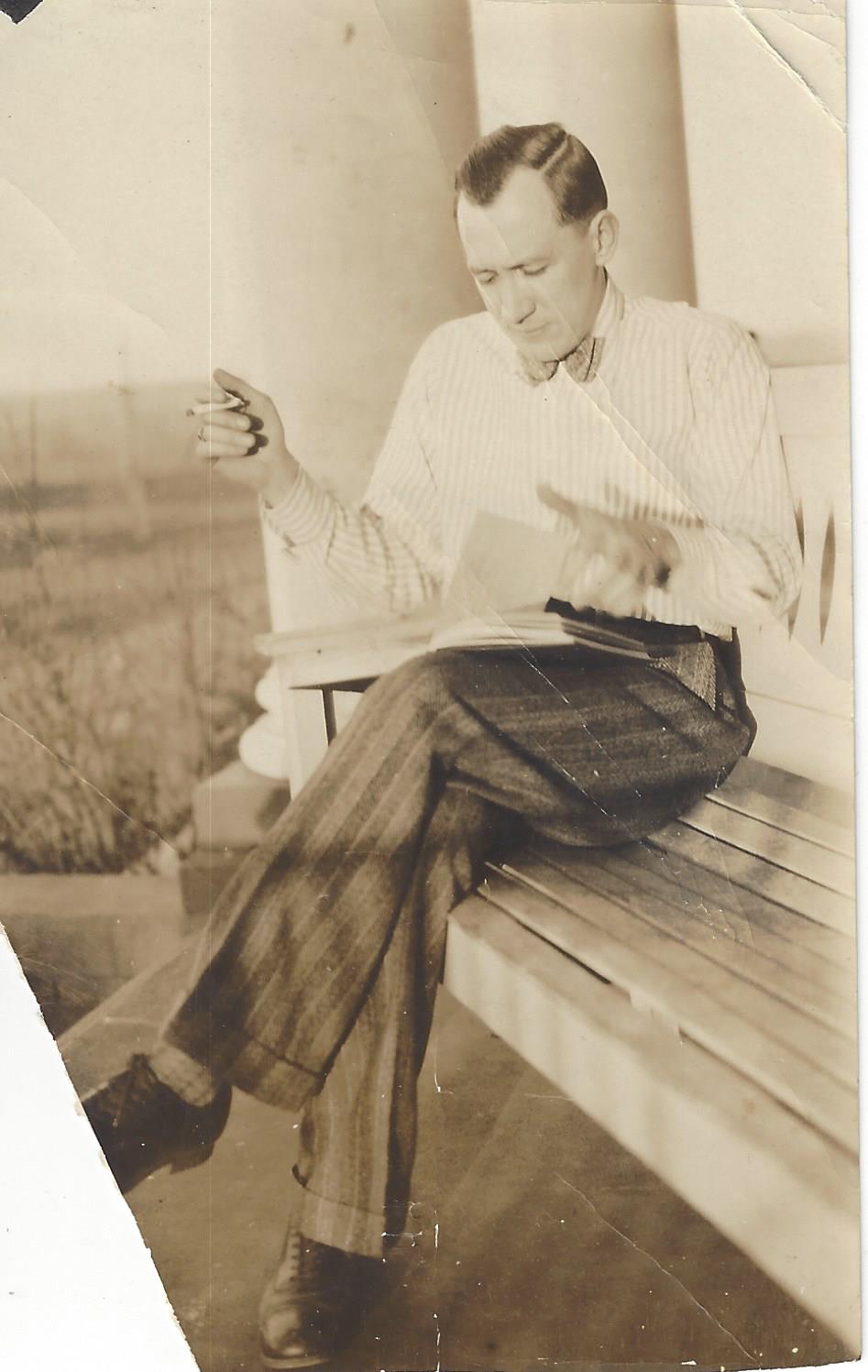
Roger Lockridge Hickman, born on the Fourth of July 1896, was the eldest son of Peter and Ollie. He grew up at Sunrise on Back Creek before pursuing a career in medicine, serving as a doctor in the U.S. Indian Service and other government agencies. He also served as a medical missionary in Nigeria before settling in Wynne, Arkansas, where he practiced medicine and wrote a regular newspaper column called “To and Fro.”
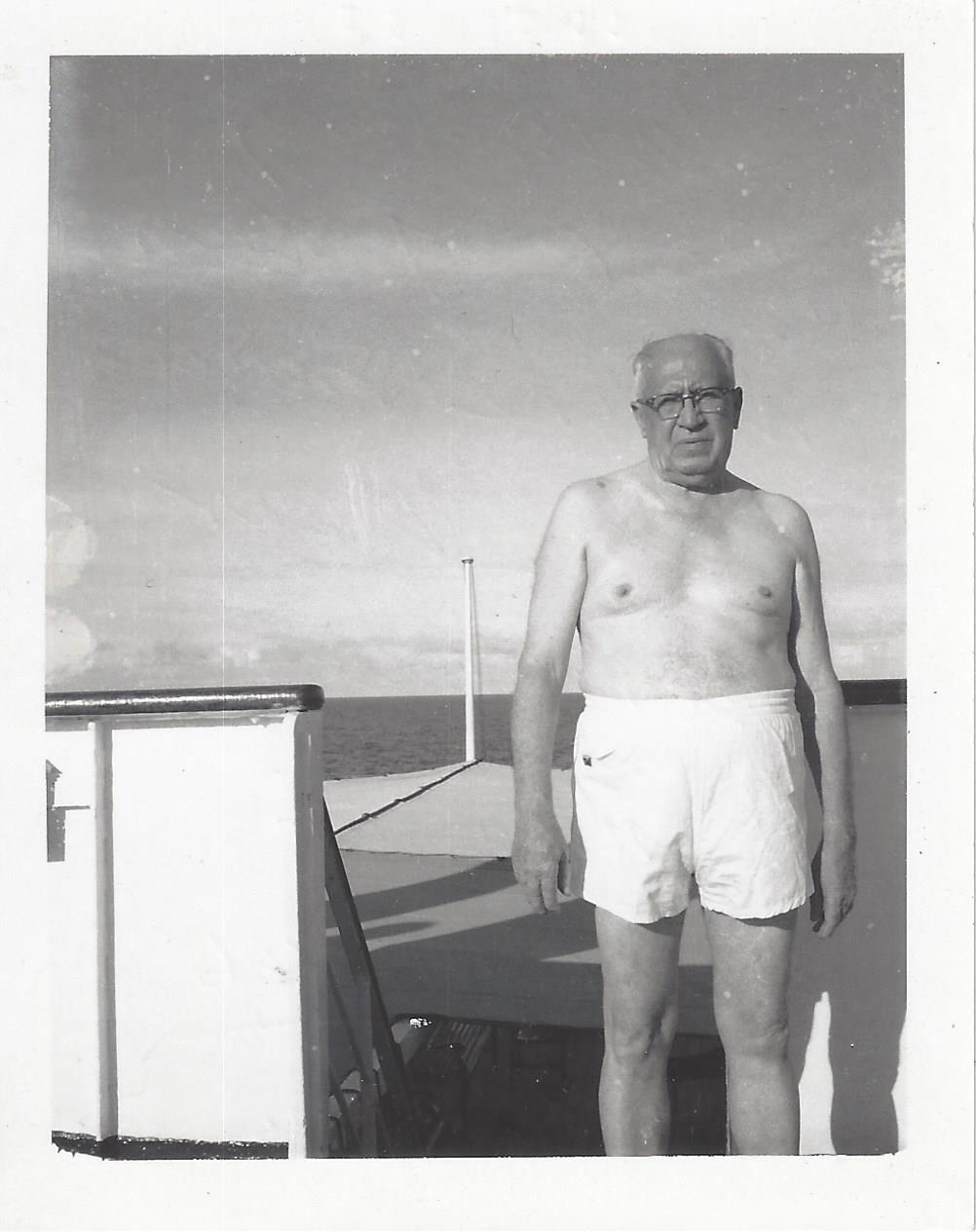
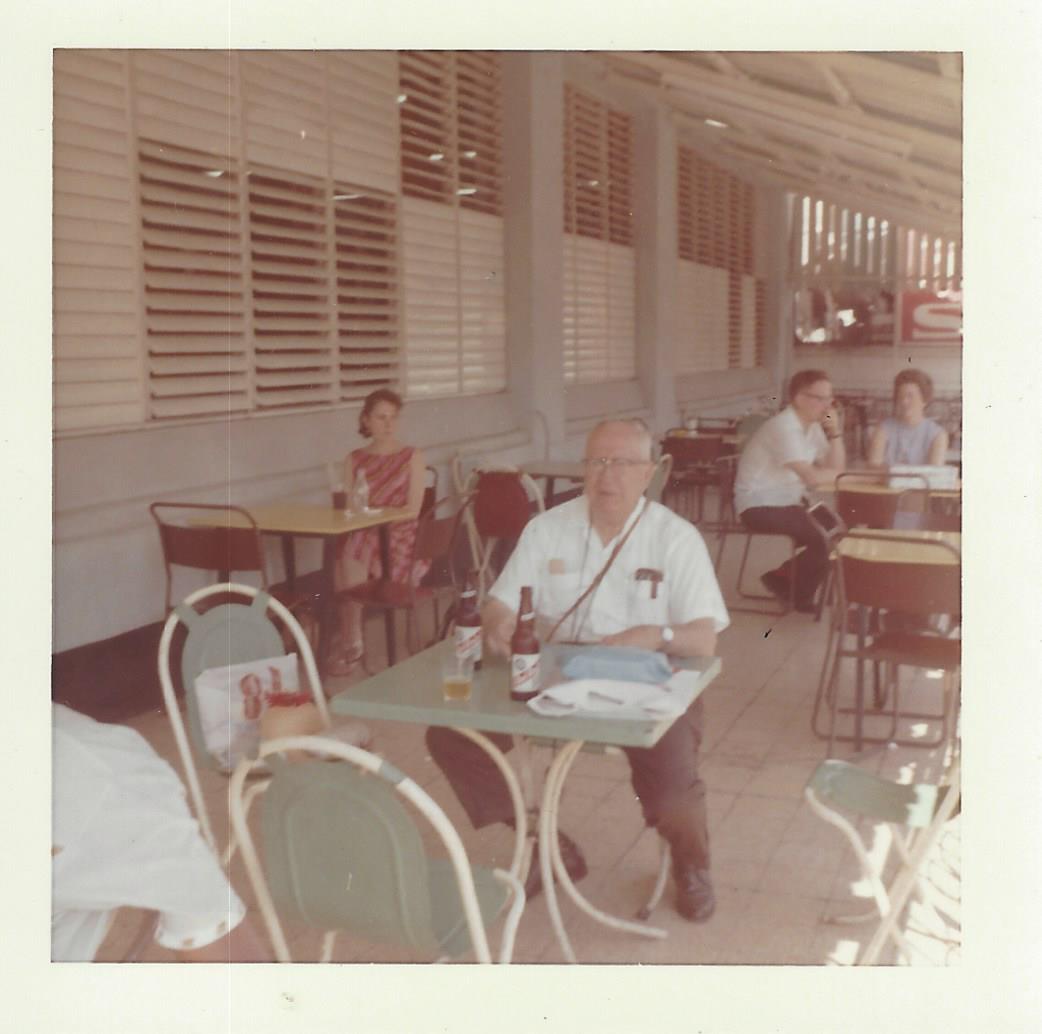
Roger was a lifelong reader, daydreamer, and world traveler. He sailed on freighters across the Indian Ocean and visited Fiji, Samoa, and Manila. He was married three times, most notably to Nellie Christine Shaw in 1930. His columns reveal a philosophical mind that never lost the wonder of the boy who walked the hills of Back Creek listening for cow bells. He died in 1979 in Wynne at the age of 83.

Forrest Elwood Hickman, known to his family as “Si,” was the second child of Peter and Ollie Hickman. He lived and worked in Elkton, Virginia, where he was known for his tireless work ethic, often putting in seven days a week. He never married.
Few of Si’s own letters survive, but his siblings’ words after his death in September 1954 paint a picture of a quiet, hardworking man who was deeply loved. His sister Virginia wrote of the shock of his absence from the family circle, and of the many friends he left behind in Elkton. His mother Ollie, then 84, took Si’s passing very hard.

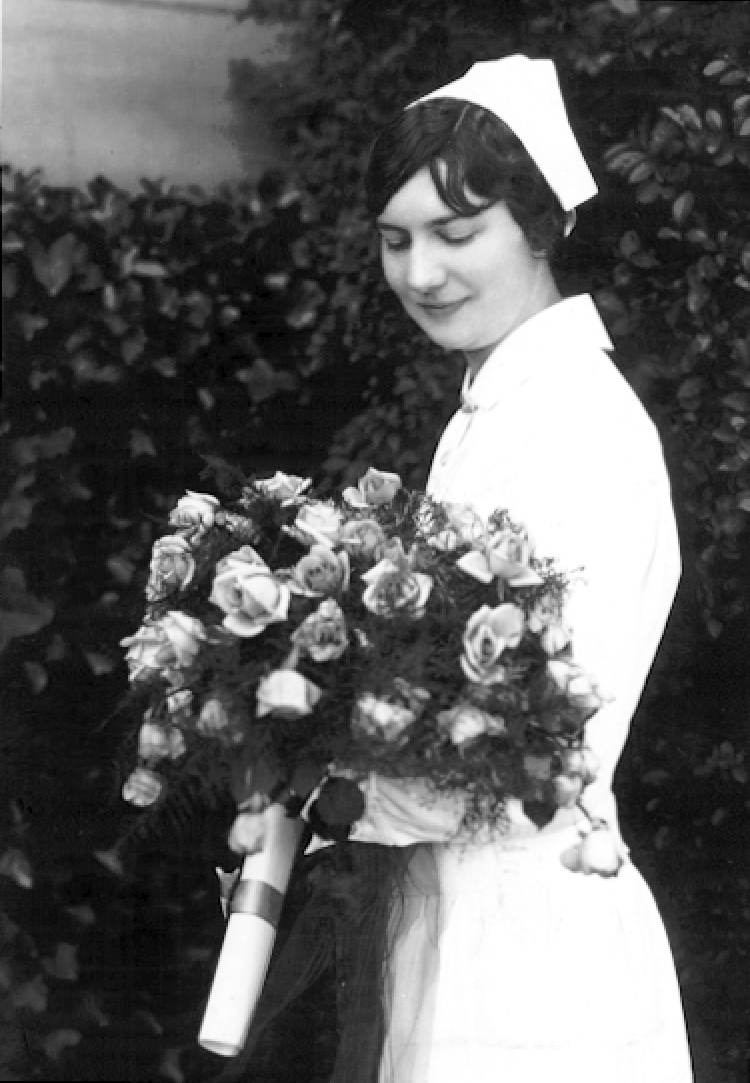
Ollie Virginia Hickman, called “Virge” by her family, was the third child and eldest daughter of Peter and Ollie Hickman. A trained nurse, she married Warren “Doc” Campbell in 1927 and lived in both Richmond and Monterey, Virginia.
Virginia served as the family’s peacemaker and protector. When tensions arose among siblings over their brother Si’s estate or the sale of Sunrise, it was Virge who counseled calm and unity. She fiercely guarded her mother’s dignity and privacy, and was devastated when Ollie’s personal keepsakes were destroyed at the Richmond Home for Ladies. She lived to 94, the last link to the world of Back Creek.

Clare Brown Hickman was the fourth child of Peter and Ollie Hickman. He settled in Staunton, Virginia, where he served as a Justice of the Peace for Augusta County. In 1935 he married Juanita Elizabeth Rohr, and together they had three daughters: Carolyn, Kathleen (“Jimmie”), and Penelope.
Clare was recognized as the family’s foremost authority on Hickman history. His meticulous knowledge of the family’s past was indispensable to the archive that exists today. In the 1990s, Bill Gabriel worked with Clare extensively on the family history project, drawing on Clare’s deep memory and records. Though few of Clare’s own letters survive, his legacy lives on in every page of the family archive. He died in 1997 at the age of 92.

Ruth Gertrude Hickman was the fifth child of Peter and Ollie Hickman, born on January 16, 1908 at Back Creek. She married Hermann William Gabriel Jr. in 1933 and they had two sons: Herman William “Bill” Gabriel III and Henmar Ruskin “Gabe” Gabriel.
After her separation from Hermann, Ruth moved to Richmond, Virginia, where she built an independent life working in insurance at Muhleman & Co. She was a proud member of the Daughters of the American Revolution (member #624441). In 1969 she married Edward Hardy. Ruth was a devoted mother and a faithful correspondent whose letters reveal the private struggles and deep family bonds of the Hickman siblings. She died in 1997 in Richmond at the age of 89.

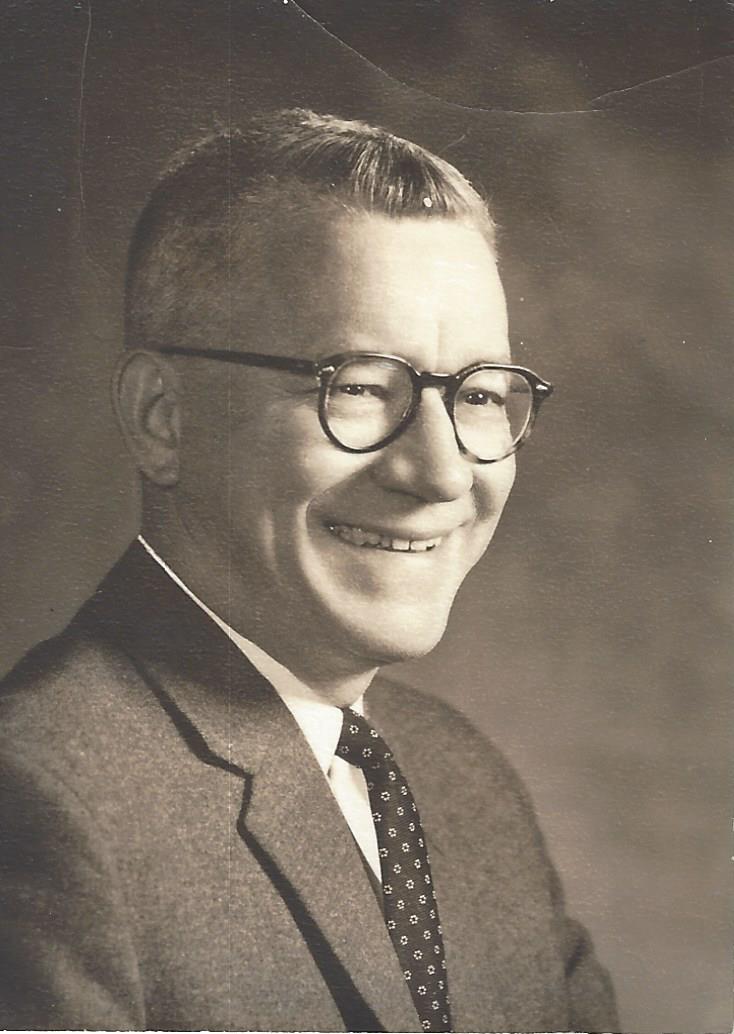
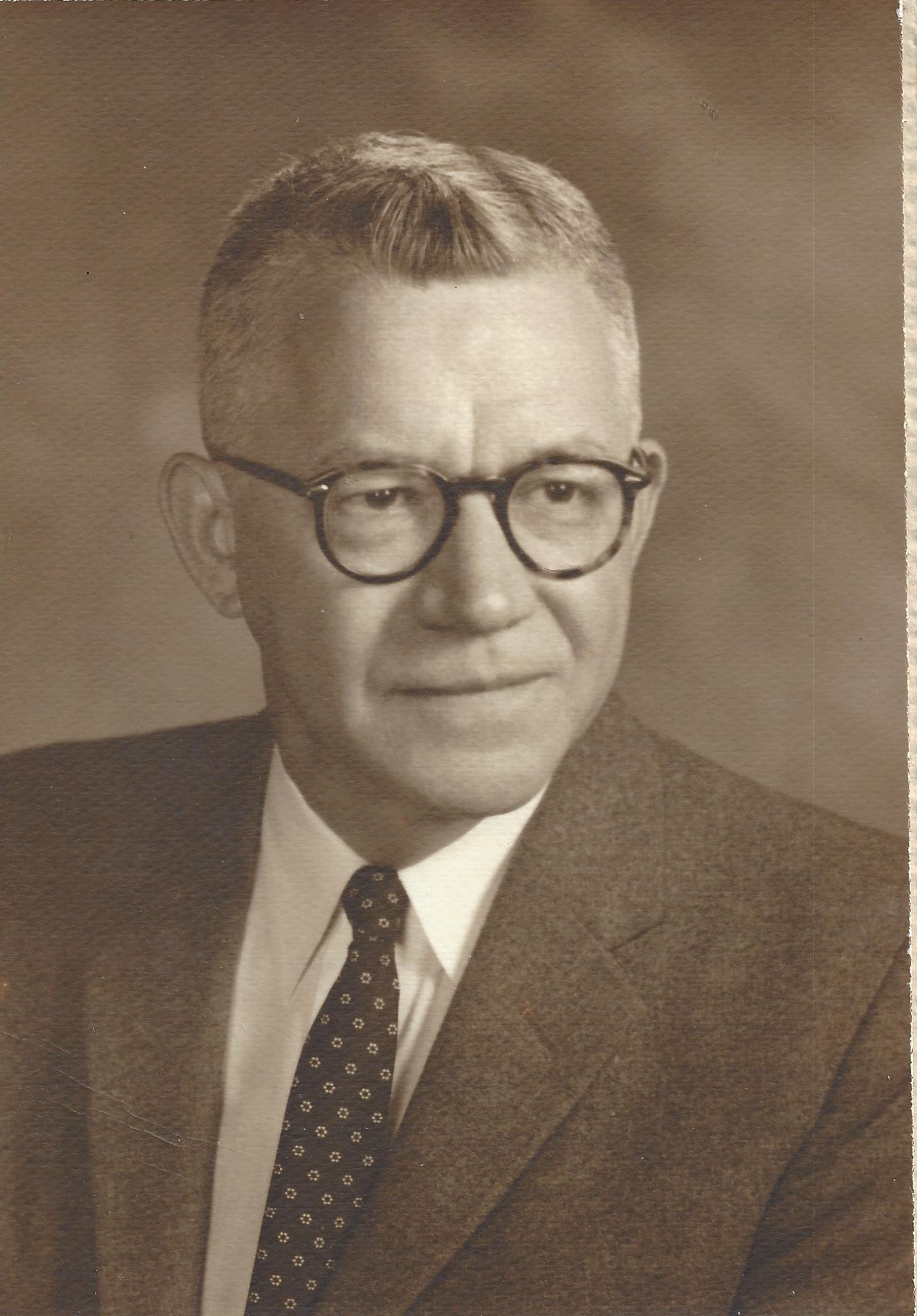
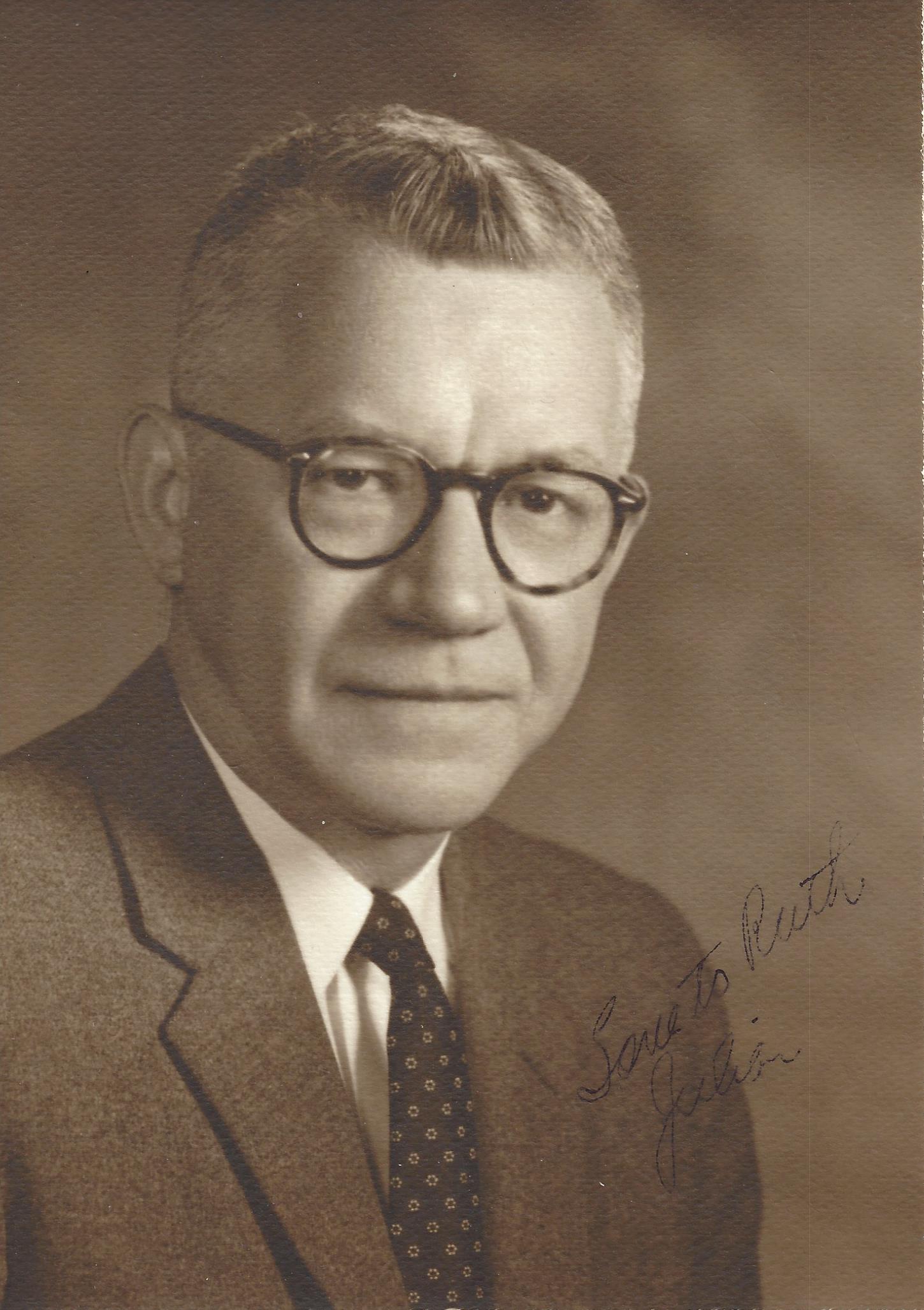
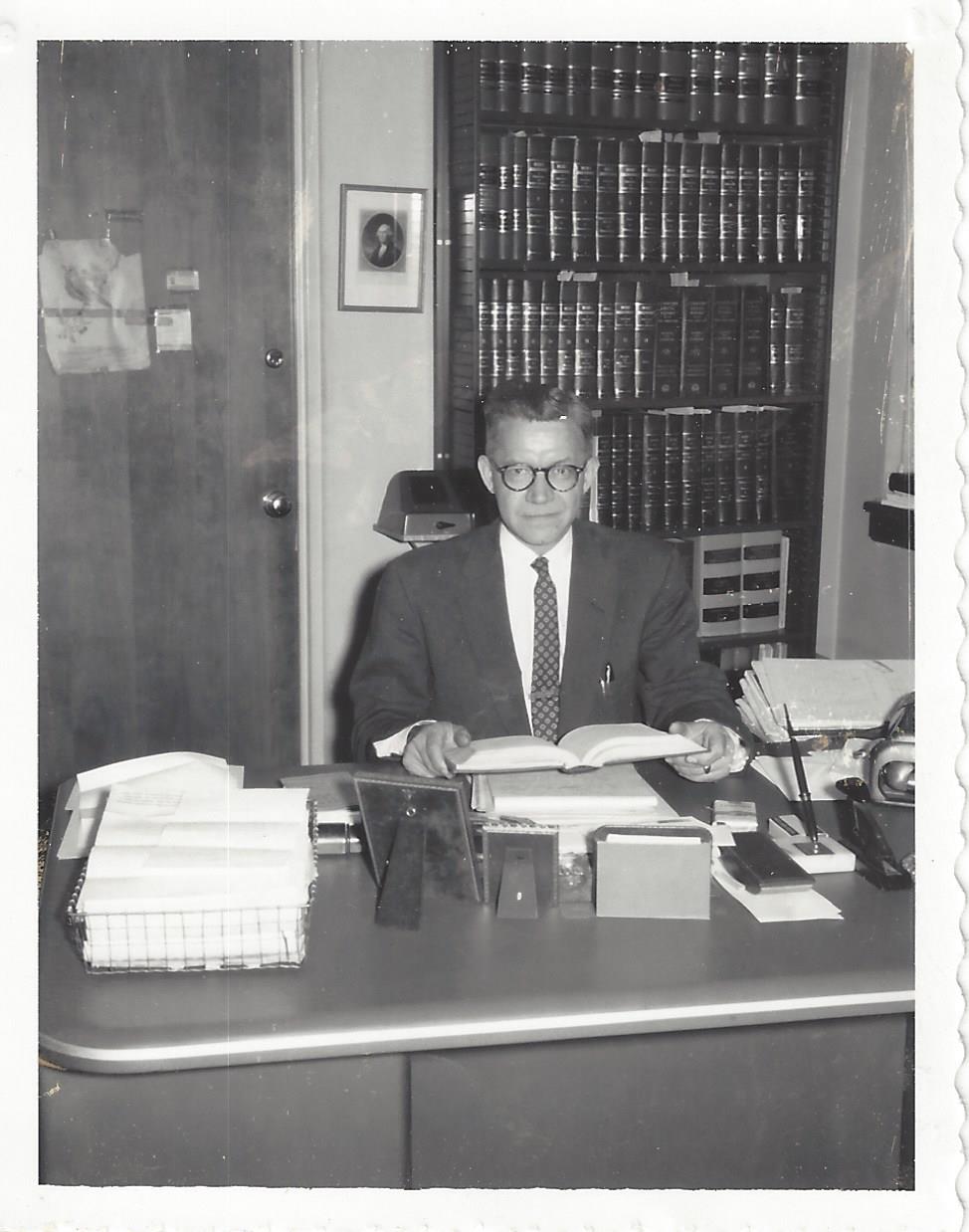
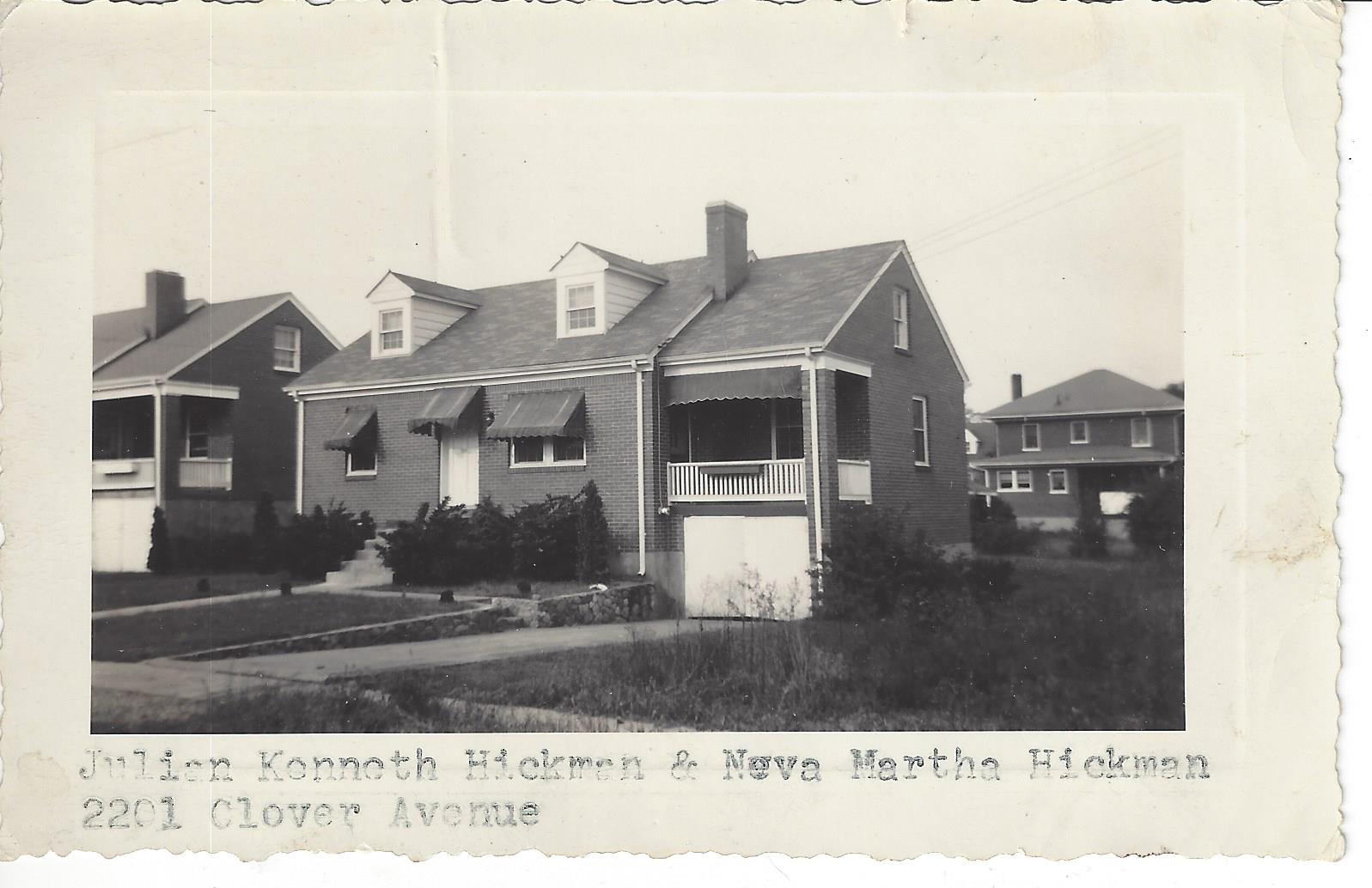
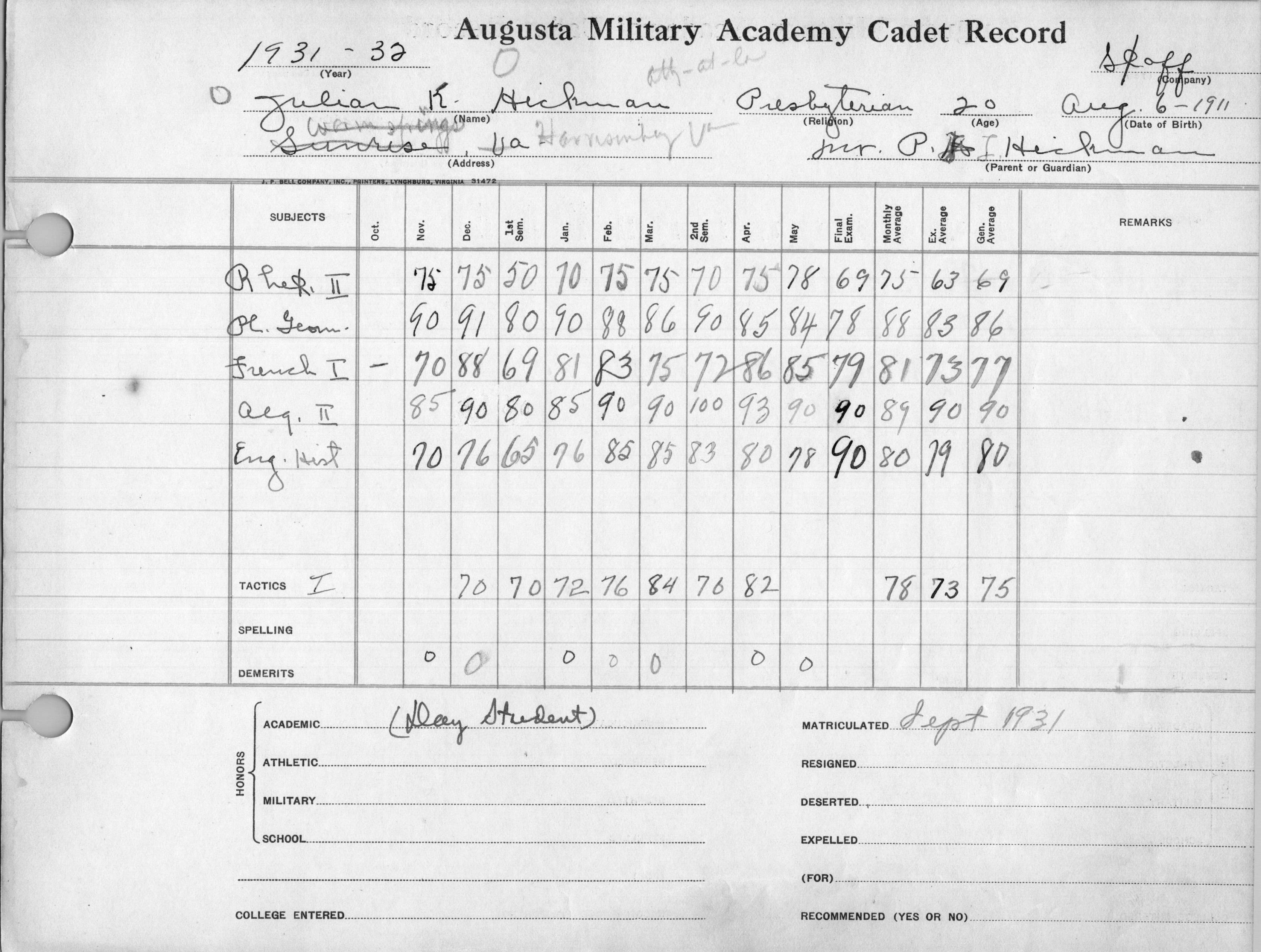
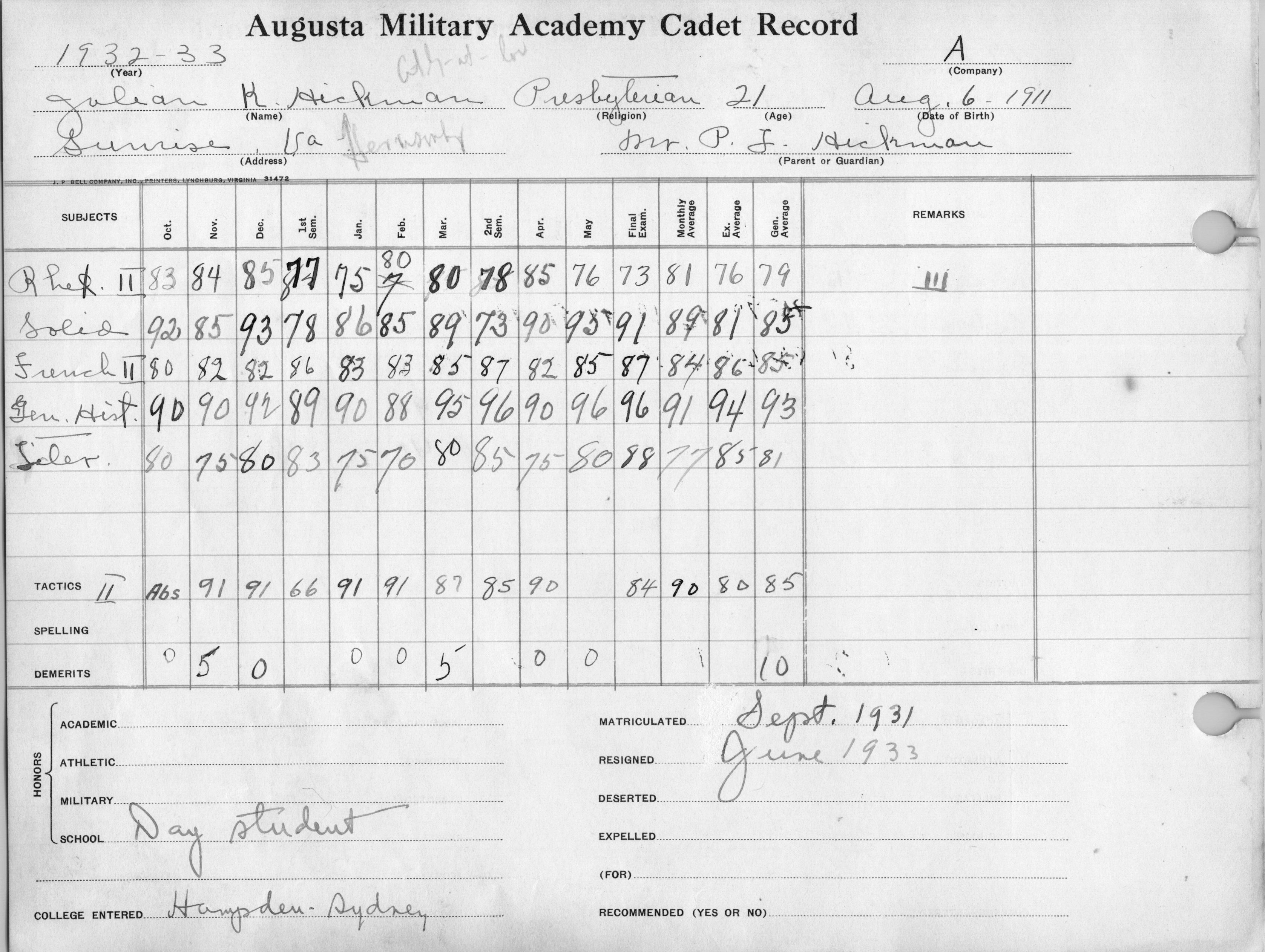
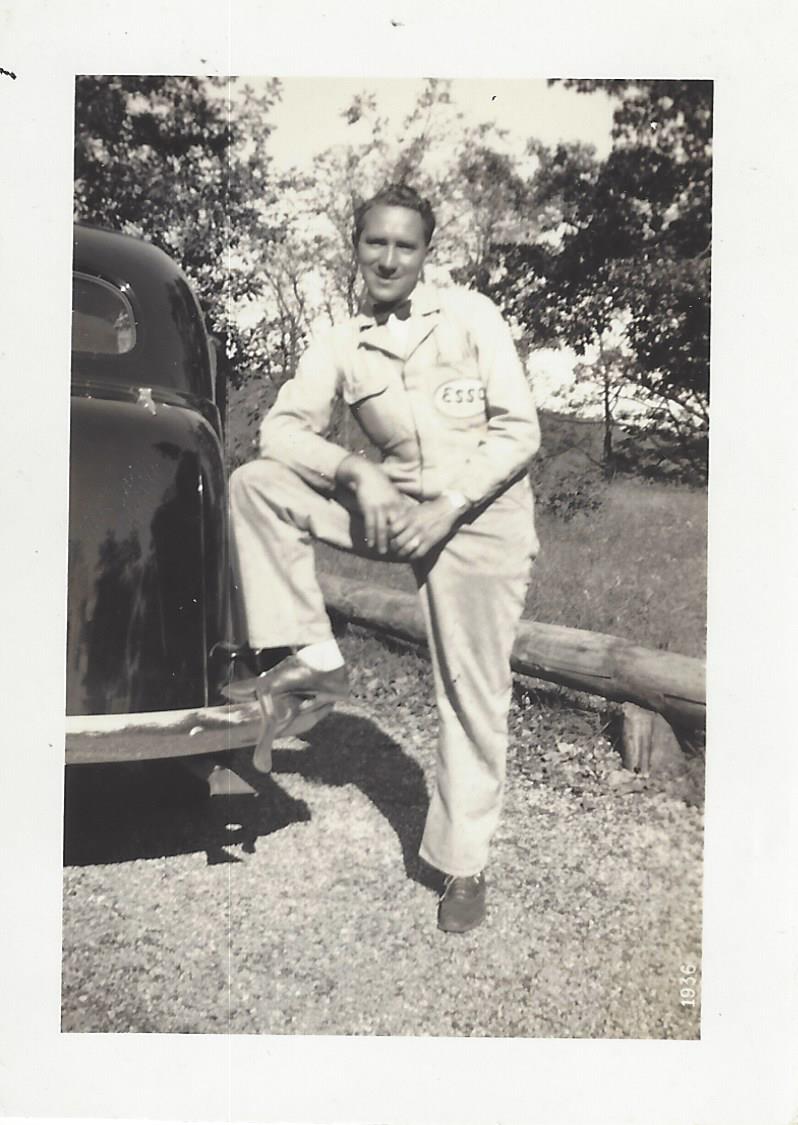
Julian Kenneth Hickman was the sixth child and youngest son of Peter and Ollie Hickman. He studied law and became an attorney, serving as Commonwealth’s Attorney for Bath County and rising to Chairman of the 7th District Republican Committee. He married Neva Lee Martin in 1937 and they settled in Harrisonburg, Virginia, where they raised two children: Neva Martin and Julian K. “Pete” Hickman II
Julian was the family’s most eloquent letter-writer—philosophical, witty, and deeply devoted to his mother. After his father Peter’s death in 1937, Julian served as administrator of the estate, a task that tested the bonds between the seven siblings. His letters to Robert F. Kennedy, Barry Goldwater, and Richard Nixon reflect his political engagement. He died in October 1964 in Harrisonburg at the age of 53, a loss felt deeply across the family.

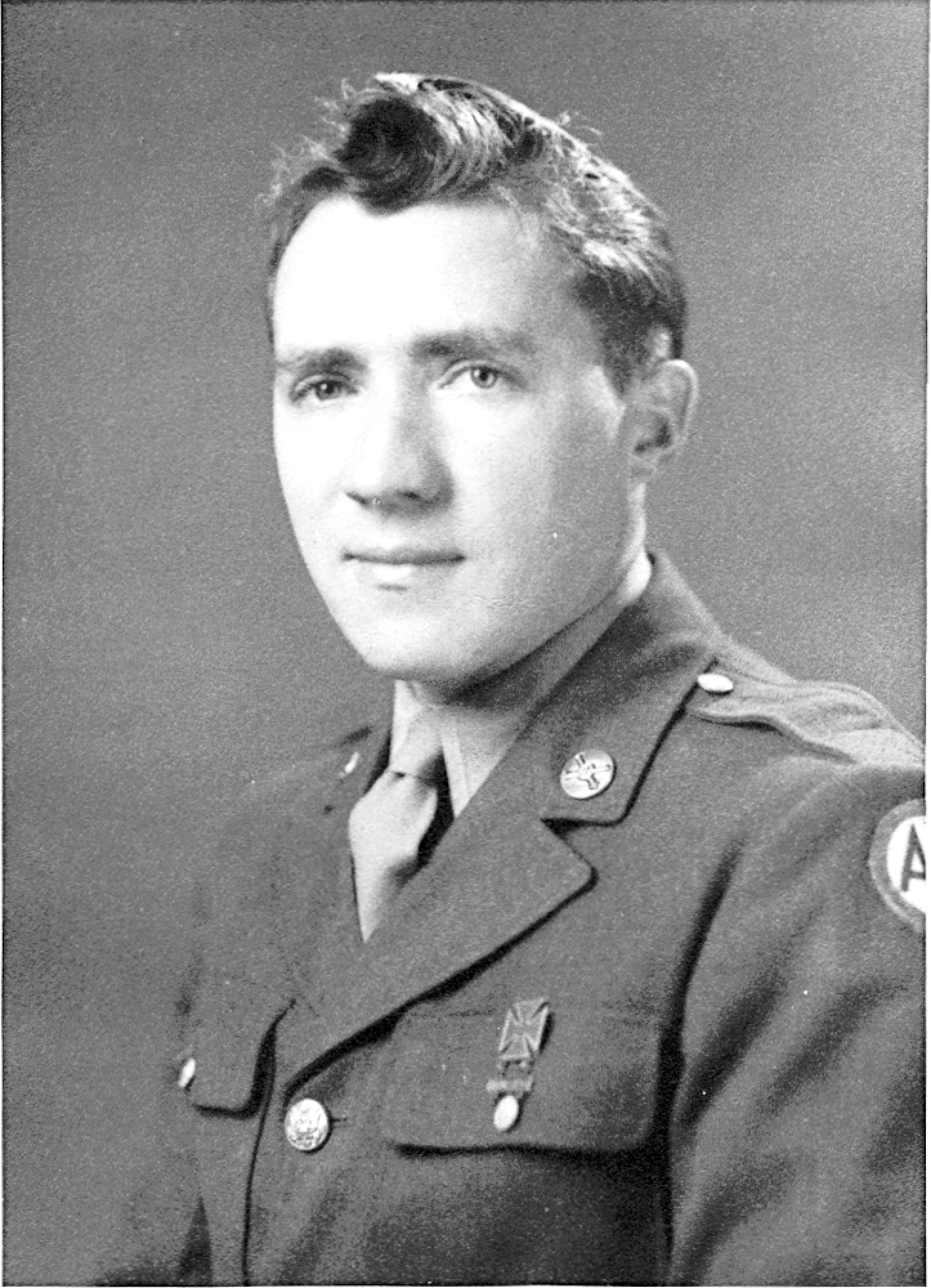
Harry Herman Hickman was the youngest of Peter and Ollie’s seven children, born in 1914 at Back Creek. During World War II, he served as a radar specialist with the 93rd AAA Gun Battalion in the Pacific theater, stationed on Ie Shima. He was present on the airfield when the Japanese surrender envoys arrived—a moment of history he witnessed firsthand.
After the war, Harry settled in Selmer, Tennessee, where he operated a motel and served as City Judge and Recorder. He married Virginia Jefferson in 1948. His wartime letters to his sister Ruth are filled with humor, affection, and longing for home—asking his young nephews Bill and Henmar to write him, promising to teach them to live in a foxhole. He died in 1999 at the age of 85, the last of the Hickman brothers.

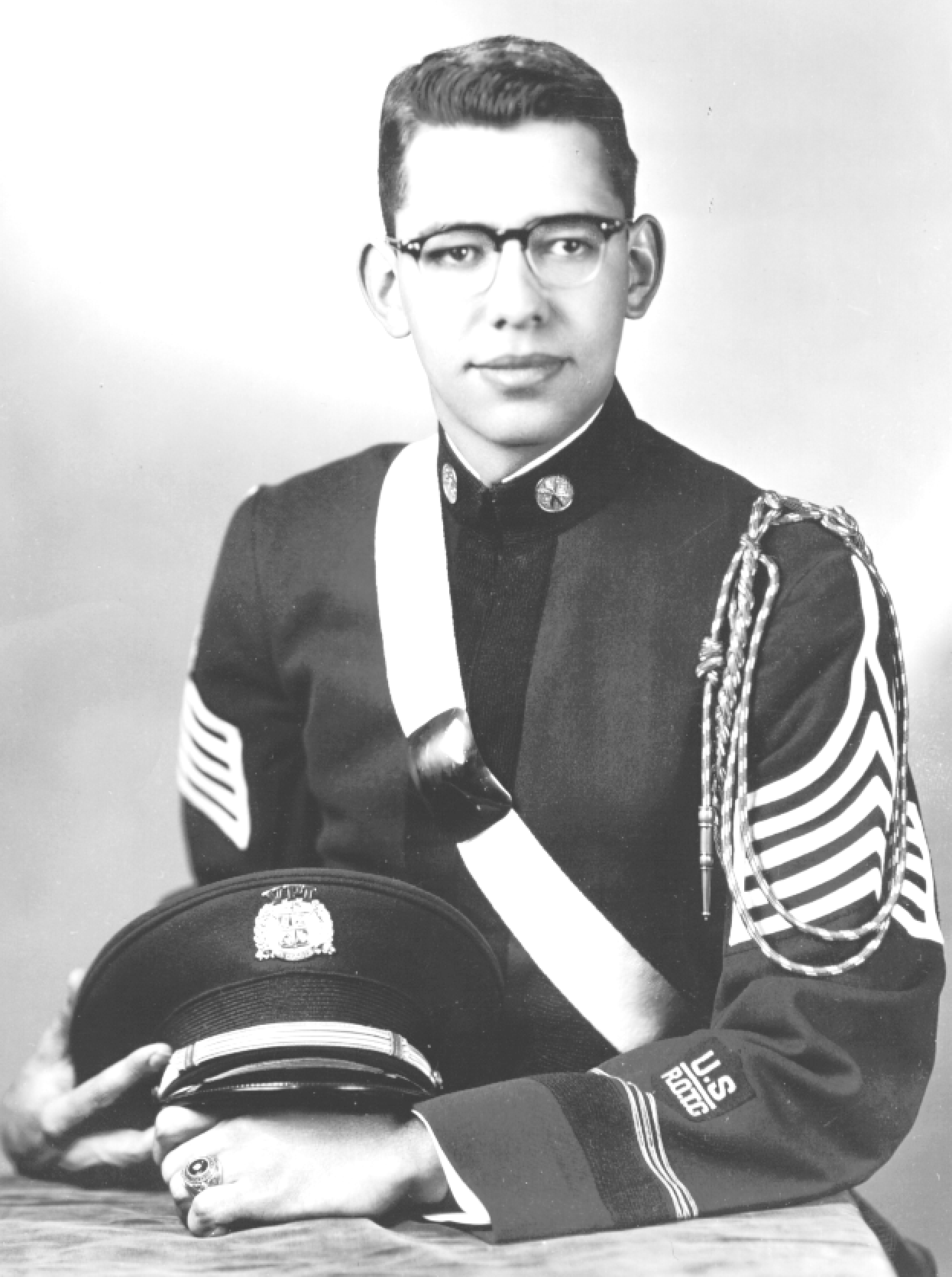
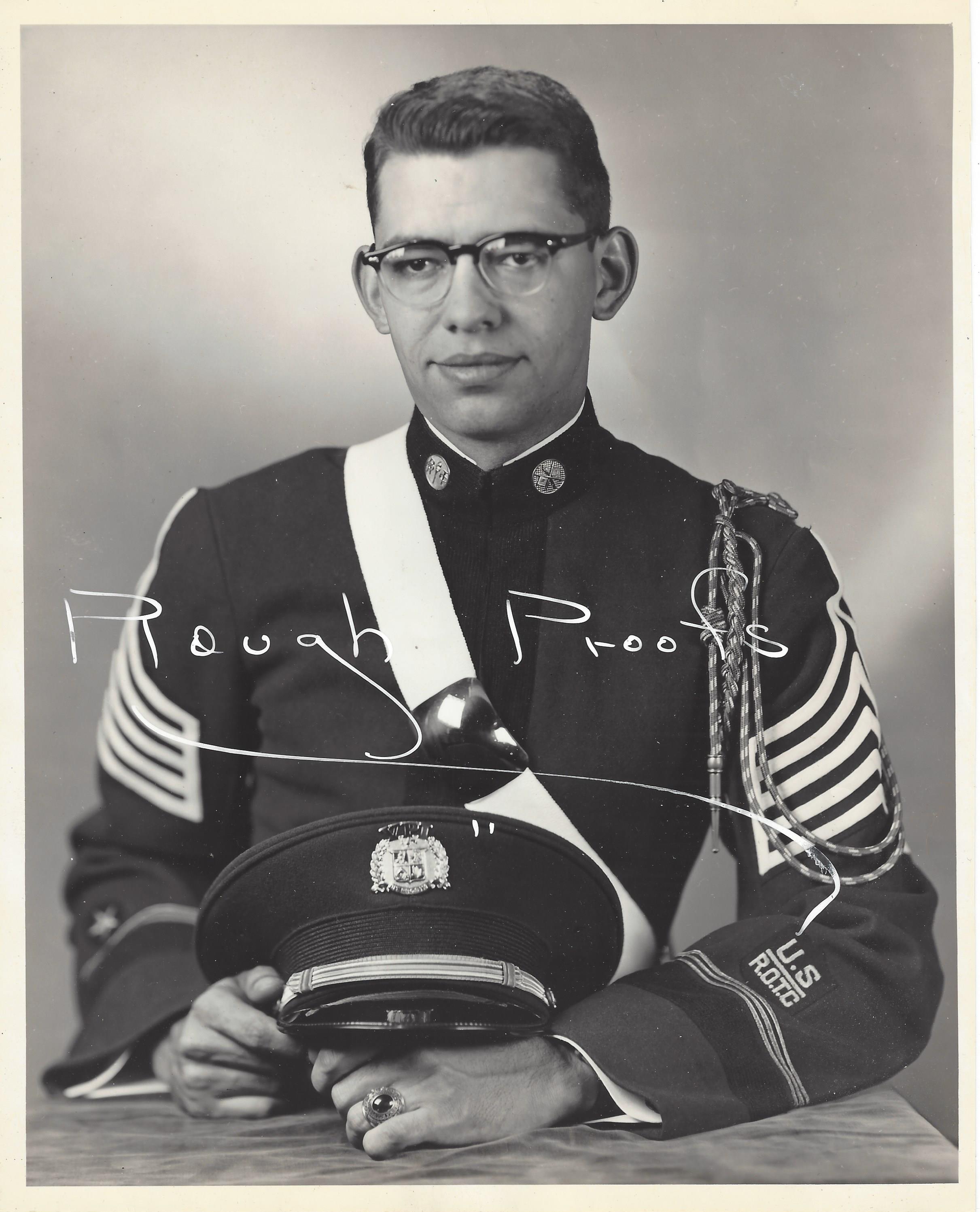
Herman William “Bill” Gabriel III was the elder son of Ruth Hickman Gabriel and Hermann William Gabriel Jr., born in Richmond, Virginia on December 21, 1933. He attended Virginia Polytechnic Institute (VPI) as a cadet and went on to earn a PhD in wildlife biology from the University of Montana.
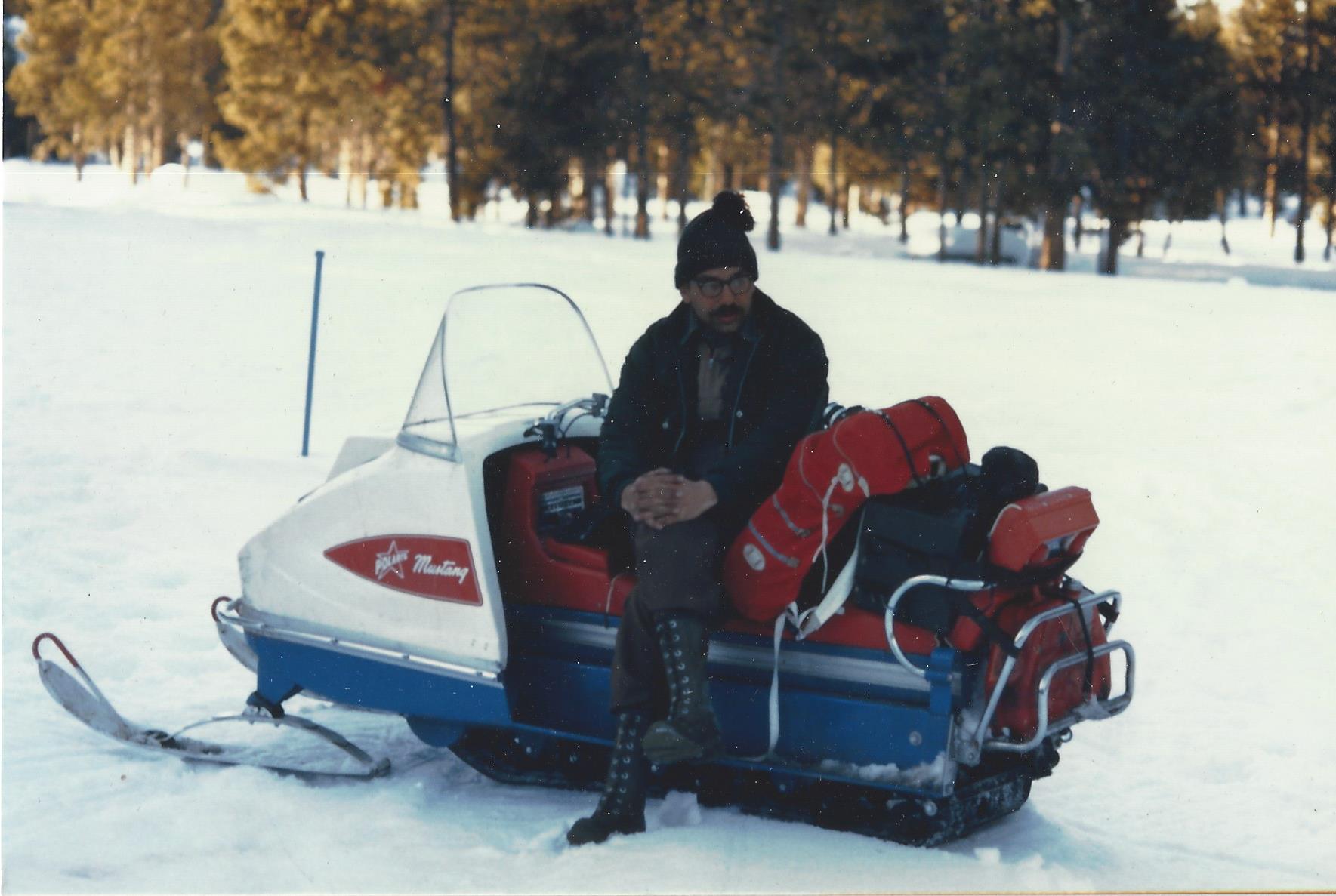
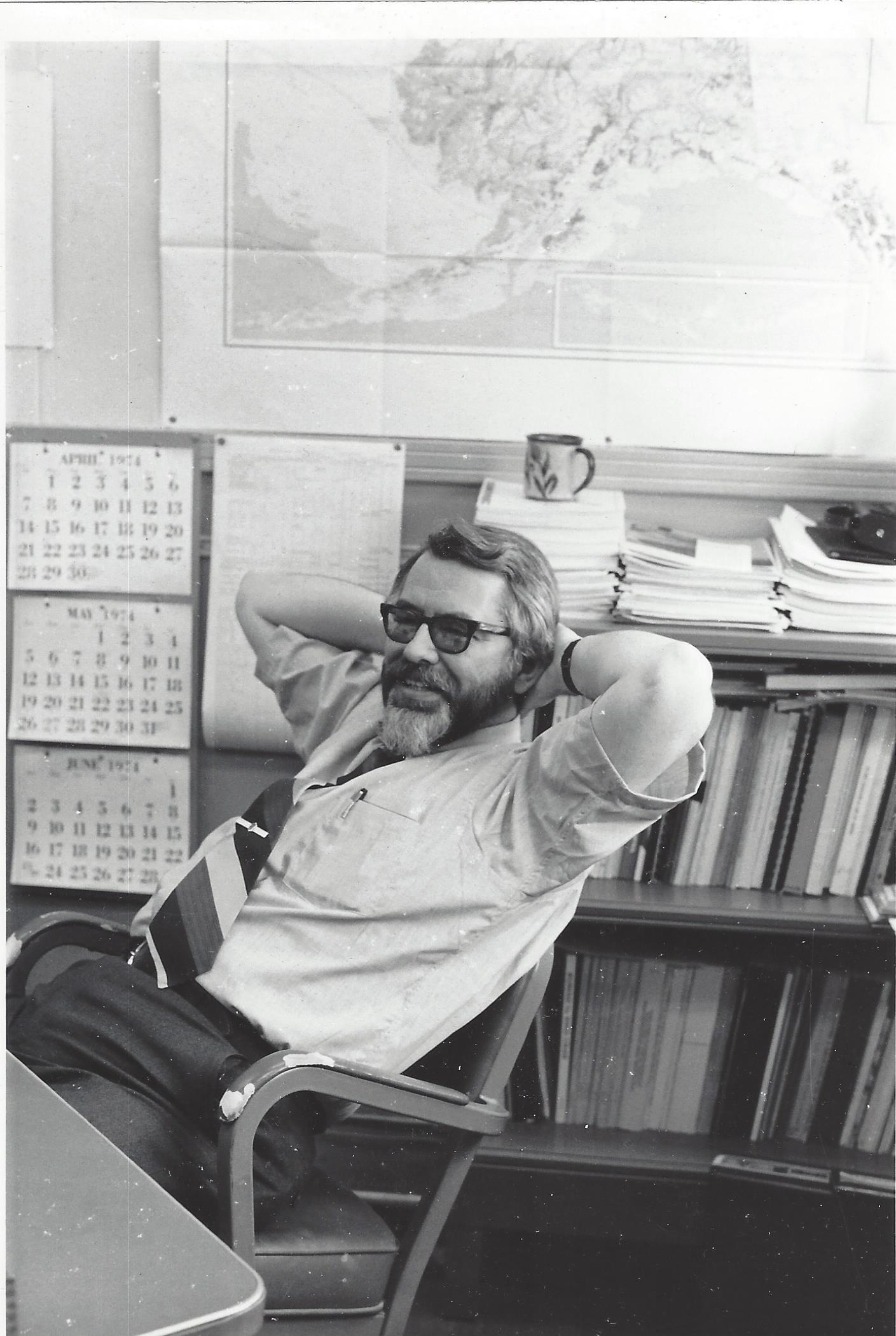
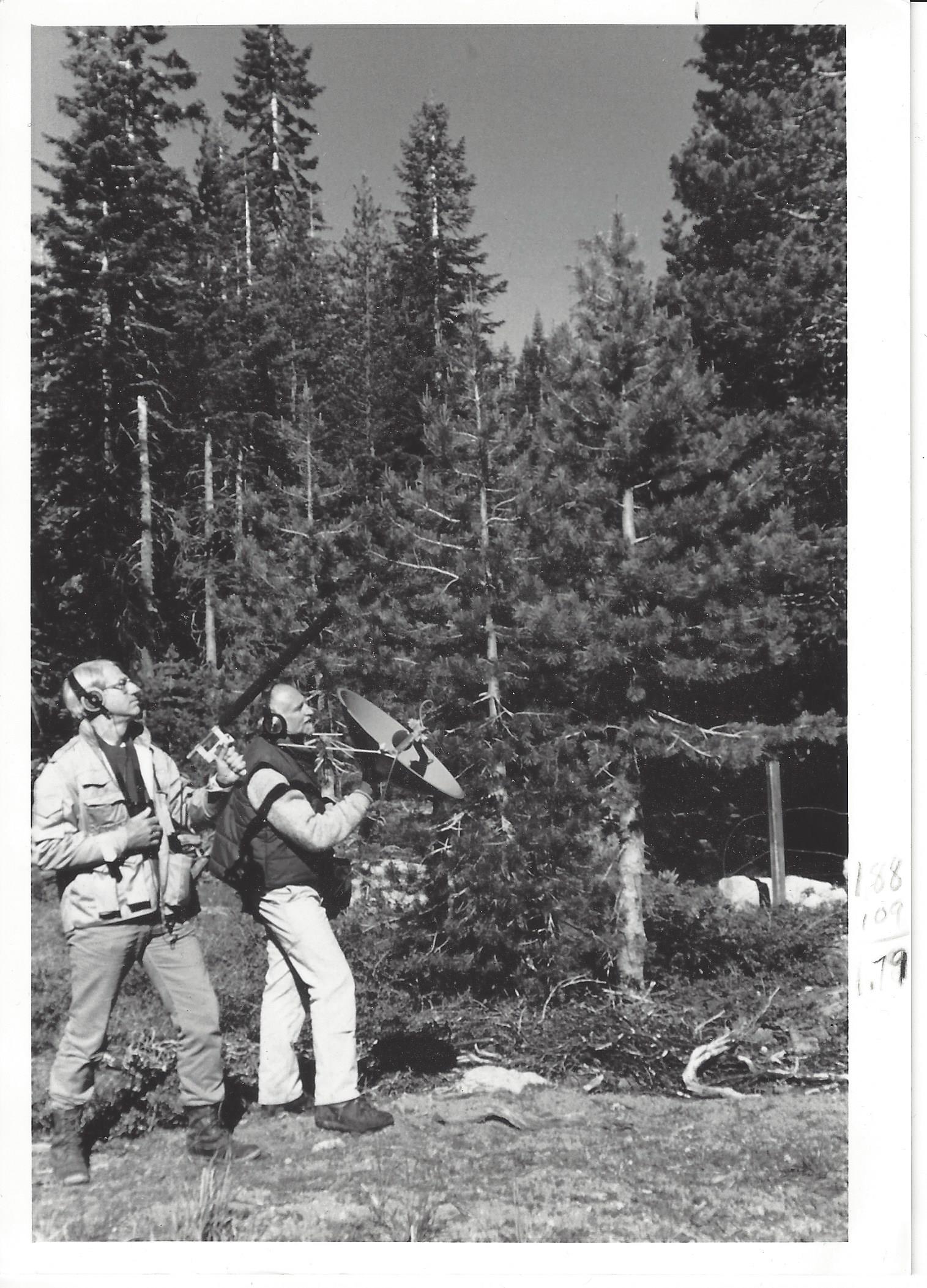
Bill spent his career with the U.S. Forest Service as a forester and wildlife biologist, living in Utah, Wyoming, Alaska, and finally Montana, where he settled at what he called “The Beautiful Bitter Root Bird Farm.” He was an accomplished nature writer and photographer, and authored the memoir “Memories of a Career.”
In retirement, Bill devoted himself to preserving the Hickman family history. What he thought would be a simple task at Christmas 1992 became a multi-year project spanning three volumes of transcribed letters, deeds dating to the 1830s, and extensive correspondence with cousins. Working closely with his uncle Clare, Bill assembled the archive that is the foundation of this website. He never married. He died in 2020 in Montana.
Bill published under two names: Bill Gabriel for personal articles and H. William Gabriel for academic and professional work. His one-man business, BioGraphics, operated as a sideline from 1966 to 1984, then full-time from 1985 to 2000. He was represented by Photo Researchers and the Audubon Photo & Film Service in New York.
Bill’s wildlife and nature photography appeared in: Audubon, Backpacker, Bicycling, Birding, Discover, Falcon for Kids, Journal of Forestry, Living Bird, National Parks, National Wildlife, Natural History, New Mexico, Orion, Pacific Discovery, Ranger Rick, Scholastic News, Sierra, Teton, Time, Trailer Life, U.S. News & World Report, Virginia Tech Forester, Western Skier, Western Wildlands, and Wyoming.
His photos were used by: Addison-Wesley, Compton’s Encyclopedia, DC Heath, Doubleday, Encyclopedia Americana, Encyclopedia Britannica, Field Enterprises, Holt Rinehart & Winston, Merrill, Mondadori (Italy), Random House, Saunders College Publishers, Sinauer, Winchester Press, Worth, and Xerox.
Through BioGraphics, Bill mounted exhibits including Smokejumpers (1992), Windmills (1992), Landscapes (1993), Wilderness (1993), and Wildlife (1993), shown at venues in Missoula, Montana.
“Memories of a Career” — Bill’s unpublished memoir recounting his 32 years with the U.S. Forest Service, from the tundra of Alaska’s Arctic coast to the equatorial forests of Ecuador.
William Hickman of Somerset County, Maryland, is the earliest ancestor in the direct Hickman line that can be documented. He died in 1765 and his will, recorded in Stepney Parish, named nine children: sons William, Henry, Jonathan, Richard, and Arthur, plus daughters Catherine and Elizabeth, and two additional unnamed sons.
Somerset County sits on the Eastern Shore of Maryland, part of the Delmarva Peninsula. An earlier William Hickman had patented 1,000 acres in nearby Accomac County, Virginia, in 1667 and died there in 1683, naming sons Roger, William, Henry, and four others in his will. The Somerset County William was likely a son or grandson of the Accomac William, the two counties being adjacent on the Eastern Shore.
The Hickmans had been in tidewater Virginia since at least 1623, when an “R. Hickman” signed the proceedings of the General Assembly. A Henry Hickman received a land patent in Elizabeth City County in 1635 for transporting men to Virginia. The family carried the same handful of names — William, Roger, Henry, Arthur — down through five generations, making genealogical detective work both maddening and rewarding.
Arthur Hickman was born about 1712–13 in Somerset County, Maryland, a son of William Hickman whose 1765 will named him among nine children. Arthur moved west to Frederick County, Maryland, along the Potomac River, and later into Montgomery County (created from Frederick in 1776).
He married Mary Douglas, a widow who brought two sons — Samuel and Levy — from her first marriage. Together Arthur and Mary had six children of their own, including sons William (who remained in Maryland) and Roger (who would be the first Hickman to actually settle on Back Creek), as well as daughter Betty (who married James Ellis) and others including Sotha, Taby, and Catherine.
On May 18, 1773, Arthur purchased 280 acres on the west fork of the James River, called Back Creek, from Joseph Gregory for £100 — land in what was then Augusta County, Virginia. It is doubtful that Arthur and Mary ever lived on Back Creek themselves; the purchase was likely an investment or a provision for his son Roger, who was already in the area with his young family.
In the 1740s Arthur had served as a sergeant in the Somerset County Militia on Maryland’s Eastern Shore. On January 19, 1778, he signed the Oath of Fidelity and Support to the State of Maryland, affirming his loyalty to the new republic. He died in 1779, probably in Montgomery County. His will divided the Back Creek property between his son Roger and daughter Betty, while his eldest son William inherited the Maryland lands along the Potomac.
Sotha Hickman (1748–1831), Arthur’s brother, was a pioneer of what became Harrison County, West Virginia. He moved to Elk Creek in Virginia in 1771 and served in the militia during the Revolutionary War. According to family tradition, he was captured by Indians on the Little Kanawha River and taken to Ohio, later escaping during a grand dance and traveling four days without food. He drank “rock oil” floating on the Hughes River to cure his sickness from overeating bear meat — an early encounter with petroleum. His son Arthur was said to be “the first white child born in what was later called Monongalia County.” Sotha’s gravestone at Haymond Cemetery, Quiet Dell, reads: “Va. Mil / Rev. War.”
Roger Hickman was the first of his family to actually live on Back Creek in the mountains of what would become Bath County, Virginia. His father Arthur had purchased 280 acres there in 1773, but it was Roger — with his wife and young children — who cleared the land, tapped the maple trees for their first cash crop, and built a life in the wilderness.
Family folklore had Roger arriving on Back Creek “penniless and with a new wife, in time to build a ‘wigwam’ of bark for a shelter.” A deed extract from 1778 mentions “Hickman’s land” on Back Creek, confirming the family was established there by that date. In 1779, Roger signed the petition — along with neighbor Samuel Vance — requesting the Virginia General Assembly to create Bath County from portions of Augusta, Botetourt, and Greenbrier counties. The county was established on May 1, 1791.
Roger served in Captain Vance’s Company of the Virginia Militia during the War for Independence. A tax list from April 20, 1782, records him owning one slave named Dolly, six horses, and fourteen cattle. In 1785, after his father’s death, Roger reacquired the 280-acre Back Creek tract from Charles Hamilton, who had briefly held it through William Hickman (Roger’s brother in Maryland). In 1796, he purchased an additional 140 acres from Peter Hull and Barbara his wife of Pendleton County, for £150.
By the time Roger wrote his will on June 21, 1817, his estate may have exceeded 400 acres. He divided his land between sons William and James, with fifty mountain acres going to daughter Mary Dunlap. For some reason he did not mention his son John B. Hickman, though John lived in Bath County and was named in the 1851 will of James M. Hickman.
According to Clare Hickman’s account, when Roger’s grandson — the second Roger, born 1813 — was about seven years old, he watched the old man filling a pot with gold and silver coins from a stovepipe hat. The grandfather asked young Roger to fetch a tool from the shop and rewarded him with a silver coin — “the only piece of ‘grandfather’s gold’ ever put in circulation.” Each day the old man took a walk toward the hollow in front of the house, but he was never gone long. On his deathbed he tried to tell the family about a hollow dogwood tree, but a search found nothing. “When I was a child,” Clare wrote, “a few old English coins were found from time to time near the corner of the house. Lou Grey and grandmother seemed to be the ones to make the finds.” Clare speculated: did Roger bury his treasure close to the house and walk toward the hollow as a ruse?
Roger died in 1827 at the age of approximately 87. His will was proved at Bath County Court in June 1827 by witnesses Charles Hamilton and William Hamilton.
William Hickman was born on June 5, 1770, the son of Roger Hickman and Margaret Davis. He grew up on Back Creek and received 120 acres from his father in 1799 upon his marriage to Mary Elliott. He also acquired two 40-acre tracts by state patents signed by Governor James Monroe on August 14, 1801, giving him a total of about 216 acres on which he paid taxes for the rest of his life.
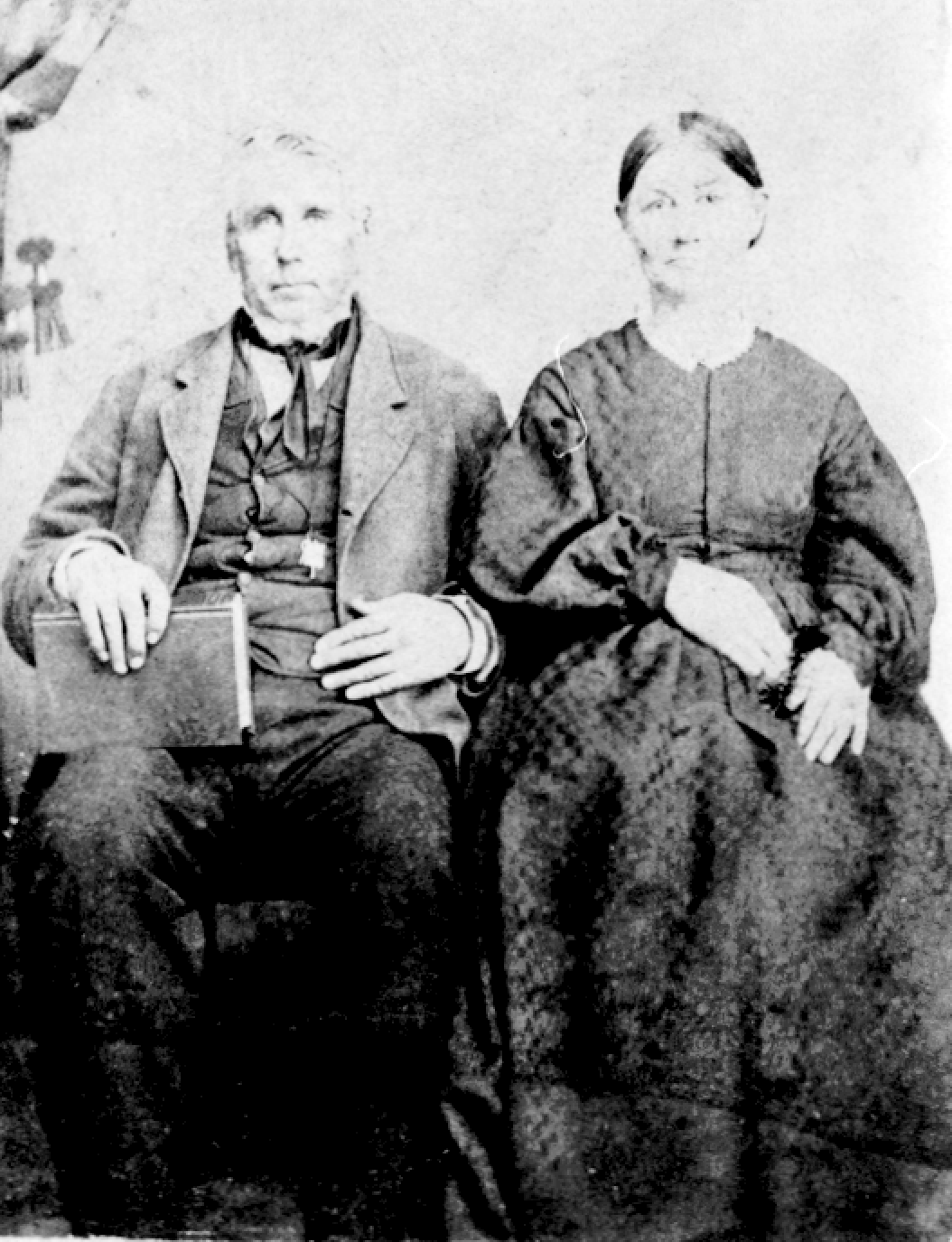
His wife Mary Elliott (April 1, 1771 – October 18, 1842) was the daughter of Captain James Elliott, a militia officer in the Revolutionary War from Rockbridge County. Mary was 28 and William was 29 when they married on June 20, 1799. Her father’s service record would later be used by their descendants for membership in the Daughters of the American Revolution.
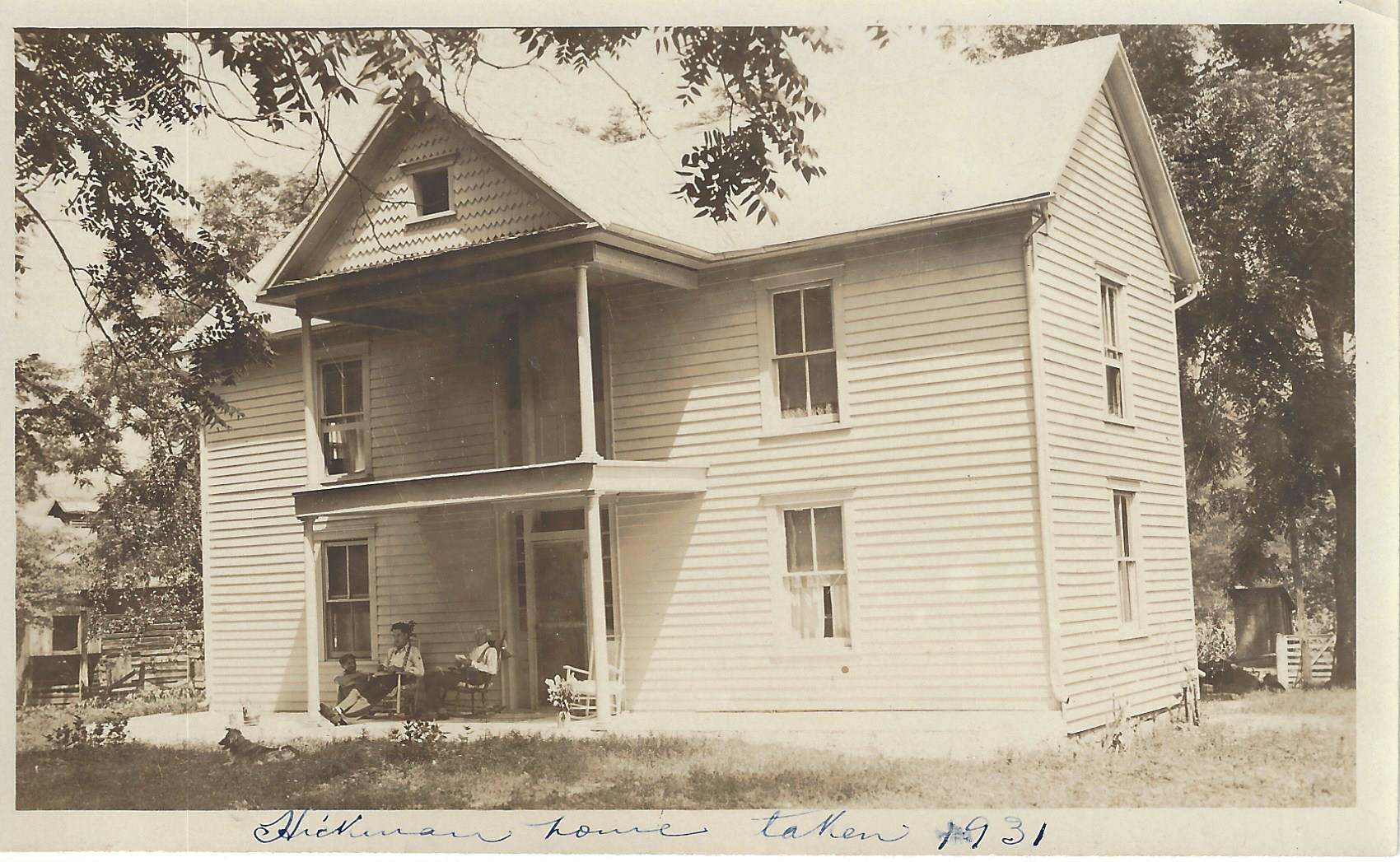
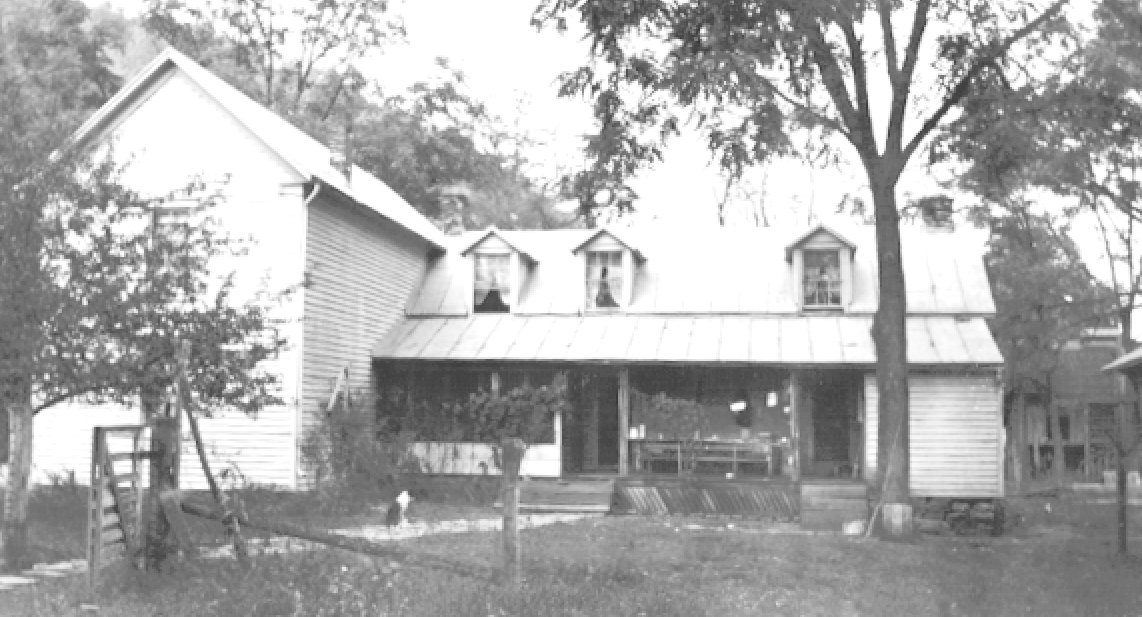
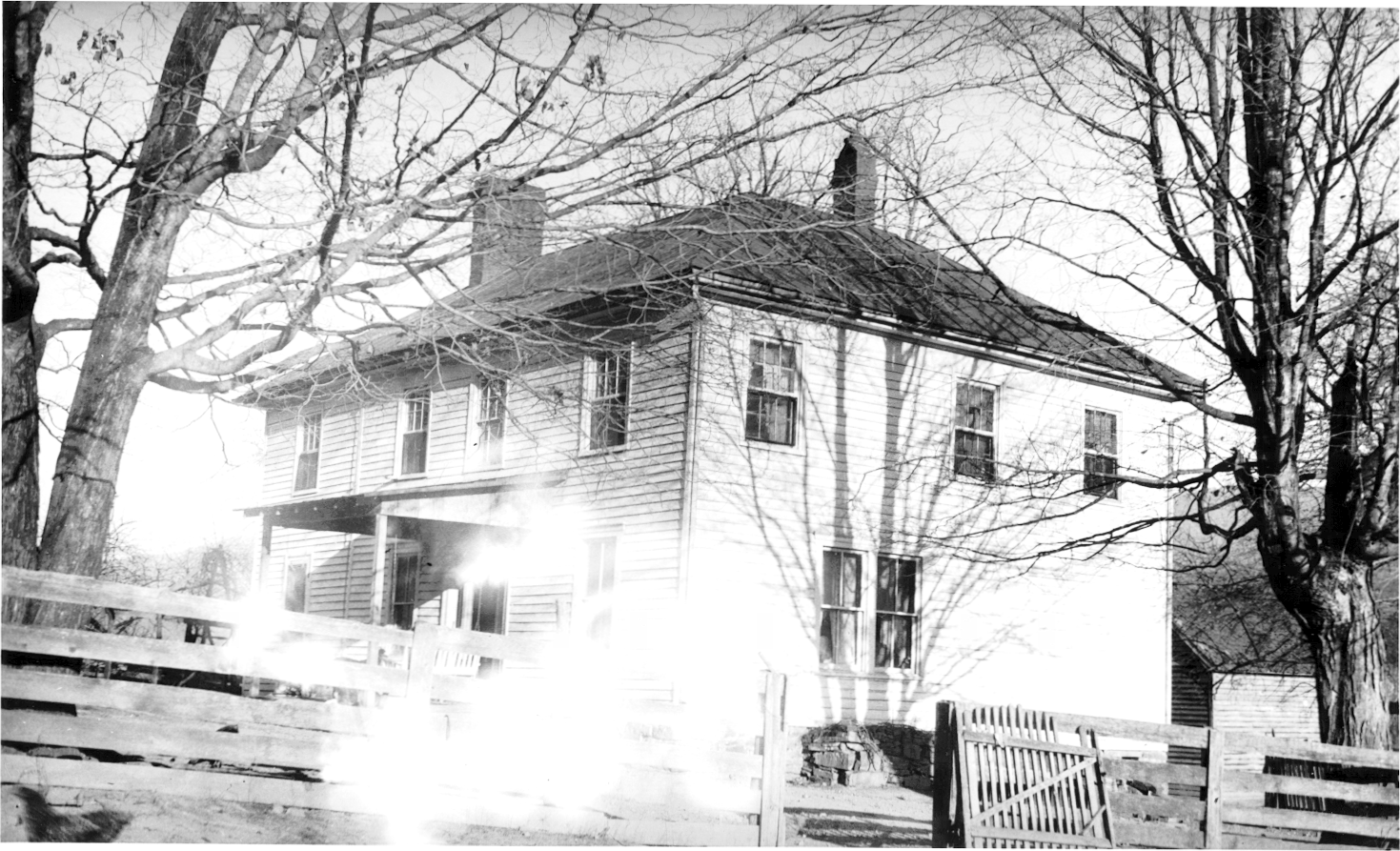
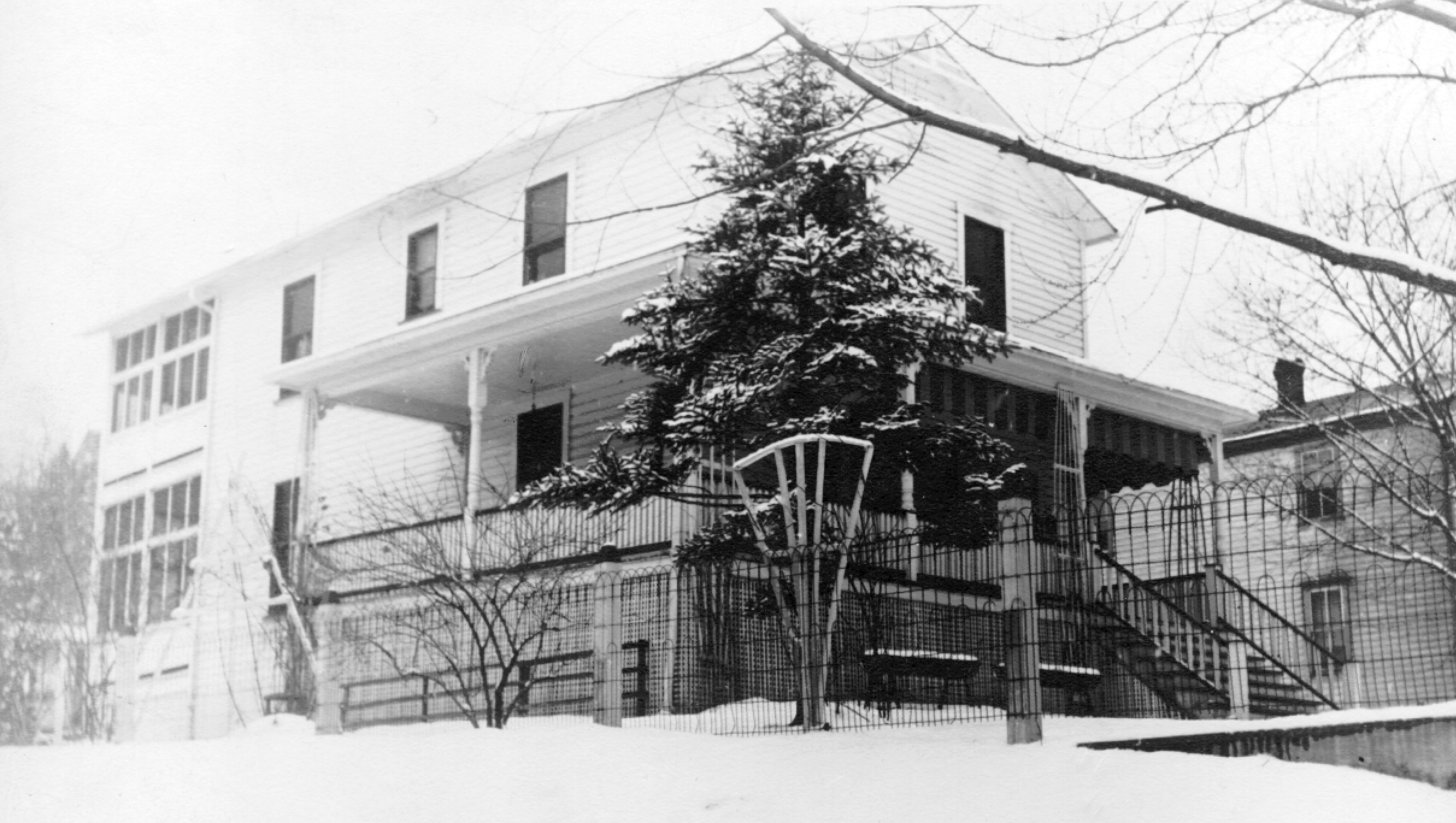
William was described by his grandson, the Methodist Bishop William Taylor, as “a mechanical genius of his times, utilizing wood, iron, and leather for all the purposes of his own farms.” According to family accounts, he built a water-power mill with his own hands, made guns and steel traps for catching bears and wolves, carved dulcimers and played them beautifully, and maintained an extensive apple orchard. The house he built for his bride — the house that became known as “Sunrise” — stood on Back Creek until about 1976 when it was torn down to make way for a dam.
William and Mary raised nine children, five of whom left Back Creek to seek their fortunes elsewhere. Their daughter Martha (“Patsy”) married Stuart Taylor, and their son William became the Methodist Bishop of Africa. Son William P. became a Presbyterian minister in southwestern Virginia. Daughter Huldah married Isaac Callison and moved to Illinois. Son Andrew Johnson moved progressively westward through Greenbrier and Nicholas counties. Son Arthur moved to Missouri. Only the youngest, Roger, stayed on the home place.
William owned slaves, including a woman named Sophia whose children he distributed among his own children in his 1843 will. Tax records show he maintained 5 to 8 horses and paid land taxes on the same 216 acres from 1807 through 1836. He died on October 25, 1843, a year after Mary, at the age of 73. His youngest son Roger inherited the family farm and expanded it to over 1,300 acres.
William Patton Hickman was born on February 23, 1810, on Back Creek, Bath County, Virginia, the seventh child of William Hickman (1770–1843) and Mary Elliott (1771–1842). He was born “William Hickman Jr.” — he adopted the middle name Patton in 1836 in memory of Elizabeth Howard Patton, the woman he loved who died of consumption in December 1834. She was the sister of his Washington College roommate, Dr. William Nicholas Patton.
In 1832, at age 22, William entered Washington College in Lexington, Virginia, to prepare for the Presbyterian ministry. He had a fellowship from the General Assembly of the Presbyterian Church to pay tuition, but relied on his family and the kindness of friends for room, board, clothing, and transportation. He earned both B.A. and M.A. degrees. In October 1839 he entered Union Theological Seminary at Hampden-Sydney, where he lived in a fourth-story room and survived largely on bread and tea. He was licensed to preach on April 23, 1842 and ordained an evangelist on November 12, 1842, at age 32.
William began as a home missionary in Pulaski County, southwestern Virginia, preaching at New Dublin Church, Walker’s Creek in Giles County, and Newbern. He married Margaret R. Hoge, niece of General James Hoge and daughter of John Hoge, an elder of New Dublin Presbyterian Church. They raised eight children on his “White Glade” farm in Pulaski County.
In May 1853 he became pastor dividing his time between Blacksburg and Bell Spring Presbyterian Church. He opened a female school at Blacksburg Academy in 1857, teaching 33 scholars, nine studying Latin. He resigned from Blacksburg in December 1860 after a painful incident involving the attack on his eldest daughter Eliza Jane by a church member. He continued as pastor of Bell Spring Church until his death.
William owned a slave named Jesse, inherited from his father’s 1843 will. His nephew William Taylor, the Methodist Bishop of Africa, published a pamphlet against slavery in England — a striking contrast within the same family.
On May 8, 1864, William spent his Sabbath with his family. The next morning, as a Montgomery County home guard company crossed Back Creek bound for the battlefield, the minister — wearing his high silk hat — picked up a gun and joined the guardsmen. His object was to minister to the wounded and dying, but seeing an invading army in his very neighborhood was more than his courageous spirit could stand, and he shouldered his musket and went into the thickest of the fight.
The battle pitted roughly 3,000 Confederate troops, militia, and home guards against 6,100 Union troops under General George Crook. Two future U.S. Presidents fought in the battle: Rutherford B. Hayes as brigade commander and William McKinley as a lieutenant in the 23rd Ohio.
William was defending a gun of the Ringold Battery alongside Lt. William H. Lipscomb and 29 men when he was shot. His last words: “Do your best, boys, my work is ended!” His son James Brown Hickman, just fifteen years old, was also wounded in the battle. William called to his stripling son to never mind him, but to fill his place in the ranks.
Union forces found William in civilian dress and considered him a bushwhacker, denying him medical attention. He lay on the battlefield Monday evening and all day Tuesday. Female friends were allowed to minister to him during the daytime but were driven away at night. On Wednesday morning, May 11, he was placed in an ambulance bound for Major Joseph Cloyd’s house. He died either en route or just after entering the yard, two days after the battle, at age 54.
48 letters from William P. Hickman survive in the archive, spanning 1833–1860, nearly all written to his brother Roger on Back Creek. Four editorial chapters cover his life in detail: William the Seminarian (Ch04), William the Country Preacher (Ch06), William P. Hickman — A New Start in Blacksburg (Ch12), and Civil War Years (Ch13). Bill Gabriel published a scholarly article on William P. in The Smithfield Review, Vol. III (1999).
Martha Elliott Hickman, known as “Patsy,” was the eldest child of William and Mary Hickman, born on Back Creek on August 28, 1800. She married Stuart Taylor (1796–1874) on March 30, 1820, and they settled in Rockbridge County, Virginia, near Cedar Grove Mills. Stuart was a tanner and farmer by trade who became a Methodist preacher.
Her son William Taylor later wrote of her: “My mother was mistress of the manufacture of all kinds of cloth known in her early life, plain and ornamental, and every department of the process, from the flax in the stalk and the wool on the sheep’s back to the perfect texture from the loom, and knew how to develop men and women to stand the wear and tear of life.”
Martha and Stuart raised eleven children: William, Mary Ann, Eliza Jane, James Stuart, Archibald, Rebecca Martha, Andrew Edward, Huldah Frances, Virginia Rachel, Christianna, and John Wesley. Several became Methodist preachers and missionaries. Their eldest son William Taylor became a missionary to California and later Bishop of Africa — arguably the most prominent position attained by any descendant of the Back Creek Hickmans.
The family was initially Presbyterian but converted to Methodism. Her brother William Hickman’s letters mention Patsy often — a fall from her horse in 1836 while “removing to the mountain,” news of new daughters, and dreams of a family reunion: “I should like for us all to meet there with our families. Andrew & his family, Patsy & her family… and have a family dinner; & a two or three days preaching.”
Dear Brother, I bid you good morning and hope you are all well as we find our Selves all to be. We are also enjoying the usual blessings of life and some of the comforts of Religion. We have been looking for you for some time in this country but have lookt in vain and we Suppose you have been looking for Some of us also but you of cours have been disapont.
We have been consulting what we had best be don with the little black girl Father left us and have concluded to let you keep her at the appraisment… It Seams hard to take her away from her mother and the famaly So young.
No news of importance her. Poleticks runs high and the love of many man caled but we hope theirs a better day a coming.
Plese remember us to Arthur and the family and receive the asurences of our esteem for you and yours.
Dear Brother Hickman, Your kind letter of the 23rd of February came safely to hand a few evenings ago and is now before me and affords me Some chere to know that you are all well and doing well and that you have been able to count No. Six even three Sons and three Daughters.
My Son Wm writes to me for Some tree Sugaer if it is in your power I would be glad if you could Send me 50 or 60 pounds of Such as is good and fair… Wm is sill enjoying good helth and labors hard and is well pleased with the country is vary anctious for us all to go out there.
Dear Uncle… give my best respects to Grand Father and Mother aunt Martha and all inquiring Friends. I remain your effectionate nephew, William H. Taylor
Stuart Taylor and Martha E. Hickman were united in marriage in 1819, and settled in Rockbridge County. They each had a sound, powerful constitution of body and mind. Their English school education was quite equal to the average of their day. Their practical common sense and energy were largely above the average… My father was by trade “a tanner and currier,” but had been brought up a farmer. He was a mechanical genius of his times… With his endowment of common sense he combined great sympathy for man, beasts, and birds.
Jane Elliott Hickman was the second child of William and Mary, born on Back Creek on January 27, 1802. She married William Bradshaw, a soldier in the War of 1812, on July 2, 1818. Jane died around 1841, and William followed in 1850.
They had at least seven children: Nancy Makemie, Matilda Margaret, Mary Jane, Huldah Hickman, Martha Ann, Senilda Ester, and Rebecca Frances. Their daughter Nancy married Isaac Vernon Hartman of Pocahontas County, whose descendants are well documented. No personal letters from Jane survive in the archive.
Arthur Hickman was born on Back Creek on May 24, 1803, the third child and first son of William and Mary. He married Rebecca Walker (1806–1879) on April 17, 1827. In 1848 he bought 540 acres on Glade Creek in Nicholas County, Virginia (now West Virginia), and eventually moved farther west to Missouri.
Arthur and Rebecca’s children included William W., Joseph M., James Payne, and Mary Matilda, who married Lewis P. McElwain. Their descendants spread across West Virginia, Kansas, Ohio, and Oklahoma. Arthur died on August 24, 1884, outliving his wife by five years.
James Elliott Hickman, who went by “Elliott,” was born on Back Creek on November 18, 1804. He married Elizabeth “Betsey” Hamilton (1812–c.1857) on August 12, 1830, and moved to Nicholas County in what became West Virginia.
Among their children were Mary Estelline, who married James H. Shawver and had eleven children, and Stuart Taylor Hickman, who married a woman with the magnificent name Maria Louisa Napoleon Josephine Bonaparte Powell. James Elliott’s descendants spread through the Shawver, Morrison, Baber, Henderson, and Groves families across West Virginia.

Huldah Shallum Hickman was born on Back Creek on September 5, 1806. She married Isaac Callison (1804–1880) on August 7, 1828. They left Virginia for the prairie, settling first in Vermilion County and then Fulton County, Illinois, near the town of St. Augustine.
Huldah’s letters home to Roger and Margaret on Back Creek are among the finest in the archive — vivid, literate, and aching with the distance between Illinois and Virginia. She describes 385 acres of rolling prairie, reports on Iowa land prices, and wrestles with the politics of slavery in neighboring Missouri. Isaac, for his part, wrote to Roger about the Pike’s Peak gold rush in 1859.
Their children included Mary Frances (who married William Golden and had ten children) and Cyrus Gatewood. The Callison descendants spread across Illinois, Iowa, and Kansas. A devastating chapter: four grandchildren in the Bond family died of diphtheria between December 1878 and March 1879.
Andrew Johnson Hickman was born on Back Creek on October 20, 1811. He married first Delilah S. Armentrout on November 20, 1834; she died on February 2, 1837. He then married Nancy Wallace (1813–?) on November 7, 1837.
Andrew moved progressively westward through Greenbrier and Nicholas counties, eventually settling as a farmer near Persinger, West Virginia, where he is buried. He and Nancy raised nine children: George Johnston, Eliza Jane, Mary Virginia, William Robert, Elizabeth Huldah, Andrew A., Sarah Agnes, Hetty Margaret, and Harvey Russell.
His son William Robert Hickman died in 1864 serving in the 22nd Virginia Infantry Regiment during the Civil War — one of several Hickman casualties across both sides of the conflict. His letters to Roger on Back Creek survive in the archive, including the earliest family letter (1833) and a vivid account of an arson that destroyed his grain on Sinking Creek.
Roger Hickman was born on July 20, 1813, in Bath County, Virginia, the son of William Hickman (1770–1843) and Mary Elliott (1771–1842). His father William was described as a “mechanical genius” who built a water-power mill with his own hands, made guns and steel traps for catching bears and wolves, carved dulcimers and played them beautifully, and maintained an extensive apple orchard. Mary Elliott was the daughter of Captain James Elliott, a militia officer in the Revolutionary War from Rockbridge County.
Roger married three times: first to Martha Ann Lockridge, daughter of Colonel Lanty Lockridge of Pocahontas County, on January 11, 1838. Martha died on May 25, 1843, leaving three children including an infant who died two weeks later. He then married Margaret Brown Campbell on March 12, 1846 — the daughter of Thomas and Elizabeth Campbell — who bore him nine children before her death on May 16, 1862. Finally he married Rebecca Ann Lowry on November 3, 1864, and they had six more children.
During the Civil War, Roger extracted saltpeter from a cave behind the Jenkins place on Back Creek. The nitrates were shipped out at night in great wagon trains, the horses’ hooves muffled with leather to avoid detection. The family hid their meat supply inside a hollow tree — a diamond-shaped wedge was cut into the trunk, the meat placed inside, and the wedge replaced to conceal it from foraging Yankee soldiers.
Roger was also a skilled craftsman. According to family accounts, he made the grandfather clock that stood in the hall at Sunrise, with all the gears carved from wood. He built furniture, musical instruments, and a dam across the creek (still known as “Dam Run”), and even worked on a perpetual motion machine — a gear wheel from it survived for decades. His son Peter Lightner Hickman (1858–1937) inherited the homestead and raised seven children there with Ollie Gertrude Lockridge — the generation whose extraordinary correspondence forms the heart of this archive.
The Hickman line on Back Creek traces back four generations before Roger:
Arthur’s brother Sotha Hickman (1748–1831) was a pioneer of Harrison County, West Virginia. He was captured by Indians on the Little Kanawha River and taken to Ohio, later escaping during a grand dance and traveling four days without food. He drank “rock oil” floating on the Hughes River to cure his sickness from overeating bear meat — an early encounter with petroleum. His gravestone at Haymond Cemetery, Quiet Dell, reads: “Va. Mil / Rev. War.”
Rev. William P. Hickman (Roger’s brother) was a Presbyterian minister “of unusual force and powers in the pulpit.” Though exempt from military duty, he volunteered with the Confederate home guard and fell at the Battle of Cloyd’s Mountain on May 9, 1864, mortally wounded in the body. His last words: “Do your best, boys, my work is ended!” He died two days later. His son James, just fifteen, was also wounded in the battle.

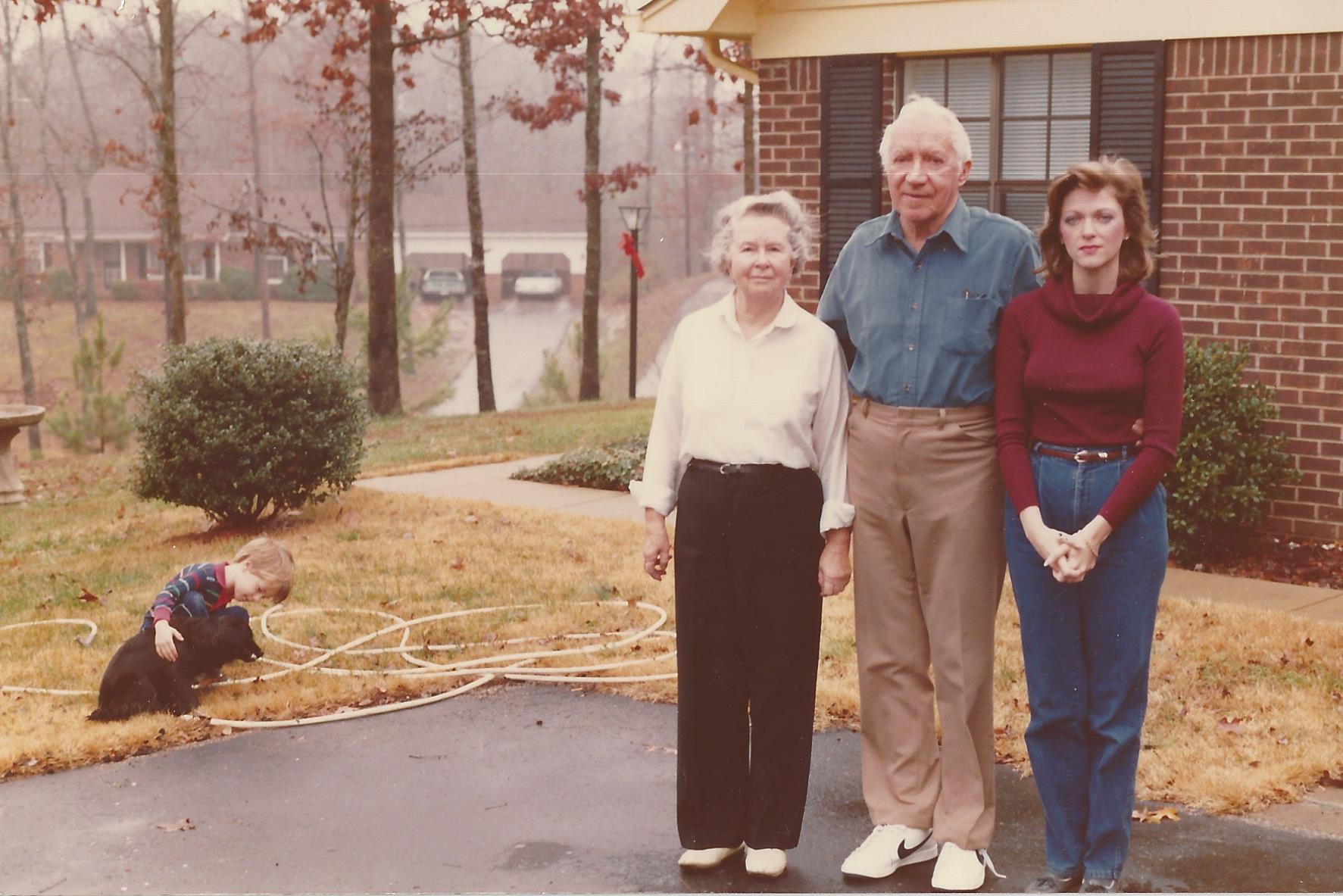
Julian K. “Pete” Hickman II was born in 1945, the son of Julian Kenneth Hickman and Neva Lee Martin. He grew up in Harrisonburg, Virginia, where his father practiced law and was active in Republican politics. Pete lost his father at the age of 19 when Julian died in October 1964.
Pete married first Ruth Bennett (daughter Amy), then Jean “Patti” Glenn, daughter of Jean and Francis Berkerly Glenn. With Patti he had three sons: Peter Lightner Hickman II, Ian Berkley Hickman, and Brendan Carlyle Hickman. He later married Cindy Hickman.

Jean Paxton Glenn was born on May 28, 1947 in Waynesboro, Virginia, in the Blue Ridge valley between the Blue Ridge and Allegheny mountains. She was named after her mother; her father, Francis Berkely Glenn, was superintendent of schools. She had an older sister Peggy and an older brother Burke (Francis Berkely Jr.), both significantly older — “Peggy graduated from college when I graduated from kindergarten, so I just don’t remember much of them because they were so much older. I just thought they were away at ‘cottage’ where ‘cottage cheese’ came from.”
Patti attended Jackson-Wilson Elementary, where her father had his office, and was an excellent student throughout school. A student teacher named Susan Copenhaver who boarded at the Glenn home inspired her to teach: “She let me help her make up games to play with the kids. I had the greatest time helping her, and so I decided that I wanted to become a teacher.” In high school she played in the marching band with her best friend Susan Griffith, who lived next door on Chestnut Avenue.
She was admitted early decision to the College of William and Mary, graduating in the spring of 1969. Her first teaching job was at Matthew F. Morey Elementary in inner-city Richmond — a difficult assignment with serious poverty and discipline challenges that tested her but ultimately forged her as a teacher. She earned a master’s degree from Virginia Commonwealth University while teaching.
In 1971 she was selected for an exchange teaching program in England, teaching first-graders at a Church of England school in Evercreech, near Shepton Mallet in Somerset. She shipped her beloved yellow Volkswagen convertible “Quincy” across the Atlantic and spent the year traveling — Portugal at Christmas, Ireland at Easter, Scandinavia in the summer. It was during this time that Pete Hickman flew to Denmark to meet her, and they traveled through Germany and Paris to England, where he proposed in a pub. “I sent my parents a telegram the next day.”
They married at her parents’ house in Waynesboro, honeymooned at the Ivy Cottage Inn in Hot Springs, Virginia, and settled in Richmond on Forest Hill Avenue. Patti taught at Patrick Henry Elementary while raising three sons: Peter, Ian, and Brendan. “That was the favorite time of my life, when you guys were little. That is the best thing I have ever done; to be your mom.”
After her marriage ended in 1988, Patti faced the loss of both parents in quick succession — her father to a stroke in April 1989, her mother to cancer three weeks later. She moved back to Waynesboro and carried on. “In a way it was good, because for once I was in charge. I was having to do all of this and take care of you guys and I had to be the strong one, and that made me a much stronger person I think.”

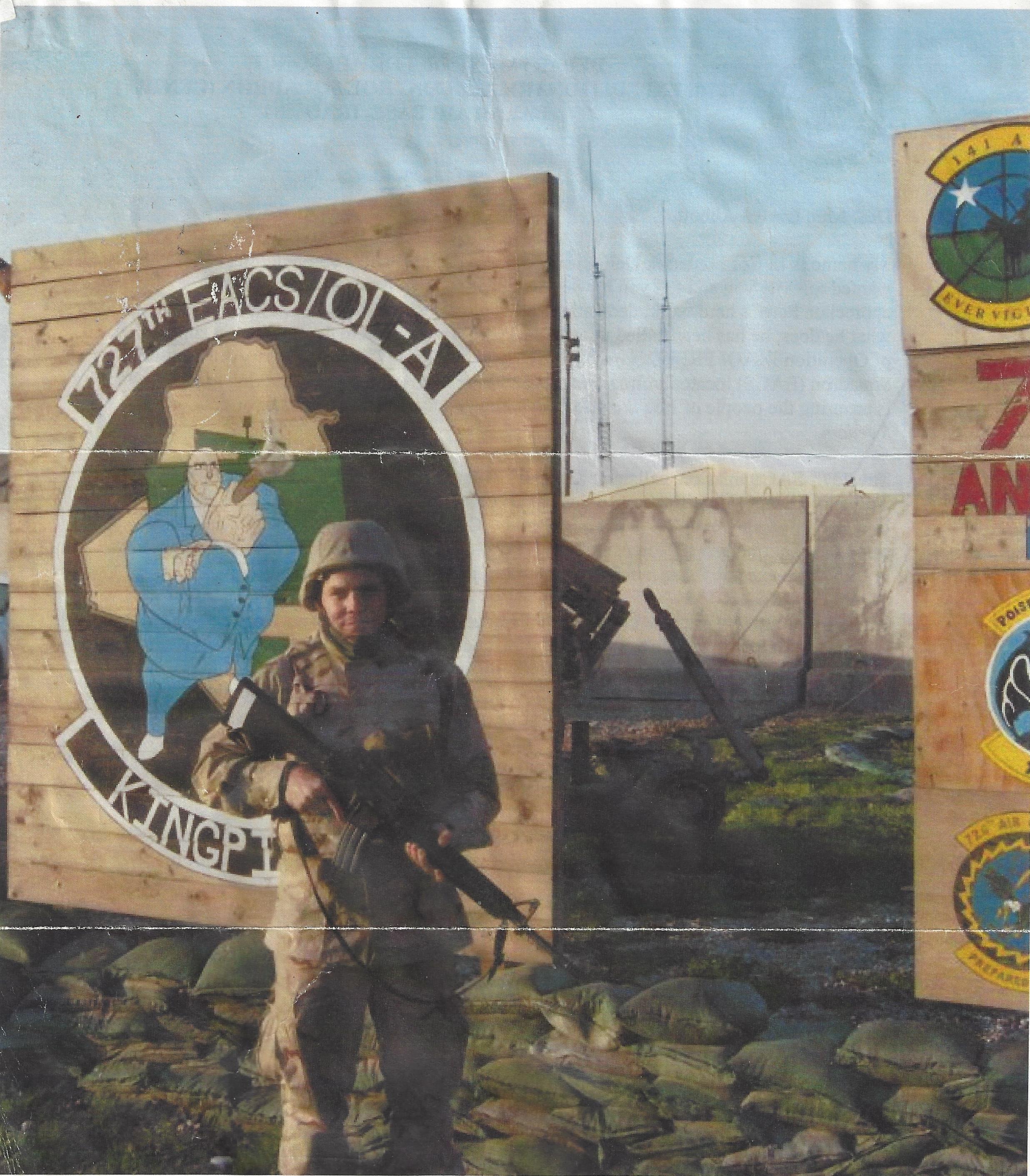
Peter Lightner Hickman II is the eldest son of Julian K. “Pete” Hickman II and Jean “Patti” Glenn, and a grandson of Julian Kenneth Hickman. He graduated from the University of Oregon in 2002 and served as an officer in the U.S. Air Force with two combat deployments: to Kirkuk, Iraq in 2007 and to Al Dhafra Air Base, UAE in 2014, where he participated in the opening months of Operation Inherent Resolve and defense of the Arabian Gulf. He earned a PhD in political science from Arizona State University in 2014, with teaching and research covering national security, intelligence, and terrorism.
Peter married Evelyn Abbott on December 28, 2004. They have two daughters, Sara Ollie and Hanna Claire, and have lived in Phoenix, Mexico Beach, Tacoma, and Washington, DC. After Bill Gabriel’s death in April 2020, Peter inherited the family archive — boxes of photographs, letters, books, and artifacts spanning two centuries. He drove cross-country to Montana, spread Bill’s ashes at Grand Teton National Park overlooking Spread Creek, and began the work of digitizing and preserving what Bill had assembled. This website is the result of that effort.
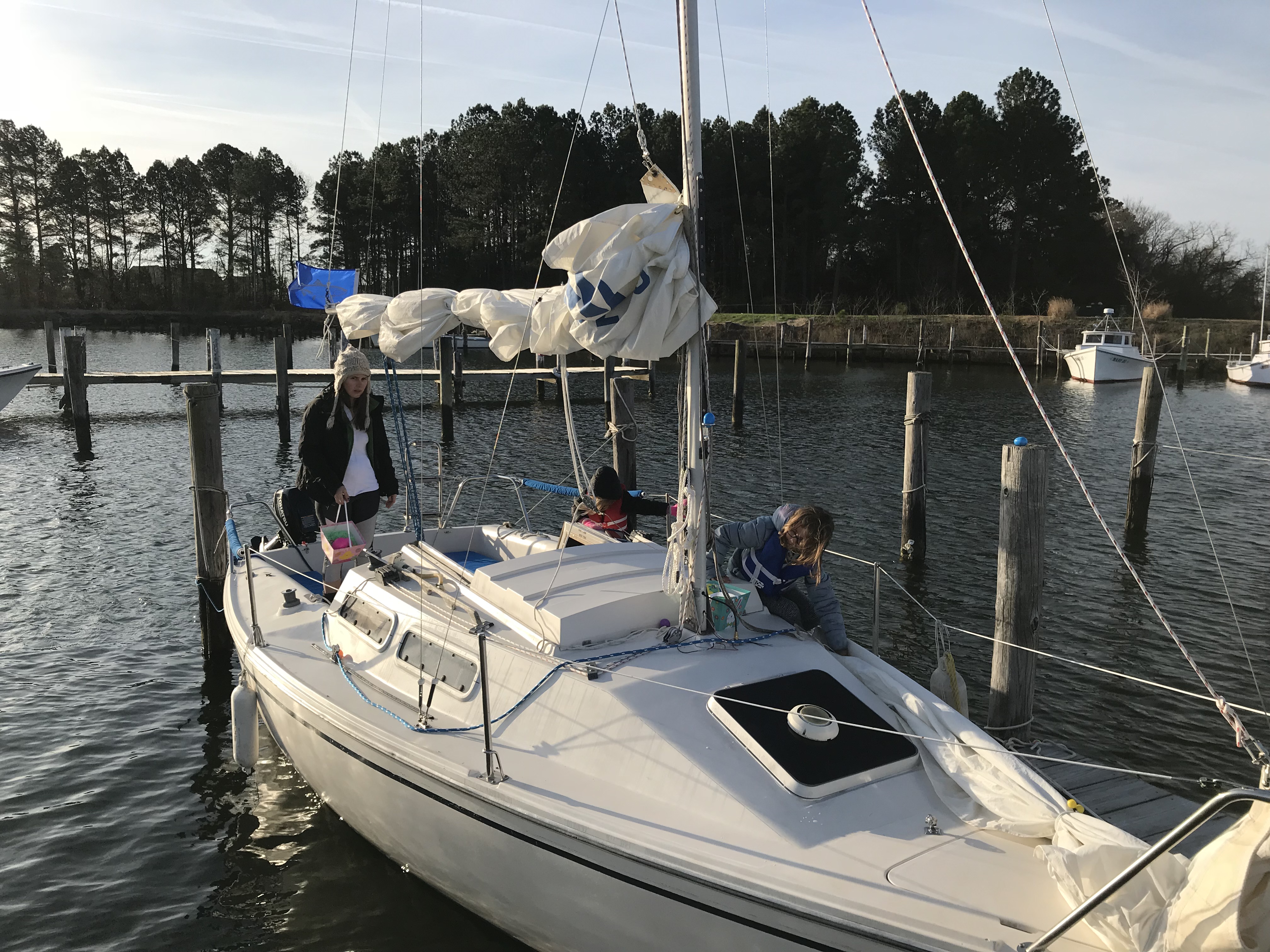
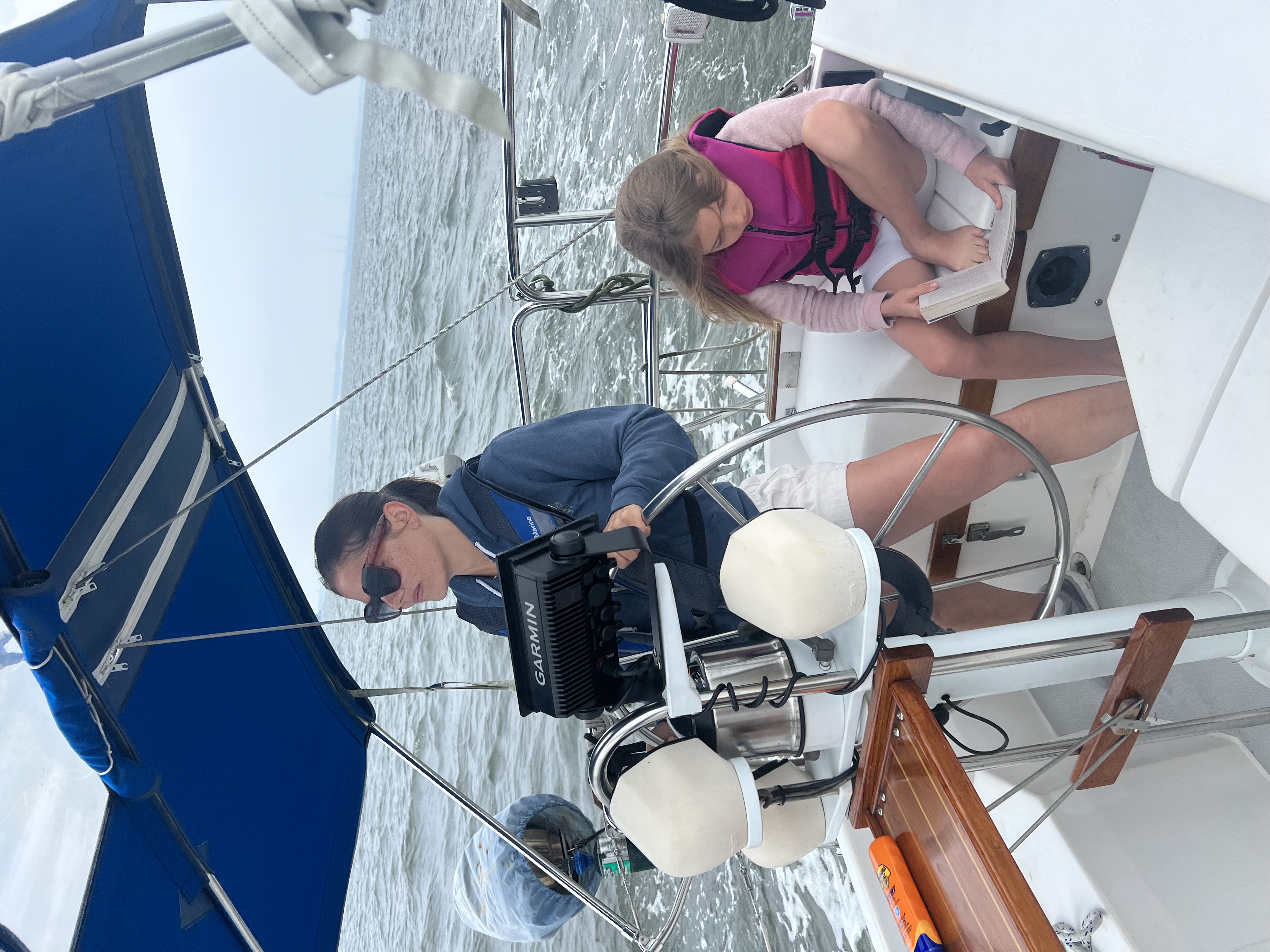
Peter and Evelyn are sailors. Between 2017 and 2025 they sailed four boats on the Chesapeake Bay and Puget Sound, logging 94 passages. They learned on Indecision, a Starwind 22, and within a year had upgraded and were cruising the full length of the Chesapeake.
Their biggest early voyage came at Easter 2018 aboard Indecision — from Dare Marina up to Mobjack Bay, the Severn Yachting Center, and Yorktown. On the way home, they nearly came to grief taking a shortcut past Goodwin Islands through a strait known as the “graveyard of the Chesapeake.” Later that year, aboard Sea Breeze, they made their first crossing of the Chesapeake from Salt Ponds to Cape Charles.
In 2019 they sailed the Chesapeake Expedition aboard Sea Breeze — seven days and 192 nautical miles from Hampton, Virginia to Deale, Maryland, with stops at Point Lookout, Solomons Island, and Flag Harbor. 2020 was their most active season with 38 passages, cruising from Baltimore’s Inner Harbor to Oxford and St. Michaels on the Eastern Shore. On the Chesapeake they sailed out of Salt Ponds, Herrington Harbor, and Annapolis; on Puget Sound they sailed from Tacoma to Gig Harbor, Boston Harbor, and Olympia.
Peter and Evelyn are rock climbers with 184 logged routes across 10 states from 2007 to 2024, climbing sport, trad, and alpine up to 5.11b. They cut their teeth in the Arizona desert and Red Rocks before moving to the Pacific Northwest. Notable ascents include:
Also climbed at Smith Rock (OR), Joshua Tree (CA), Elizabeth Furnace (VA), Great Falls (VA), the Gunks (NY), Cherokee Rock Village (AL), and the Sedona towers (AZ).
Peter is a distance runner — sometimes joined by Evelyn, who ran track at Centreville High School in Centreville, Virginia and for one year at James Madison University. Together they have logged 21 races over 15 years, including four ultramarathons. Peter’s marathon PR is 3:23:47, set at the Eugene Marathon in May 2013 — part of a remarkable 2013 season that included seven races, a 50-miler, and Vancouver just two days after Eugene.
| Race | Distance | Time | Date |
|---|---|---|---|
| Whiskey Row | 26.2 | 4:11:51 | May 2010 |
| Georgia | 26.2 | 3:55:06 | Mar 2011 |
| Mt. Lemmon | 26.2 | 4:34:33 | Oct 2011 |
| Portland | 26.2 | 3:41:00 | Oct 2012 |
| Orcas Island | 50K | 7:15:25 | Feb 2013 |
| Eugene ★ | 26.2 | 3:23:47 | May 2013 |
| Vancouver | 26.2 | 3:29:26 | May 7, 2013 |
| Rainier to Ruston | 50 mi | 9:38:42 | Jun 2013 |
| Flagstaff | 26.2 | 4:42:40 | Sep 2013 |
| Portland | 26.2 | 3:28:15 | Oct 2013 |
| Seattle | 26.2 | 3:45:16 | Dec 2013 |
| Seattle | 26.2 | 3:36:24 | Nov 30, 2014 |
| Deception Pass | 50K | 5:49:21 | Dec 14, 2014 |
| Montgomery | 26.2 | 3:37:31 | Mar 15, 2015 |
| Atlanta | 26.2 | 4:40:00 | Mar 22, 2015 |
| Tacoma | 26.2 | 3:42:49 | May 3, 2015 |
| Rainier to Ruston (R2R) | 50 mi | 9:34:00 | Jun 6, 2015 |
| Richmond | 26.2 | 4:03:32 | Nov 11, 2017 |
| Marine Corps | 26.2 | 4:03:59 | Oct 27, 2019 |
| B&A | 26.2 | 3:39:36 | Mar 26, 2023 |
| Rainier to Ruston | 50 mi | 10:52:18 | Jun 7, 2025 |

Neva Lee Martin was born in 1910 and married Julian Kenneth Hickman in 1937 in Harrisonburg, Virginia. Together they raised two children: Neva Martin and Julian K. “Pete” Hickman II
After Julian’s death in 1964 at just 53 years old, Neva later married Stanley Strong, though the marriage ended in divorce. She was known to her grandchildren as “Bubbo” and remained close to the family throughout her long life. The bassinet that she, Julian, and others used as babies was passed down and used by Pete’s children Ollie and Hanna in the 2010s.

Henmar Ruskin “Gabe” Gabriel was born January 31, 1936, in Wilmington, Delaware, the younger son of Ruth Hickman Gabriel and Hermann William Gabriel Jr. Named after his father (Henmar = HERmann + herMAN reversed), he chose to go by “Gabe” throughout his life. At a very young age, Gabe, his brother Bill, and mother Ruth moved to Richmond, Virginia, where much of the Hickman and Gabriel families formed a village of support through his formative years.
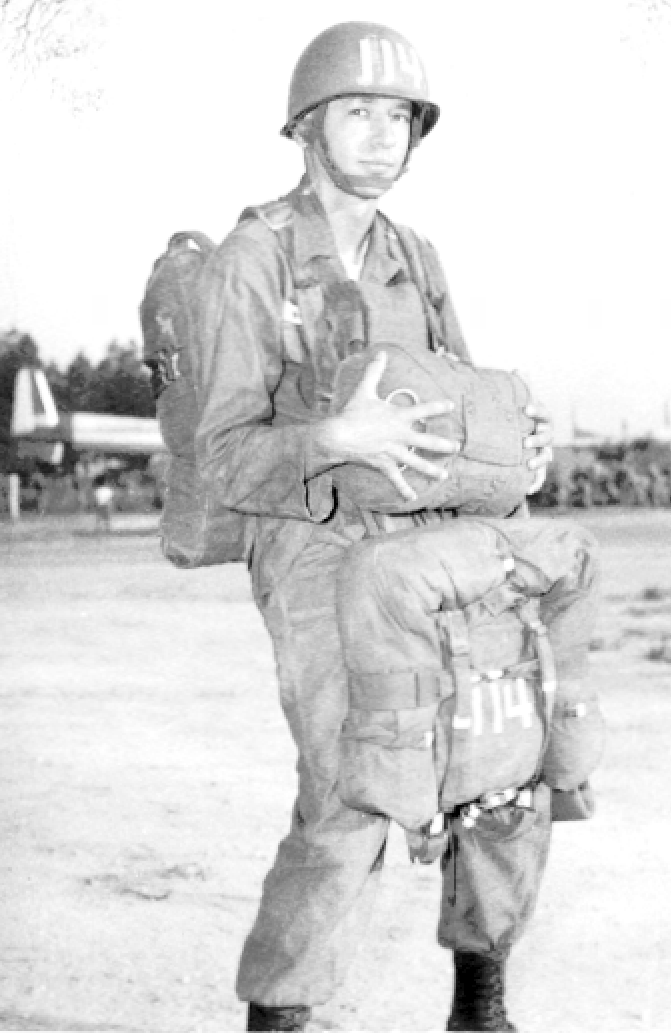
Gabe graduated from Thomas Jefferson High School in 1954 and spent two years at Virginia Polytechnic Institute before enlisting in the Army in April 1956. He earned his jump wings as an E-2, and his First Sergeant recommended him for a Service-Connected nomination to West Point. At the academy he was a member of Company D-1, established the West Point Parachute Team, served as a cheerleader, and finished in the top quarter of the Class of 1961—all while being one of the “old men” of the class.
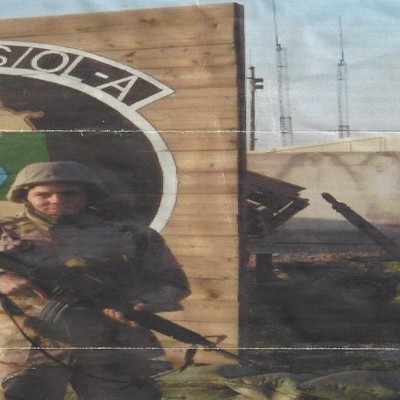
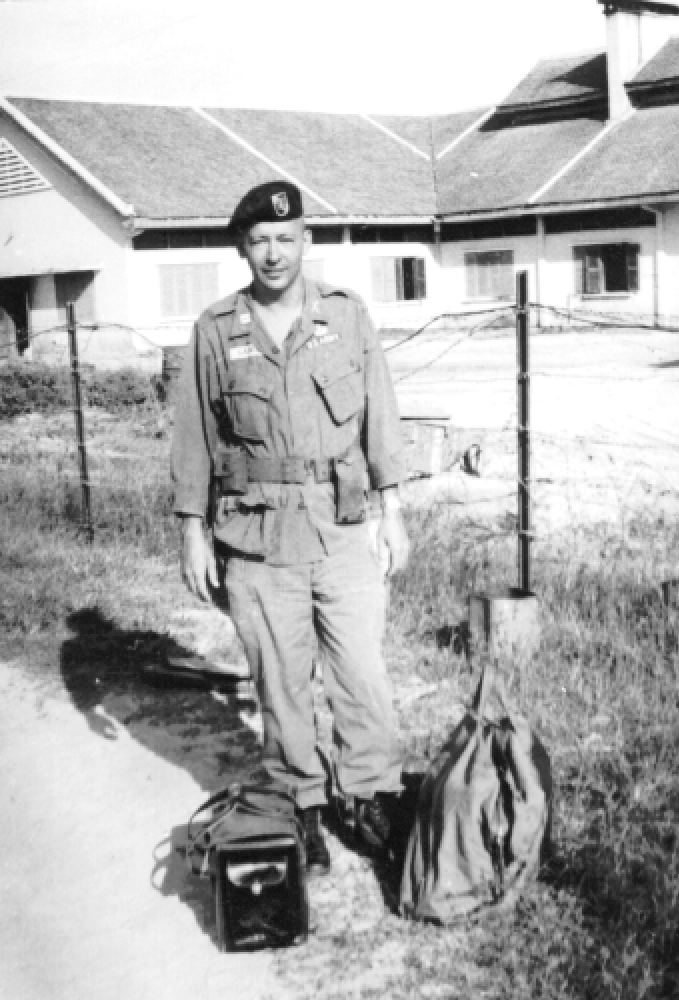
His first assignment was with the 504th Airborne Battle Group in Mainz, Germany. He then served at Bad Tölz as Executive Officer and Commanding Officer of an A Detachment, 10th Special Forces Group (Airborne)—a Green Beret weapons expert. His first Vietnam tour took him to Dong Ba Thin with the 5th Special Forces Group (Airborne) as B Detachment S4/S1. After commanding the 3rd Training Regiment at Fort Benning and completing the Infantry Officer Advanced Course, he earned a Master of Science in Industrial Engineering (Operations Research) at Arizona State University.
His second Vietnam tour was at Quang Tri as Battalion Operations Officer and Brigade Intelligence Officer, 1st Brigade, 5th Infantry Division. During his two tours he was awarded two Bronze Stars, two Air Medals, the Combat Infantryman Badge, and two Meritorious Service Medals.
In 1970 Gabe and family moved to West Point, where he became an Instructor and Associate Professor of Math and Computer Science. He then attended the Armed Forces Staff College in Norfolk, followed by the Pentagon, where he served as Deputy Chief of the Operations Division at the Computer System Support and Evaluation Agency, and later as Director of Force Accounting in Direct Support Operations under the Deputy Chief of Staff for Operations. His final assignment was as Management Information System Officer with the 173rd Infantry Brigade at Fort Richardson, Alaska. He retired in 1981 as a Lieutenant Colonel after 20 years of active duty plus his pre-West Point service.
After the Army, Gabe built a successful career in information systems: Management Systems Officer at Wien Air Alaska, Manager of the Information Center for the City of Anchorage, Manager of Planning and Control for Information Technology at Saudi Arabian Airlines in Jeddah, and finally as an independent consultant.
An avid runner during the 1970s and ’80s, Gabe ran many marathons each year, always qualifying for the Boston Marathon through the New York Marathon. In 1988 he and Bill floated the Colorado River through the Grand Canyon together, and in 1989 they hiked Hell’s Canyon in Idaho with llamas. Despite a demanding career with many duty stations and deployments, Gabe always made time for his boys’ soccer teams, family runs, and skiing.
Gabe met Susan “Susie” Cochran in 1989 in Dallas and they married the following year. He embraced Texas life and became West Point’s representative for North Texas admissions, mentoring future cadets through their academy years and into their military deployments. He also had a love of computer technology, gardening, and was well known for his tongue-in-cheek puns.
Gabe passed away on July 20, 2021, in Dallas, Texas, at the age of 85, due to complications from Alzheimer’s disease. He is buried at West Point. He was survived by his wife of 31 years, Susan Moore Gabriel; sons Bill (Susan) Gabriel and Paul Gabriel; stepchildren Trey (Amy) Cochran, Richard (Pam) Cochran, and Carol (Scott) Davis; and numerous grandchildren. In heaven he joined his brother Bill Gabriel and granddaughter Danielle Gabriel.
“I am often asked if I ever thought about quitting West Point. My answer is always, ‘No, I was given a gift and I was not going to let anyone take it from me.’”
— Henmar “Gabe” Gabriel, West Point Class of 1961 memorial

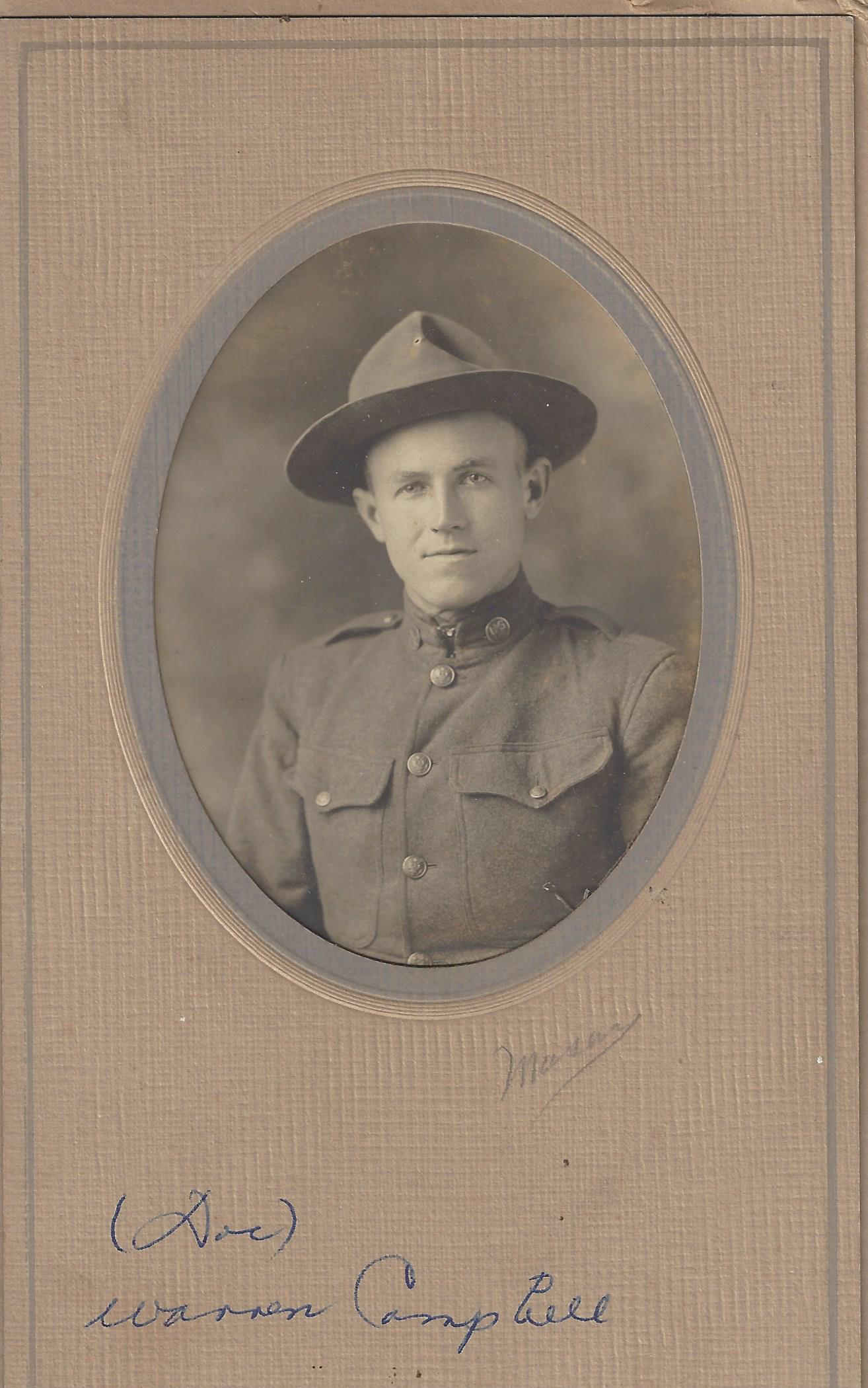
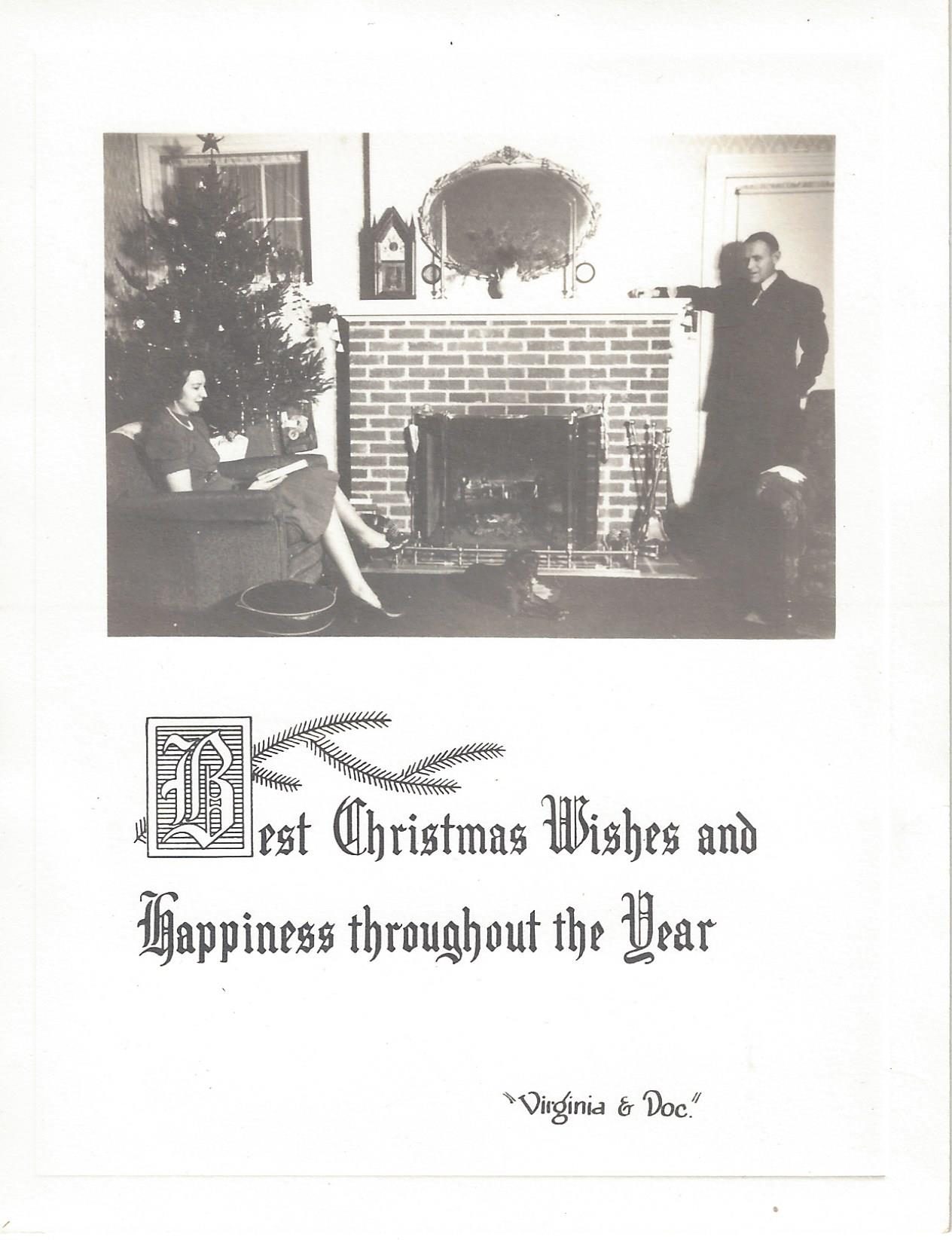
Warren “Doc” Campbell married Ollie Virginia “Virge” Hickman in 1927. Before their marriage, Doc served in World War I with the 116th Infantry Regiment at Camp McClellan, Alabama, writing home to his mother in a series of letters dated from January through June 1918. These handwritten letters survive in the family archive, though the ornate early-20th-century cursive is nearly impossible to transcribe.
Doc and Virge lived in Richmond and Monterey, Virginia. After Ollie Hickman moved to Richmond following Peter’s death in 1937, she lived with the Campbells. Doc helped arrange Ollie’s C&O Railroad passes for her trips back to Virginia and Ohio. He and Virge were central to the family’s Richmond life for decades, and Virge was appointed executrix of Ollie’s will in 1959.

Hermann William Gabriel Jr. was born in 1910 and married Ruth Gertrude Hickman in 1933. Together they had two sons: Herman William “Bill” Gabriel III (1933) and Henmar Ruskin “Gabe” Gabriel (1936).
The marriage eventually ended, and Ruth later married Edward Hardy in 1969. Hermann died in 1972. His sons went on to distinguished careers — Bill as a forester, wildlife biologist, and the family’s great historian, and Gabe in the military. Hermann’s name lives on through his sons and the unusual naming convention: “Henmar” was created by rearranging the letters of Hermann and Herman.

Neva Martin Hickman was born in 1939, the elder child and only daughter of Julian Kenneth Hickman and Neva Lee Martin. She was named after her mother. Neva married Thomas Mudd on October 29, 1960, and together they had three daughters: Victoria Scott “Vicki” Mudd, Kami DeSalle Mudd, and Emily Thomas Mudd. She later married Stanley Strong, though that marriage ended in divorce.
After her father Julian’s death in 1964, Neva remained close to the Virginia family. She held a collection of family papers and documents from her mother’s side, which Peter L. Hickman II collected from her daughter Cammy Mudd Louth in 2020, adding them to the growing family archive.

Victoria Scott “Vicki” Charbonneau (née Mudd) is the daughter of Neva Martin Hickman and Thomas Mudd. She adopted two children through the foster care system in Virginia and later married Kit Charbonneau. She is part of the eighth generation descended from the Back Creek Hickmans through her mother’s line.
In 2000, Victoria left her home in Richmond, Virginia to travel to Kazakhstan with a desire to help other people. While visiting the city of Taraz, her heart broke for the 180 children she visited in an orphanage. “I really thought it was a one-time thing,” she said. “I thought I might fall in love with one child and adopt that one child. I fell in love with 180 kids.”
Determined to put her Christian faith into action, she set out to make a difference in the lives of these children. She began fundraising in the U.S. to purchase coats, boots, clothing, and even a prosthetic eye that one of the children in the orphanage needed. Every year after that, she went back.
Victoria was moved by the reality that a high percentage of orphans eventually turn to a life of crime, alcohol and substance abuse, and prostitution. She founded a home for single mothers and children with disabilities. In July 2013, a single mother named Natasha and her five-year-old son became the first residents of the newly established home.
Natasha had an unrepaired cleft palate and severe scoliosis. She was always laboring for her next breath. Through Victoria’s loving efforts, Natasha was able to get her much-needed operation, which was generously donated by the doctors and staff of Chippenham Hospital in her hometown of Richmond, Virginia.
In the following month, the director of the orphanage asked Victoria if she would be willing to receive girls who had become too old to remain at the orphanage. These girls joined the home, which was quickly filling up. Through expanding partnerships with American doctors, other children were also able to receive much-needed operations.
In June 2014, Victoria purchased a larger home to help more people. In 2015, she founded the non-profit organization Caring Heart, registering as a Kazakhstan Public Fund. Caring Heart provides a day program for the children of former orphans while the parents are working. From this, the organization developed a small sewing project to provide a trade for the mothers to learn.
Today, Caring Heart is home to three mothers, one adult orphan, and 14 children. During the daytime, Caring Heart receives 39 children and feeds approximately 65 people at lunch time. Twenty-three women work there, including 10 single mothers. Caring Heart also employs nine teachers who help the children with their homework, as they learn the alphabets in three languages and develop their motor skills.
Children’s Hospital of Philadelphia provided pro bono medical services to a four-year-old child who had an aggressive tumor removed from her arm.
In March 2014, Victoria began to encounter problems with local authorities. She was asked to come to the Immigration Police several times, routinely interrogated, and even threatened with jail. She was fined $400 for “being kind on the wrong kind of visa.”
In November 2018, Victoria was finally granted permanent residence after applying for several years. However, one month later, the Immigration Police summoned her and asked her to fill out another application for permanent residence. A sympathetic immigration officer pulled Victoria aside and told her that they were instructed to look for anything they could find in order to revoke her permanent residency.
On April 29, 2019, she was again summoned to the Immigration Police, who accused her of providing misleading information by incorrectly answering a question about whether she had previously applied for permanent residency — a mistake made by the Kazakhstan attorney who assisted her in filling out the form. Using this as justification, the immigration officer seized her permanent residence card. Victoria was then summoned to court, given deportation orders, and allowed five days to leave the country.
Despite these obstacles, Victoria has continued her work in Kazakhstan, driven by the same compassion that first brought her to Taraz in 2000.

Anne Maudine Hickman was the daughter of Roger Lockridge “Roge” Hickman, the eldest child of Peter and Ollie Hickman. After Roger moved to Arkansas and married Nellie Shaw, Anne Maudine grew up far from the Virginia home country of Back Creek.
She married Heinrich Luecke. Though the Hickman siblings maintained their bonds across the distances, Roger’s branch of the family was the most geographically separated, making Anne Maudine’s connections to the broader family less frequent but no less valued.

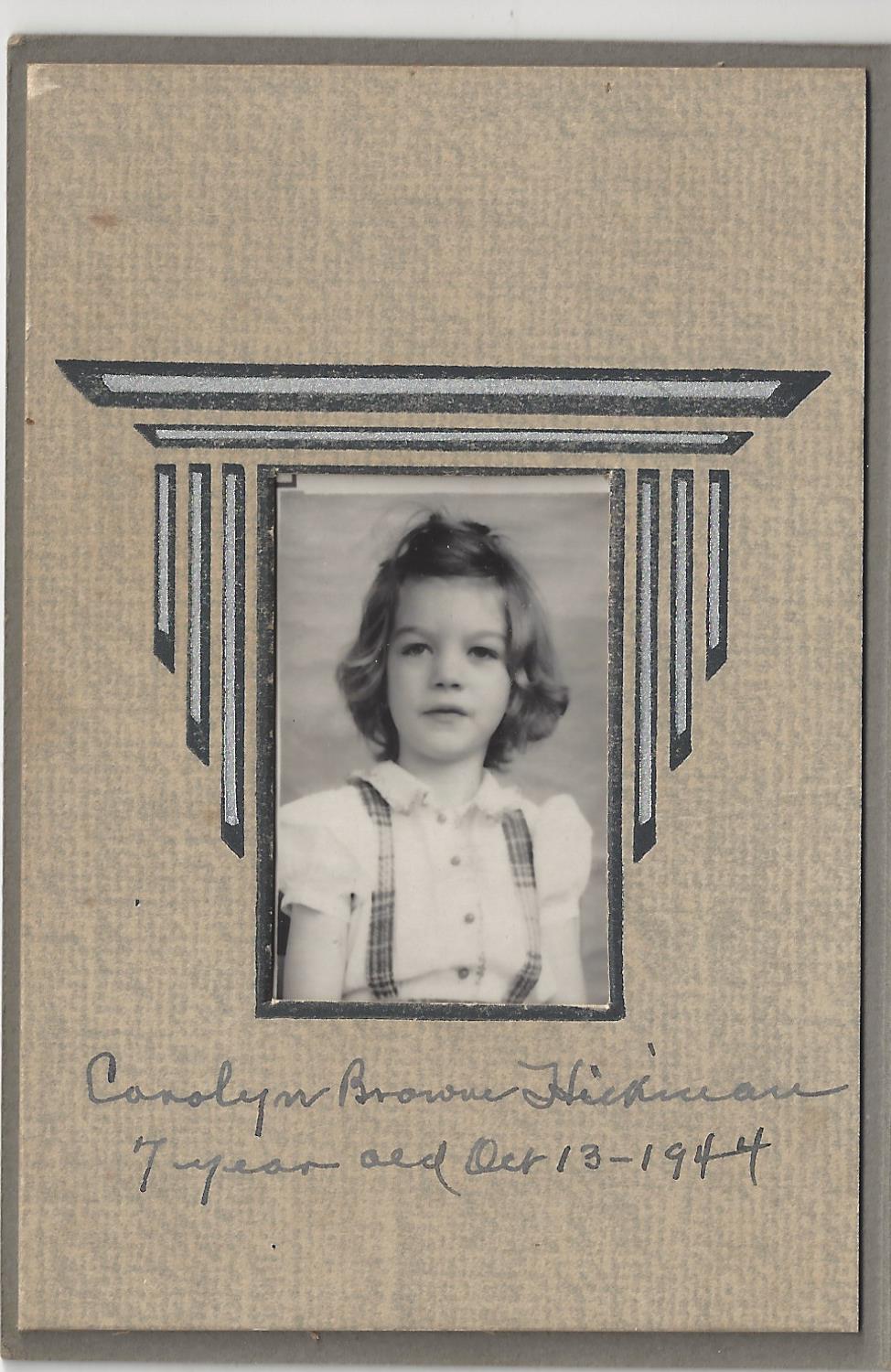
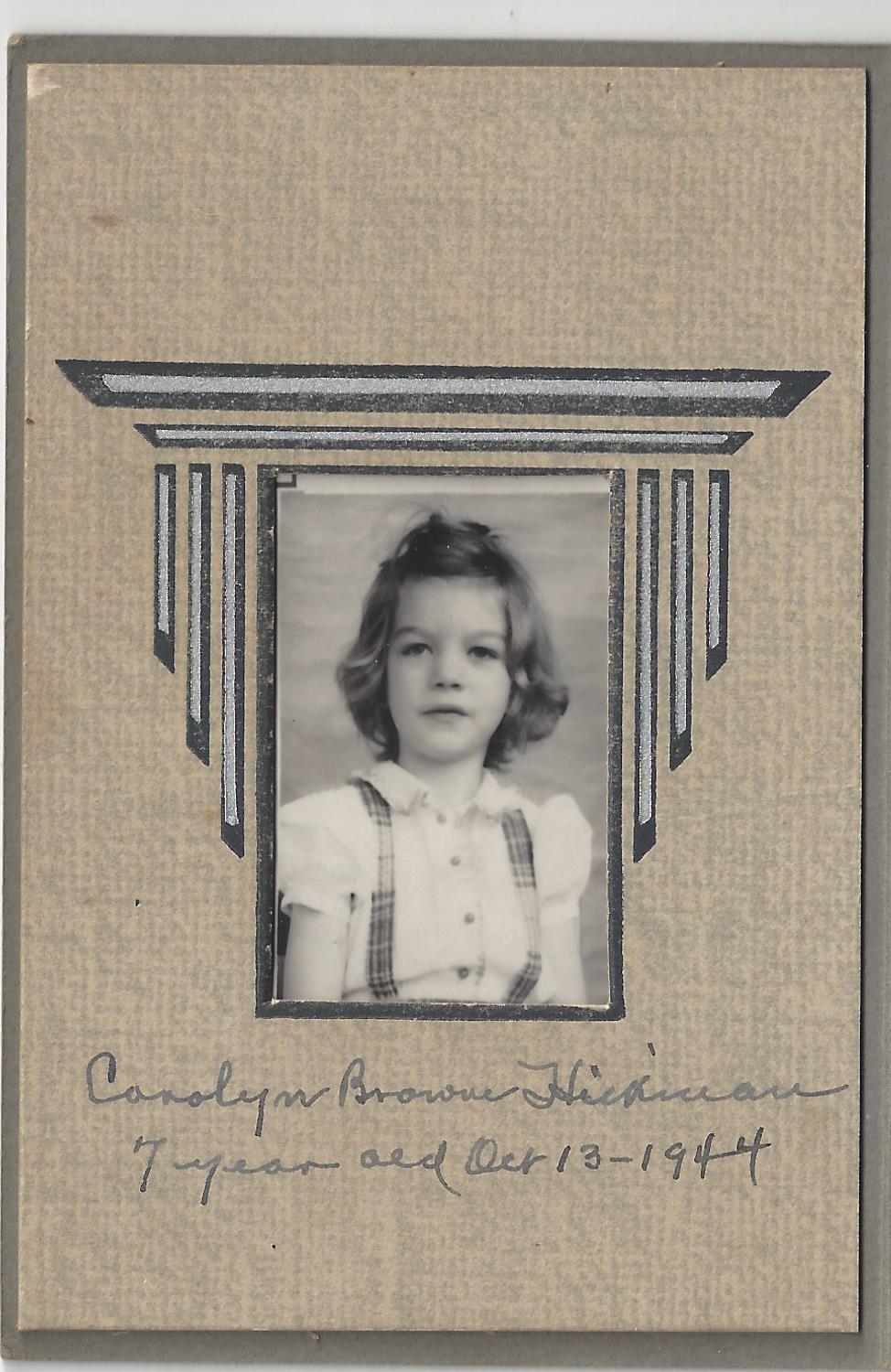
Carolyn Brown Hickman was born in 1937 in Staunton, Virginia, the eldest daughter of Clare Brown Hickman and Juanita Rohr. She grew up in Staunton, where her father Clare was known as the family’s authority on genealogy and local history.
Carolyn married Gilbert Paris Bowman Jr. and settled in Richmond, Virginia. They had two sons: Lance and Derek Bowman. Through her father Clare’s close collaboration with Bill Gabriel on the family history project, Carolyn was connected to the broader effort of preserving the Hickman heritage.

Dianne Courtney Hickman is the daughter of Harry Herman Hickman, the youngest of Peter and Ollie’s seven children, and his wife Virginia Jefferson. She grew up in Tennessee, where Harry had settled after his World War II service.
Dianne married Charles Mason on August 14, 1971. Through her father Harry, she connects to the Back Creek Hickman heritage, though like Roger’s Arkansas branch, Harry’s Tennessee family lived at a distance from the Virginia roots.

Ralph Herman Hickman is the son of Harry Herman Hickman and Virginia Jefferson. Named after his grandfather’s generation’s tradition of strong family names, Ralph grew up in Tennessee.
He married Lanora “Nora” Covington in July 1996. They have one son, Jeffrey Philip Hickman, continuing the Hickman line through Harry’s branch.

Kathleen “Jimmie” Hickman was born in 1939, the second daughter of Clare Brown Hickman and Juanita Rohr. She grew up in Staunton, Virginia, where her father was known as the family’s authority on genealogy and local history.
Jimmie married Charles Edwards. Her daughter Ashley Hickman Edwards carries on the family name. Through her father Clare’s decades of collaboration with Bill Gabriel, the Staunton branch was deeply connected to the preservation of Hickman family history.

Ian Berkley Hickman is the second son of Julian K. “Pete” Hickman II and his second wife Jean “Patti” Glenn. Along with his siblings Peter Lightner Hickman II and Brendan Carlyle Hickman, Ian is part of the eighth generation of Hickmans descended from the Back Creek line.

Brendan Carlyle Hickman is the youngest son of Julian K. “Pete” Hickman II and his second wife Jean “Patti” Glenn. An elite long-distance hiker, Brendan thru-hiked the Appalachian Trail, the Pacific Crest Trail in the summer of 2020 (meeting up with his father Pete’s family on Mt. Hood during their cross-country road trip to retrieve Bill Gabriel’s archive from Montana), and holds the fastest known time for completing the Continental Divide Trail.
Brendan has a son, Deven Julian Hickman, with Emily Anderson — making Deven the ninth generation descended from the Back Creek Hickmans. Brendan lives in Portland, Oregon.

Nellie Christine Shaw married Roger Lockridge “Roge” Hickman, the eldest son of Peter and Ollie Hickman, around 1930. Roger had moved to Arkansas, far from the family homestead on Back Creek, and Nellie raised their two children — Anne Maudine and Harry Herman — in the rural towns of Cross County, Arkansas.
Nellie appears in several family photographs from the 1930s and 1940s, including a studio portrait with baby Ann in 1936 and a snapshot with Roger in Clinton, Oklahoma. She is also remembered in the will of her mother-in-law Ollie Gertrude Lockridge Hickman, who specified that “Nellie’s hand painted picture goes to her.”

Juanita Elizabeth Rohr married Clare Brown Hickman in 1935. They settled in Staunton, Virginia, where Clare served as a Justice of the Peace for Augusta County. Together they raised three daughters: Carolyn Brown Hickman, Kathleen “Jimmie” Hickman, and Penelope Ruth Hickman.
Juanita appears in the family correspondence primarily through references by Clare and his siblings. In one letter, Ruth Hickman Gabriel writes about visiting “Mother with Juanita and Clair,” noting concerns about Ollie’s declining health. As Clare became one of the key authorities on Hickman family history — collaborating extensively with his nephew Bill Gabriel — Juanita was a steady presence in the Staunton household that served as a hub for family visits and genealogical research.

Evelyn Abbott was born in Paris, France, and grew up in the Williamsburg, Virginia area. She married Peter Lightner Hickman II on December 28, 2004. Evelyn earned a master’s degree while the couple was living in Phoenix, Arizona, where Peter was stationed with the U.S. Air Force and pursuing doctoral studies at Arizona State University.
Together they have two daughters: Sara Ollie (born January 2011 in Mexico Beach, Florida) and Hanna Claire. The family has lived in Phoenix, Mexico Beach, Tacoma, and Washington, DC, following Peter’s Air Force career. Their daughter Sara Ollie’s name honors the family matriarch Ollie Gertrude Lockridge Hickman, continuing a tradition of naming that connects the modern Hickmans to their Back Creek ancestors.
Evelyn ran cross country and track at Centreville High School in Centreville, Virginia, and for one year at James Madison University. At Centreville she was part of the defending Virginia AAA champion girls cross-country team. Her coach said: “Evelyn’s been the Rock of Gibraltar — she’s been the key to our success so far. She’s made a big impact.” A journalist wrote that “Kelly Sarabyn and Evelyn Abbot didn’t grab many headlines, but their fast times made all the team titles possible.”
Evelyn and Peter are sailors who sailed four boats between 2017 and 2025 on the Chesapeake Bay and Puget Sound. They learned together on Indecision, a Starwind 22, and their biggest early adventure came at Easter 2018 when they sailed from Dare Marina up to Mobjack Bay, the Severn Yachting Center, and Yorktown — nearly coming to grief at Goodwin Islands in a strait known as the “graveyard of the Chesapeake.” They went on to sail Sea Breeze (Catalina 30), 7th Heaven (Catalina 34), and Moondoggy (Erickson 25) on Puget Sound, logging 94 passages across eight years.
Evelyn and Peter climbed together from their very first outdoor routes in Arizona in 2007 through Mazama, Washington in 2024. Of 184 logged climbs, at least 37 note Evelyn by name. Highlights include the Owen-Spalding Route on the Grand Teton (5.4, Wyoming), Cat in the Hat at Red Rocks (5.6, 6 pitches, Nevada), Seneca Rocks (West Virginia), the Superstition Mountains and Mt. Lemmon (Arizona), and Joshua Tree (California). She also led routes, including Shake It Don’t Break It (5.5) at Mazama.
Hanna Claire Hickman is the younger daughter of Peter Lightner Hickman II and Evelyn Abbott. She has been on overnight backpacking trips since she was an infant and routinely asked if the family was headed to the campsite, even on a Tuesday evening trip to the grocery store. Her father described her in a letter to Bill Gabriel as “decidedly opposed to any form of human authority” and “much more interested in music and art than she seems to be in anything more disciplined.” She once insisted that when she grew up she was going to be a hummingbird doctor.
Penelope Ruth Hickman was born in 1943, the youngest daughter of Clare Brown Hickman and Juanita Elizabeth Rohr. She grew up in Staunton, Virginia, alongside her older sisters Carolyn and Kathleen “Jimmie.” Her middle name Ruth honors her aunt Ruth Gertrude Hickman Gabriel, one of the six siblings who grew up at Sunrise on Back Creek.
Gilbert Paris Bowman Jr. married Carolyn Brown Hickman, the eldest daughter of Clare Brown Hickman and Juanita Elizabeth Rohr. They settled in Richmond, Virginia, where they raised two sons: Lance Bond Bowman and Derek Scott Bowman. Through Carolyn’s father Clare’s deep involvement in the Hickman family history project, the Bowman family remained connected to the broader network of Hickman descendants.

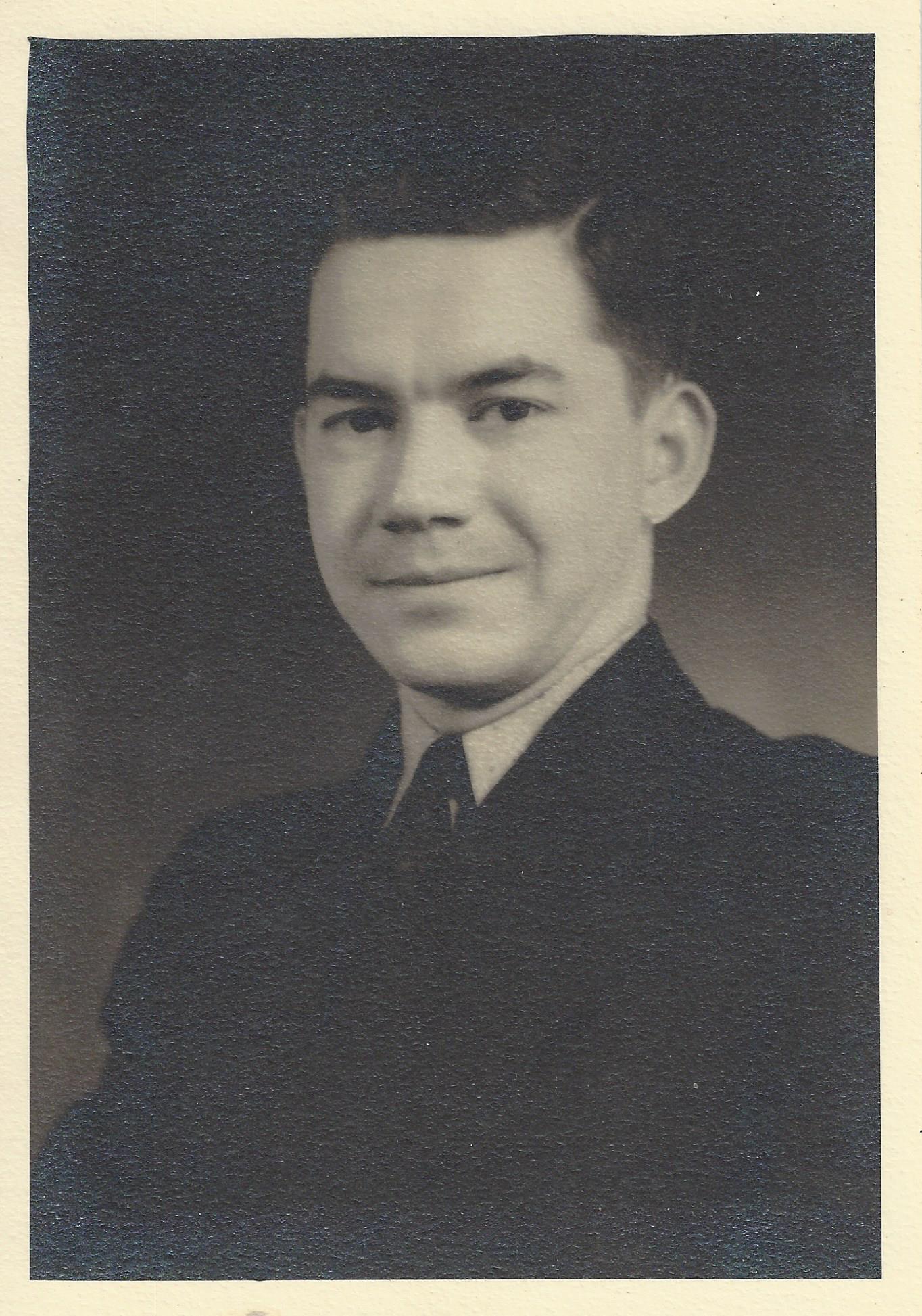
Lanty William Hickman was born October 22, 1838, the eldest son of Roger Hickman and his first wife Martha Ann Lockridge, daughter of Colonel Lanty Lockridge of Pocahontas County. His mother died on May 25, 1843, when Lanty was only five years old, leaving him and his sister Mary Elizabeth “Lizzie” motherless. A third sibling, infant Harriet Ellen, died just two weeks after Martha Ann.
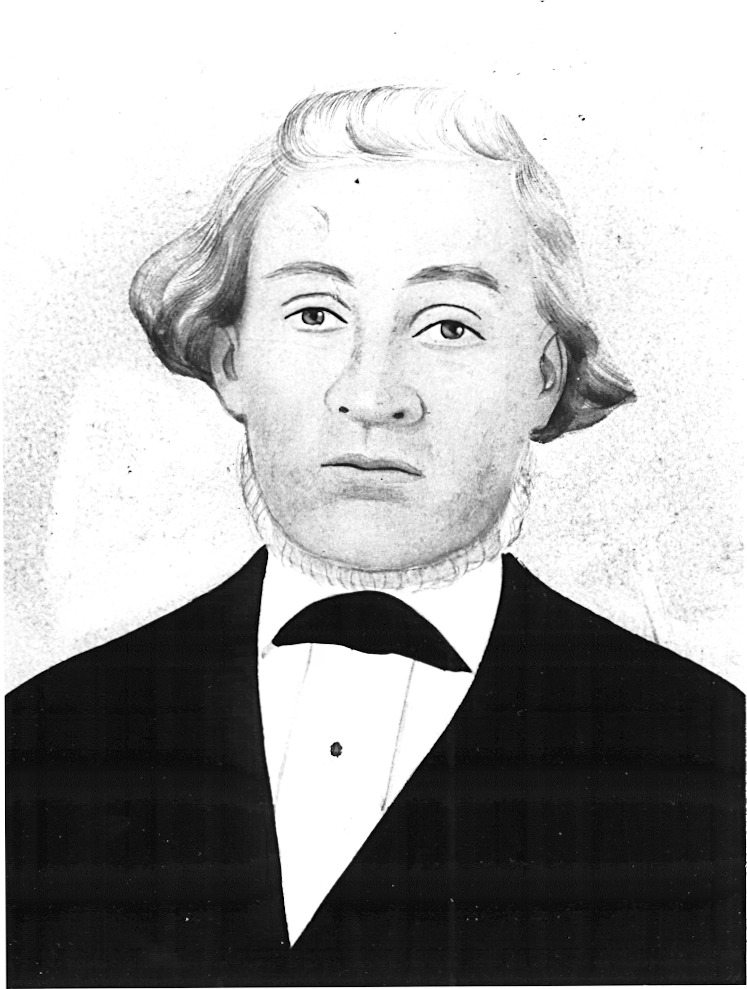
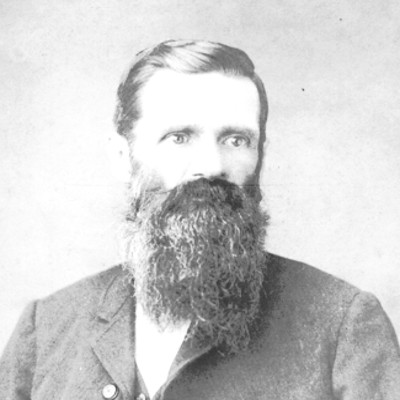
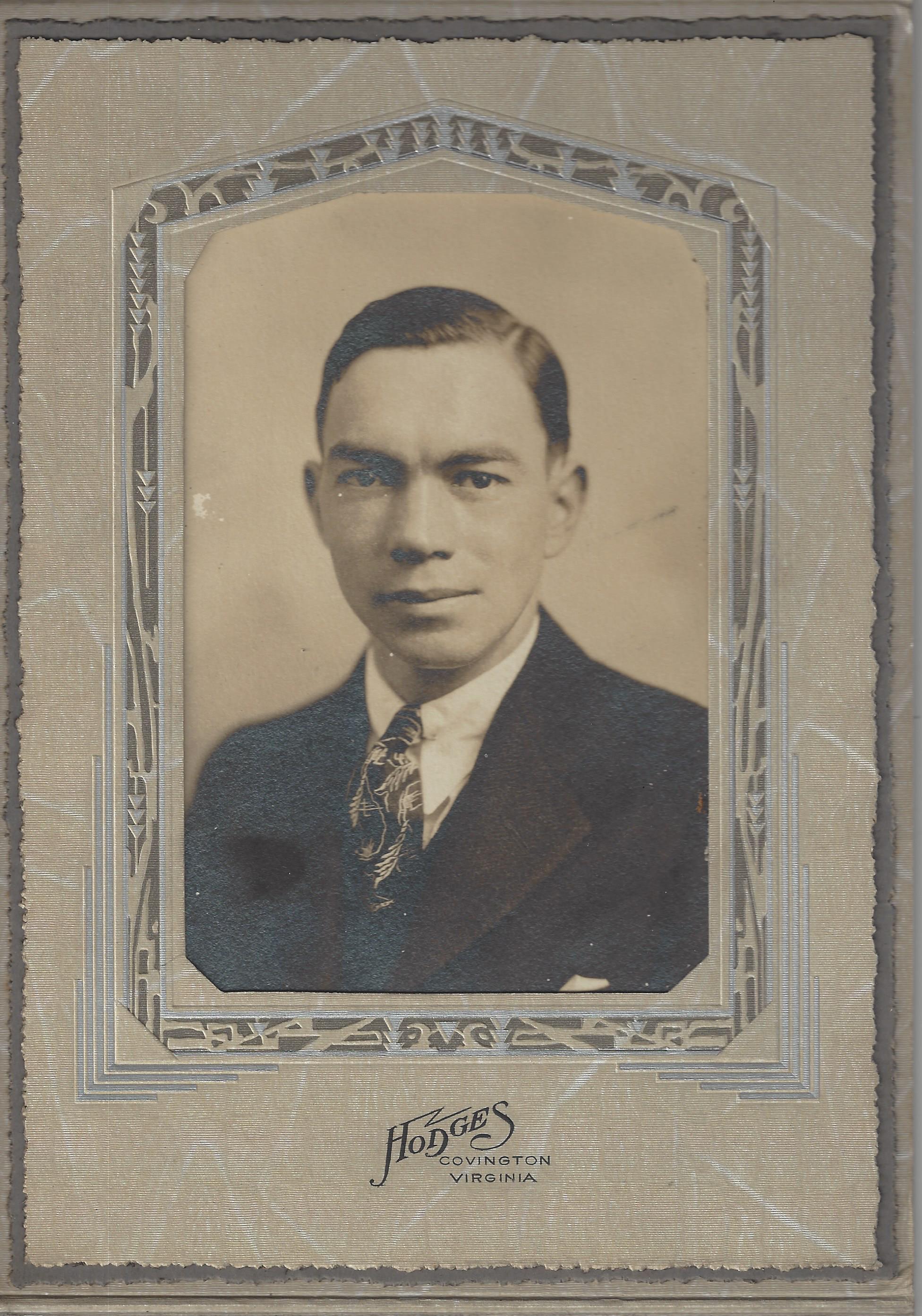
On December 28, 1859, Lanty married Mary Angeline Wiley (1841–1891). During the Civil War he served in Company F of the 11th Cavalry Regiment, Confederate States Army. A striking portrait of him in his CSA uniform survives in the family archive — one of the earliest photographs in the collection.
After the war, Lanty moved to West Virginia. He and Mary Angeline had at least ten children, many of whom settled across the mountain towns of West Virginia: Mary Elizabeth “Lizzie” (who married James Frank Folk), Eva Virginia (who married Frederick Charles Keim), Frances “Fannie” (who married a Mr. Blackhart), Cecil W. “Joe,” H. M. “Mack,” John R., Thomas (who died in infancy), Ida Campbell (who married Thomas Cummings), and Mattie Lockridge “Lockie” (who married Frank Ervin Mower — their sons later ran the Mower Lumber Company at Cass, West Virginia, where Lanty’s half-brother Robert Sidney Hickman served as manager).
Eva Virginia Hickman (1864–1952) grew up in Green Bank, Pocahontas County, and married Frederick Charles Keim in 1884. After Frederick left the family, Eva ran a small hotel. Her descendants, including the Keim family of Clarksburg, remain connected to the broader Hickman family today.
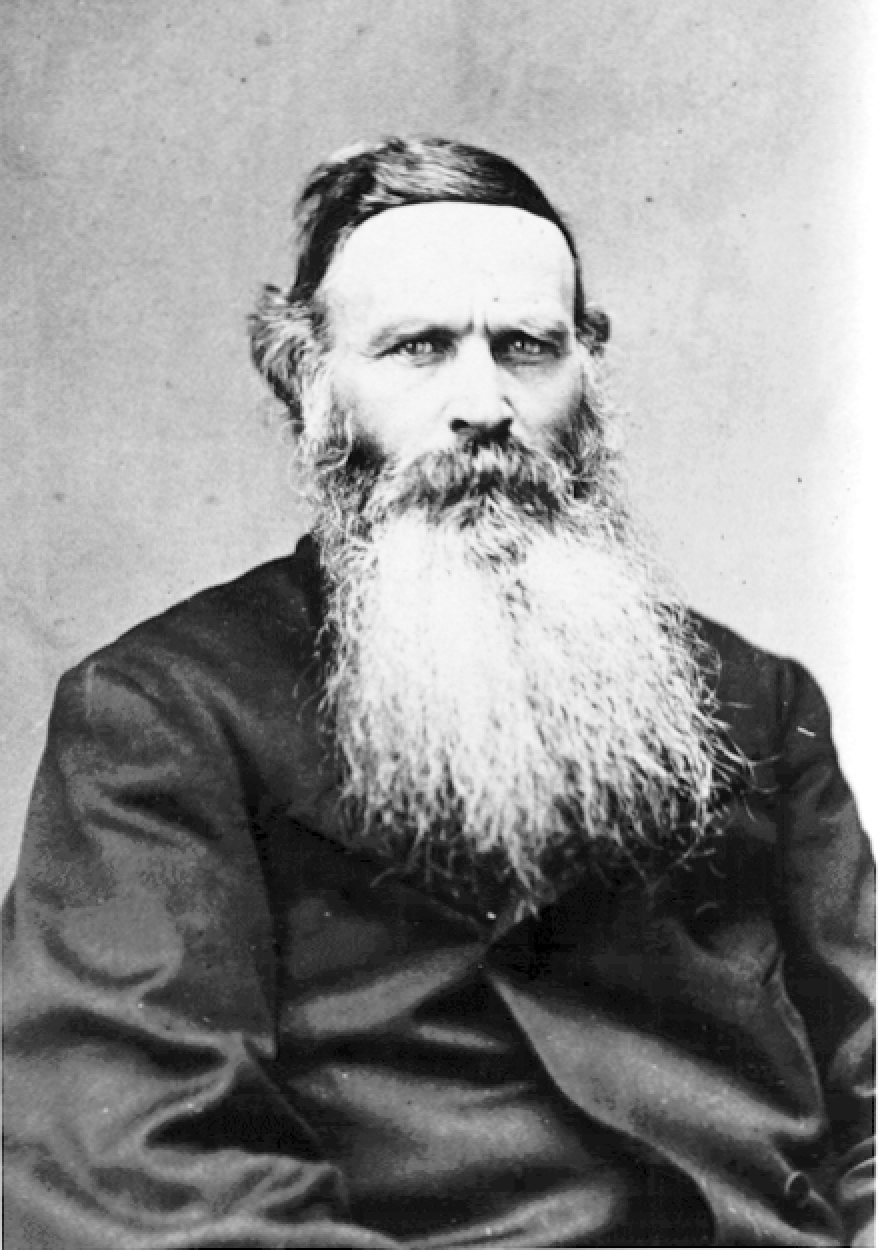
Lanty died on September 19, 1906. His portrait, both in uniform and in civilian dress with his distinctive full beard, connects the modern family to the generation that lived through the Civil War on Back Creek.

Virginia Alice Hickman — known to the family as “Aunt Jenny” — was the oldest child of Roger Hickman’s second marriage to Margaret Brown Campbell. She was born on May 13, 1848, at Sunrise on Back Creek.
Jenny’s love story is the classic tale of the woman who waited. She fell in love with a neighbor’s son, Joe Hamilton, but the young man left for California to make his fortune, promising to return for her. So Jenny waited — and ran the large, busy household. Her mother Margaret had nine children in less than twenty years of marriage and had never been robust. After Margaret’s death in 1862, Jenny took on the responsibility of raising her younger siblings, and that burden was not lessened by her father’s third marriage to Rebecca Ann Lowry, who suffered from arthritis and was a semi-invalid most of her life.
Jenny waited twenty-six years. Joe Hamilton finally came back for her, and they married and moved to California. She never had children of her own, but she raised her brother Tom’s children after the death of his first wife. Family accounts describe her as “a strong looking woman with a definite set to her chin” — a chin she likely developed from her long years of service to the family.
“She was neither the most beautiful nor the most colorful member of the family, but for sheer force of character and goodness she walks away with the prize.”
Thomas Brown Hickman — “Uncle Tom” — was born on November 1, 1849, the most colorful and controversial member of the Hickman family. He had long flowing white hair and a long beard, and to his young relatives he looked like the prophets in the book of Bible stories in the parlour.
Tom had a streak of brilliance. He could prove that all recent events were foretold in the Bible, reciting chapter and verse to uphold his theories. He ate peas with his knife — when his nephew George tried to imitate him, grandmother told George to use a fork; Uncle Tom fixed the boy with a glittering eye and told him to listen to his grandmother, but that he himself would continue eating with his knife.
As a child during the Civil War, Tom witnessed a Yankee raiding party taking grain from the granary — a log building on piers over the stream. While the soldiers were distracted, young Tom picked up one of their guns and dropped it into the water below. The gun was ruined, but the bayonet survived for many years as a family relic.
Tom talked back to his parents and got away with it, though he once nearly got himself thrown out of his sister Ollie’s house for making earthy remarks about a waitress in Huntington. He married twice: first Mary W. Payne on December 22, 1881 (four daughters: Carrie, Sara, Brownie, Theola), and after her death, Mary Whitmore on June 2, 1901 (three children: Margaret, Lucille, R. Ancel). “Every family needs spice from a character like Uncle Tom. I guess he was marching to a different drummer.”
Laura Eugenia Hickman was born on January 12, 1856, the seventh child of Roger and Margaret Campbell Hickman. She was remembered by the family as “a very beautiful woman.” A card in the family Bible preserves a piece of material and a braid of her lovely brown hair.
Despite poor health, Laura served as the Sun Rise postmaster from 1880 until her death — described as “a man’s job” that showed how the Civil War and Reconstruction had changed the lives of Hickman women. She remained at the family home on Back Creek and told the family “it was a poor house that could not afford one lady.” Laura was the Lady. She died of Bright’s disease on April 27, 1888, at age 32. Roger’s will bequeathed Laura’s saddle to her sister Lula and her bedding to Virginia Alice. Her younger sister Lula Georgia, then just 14, succeeded her as postmaster.
But grandmother was forever grateful to this “lovely, haunted sister” for one act of quiet courage: throwing Victorian propriety to the winds and explaining the facts of life to the younger girls. Laura had not been prepared for puberty herself — she had gone to the creek in cold weather to wash her clothes and bathe, developed a terrible cold with complications, and nearly died. After that, grandmother made sure that all the girls in the family knew well in advance of the changes that would come.
Emma Susan Sabina Hickman was born on November 15, 1852, the fifth child of Roger and Margaret Campbell Hickman. At four months old she still had no name — Roger wrote to his daughter Lizzie, “We have not named the Baby yet.” As a child, Emma suffered three bouts of St. Vitus’ dance (Sydenham’s chorea). During the worst attack, a visiting minister wrote that she “was very bad with it all winter — so bad that she could not hold up her head, no more than an infant, for several weeks, & could not speak or make her wants known by nod or gesture for a long time.” She recovered, and in time married James W. Bulger and settled in Deerfield, Virginia. Though they had no children, their love left a lasting impression on the family.
When family members first met James Bulger, they found him to be “a dapper man with the most beautiful manners.” Aunt Emma had died a few years before his visit, and he was still grieving for her. Grandmother told the household help that “he had certainly been a devoted husband.”
James Bulger published a poem in the Bath County Enterprise on January 2, 1920, mourning the loss of his beloved wife:
I MISS THEE
I miss thee dearest Emma
From our once dear happy home
While your body sweetly sleeping
And on earth no longer roams,
Could I clasp your hand, dear loved one
As in days of long ago,
It would soothe so many heart aches,
But alas cannot be so,
Oh, tonight around me gather
All the heart aches man can know,
But my eyes are fixed on heaven,
There each other we shall know.
Yes, your spirit it is basking
In the sunlight far above,
With your Savior who so kindly
Brought you with His precious blood.
But in return you kindly gave Him
Your dear heart so kind and true,
And the angels bore you upward
To be with Him who died for you.
— Loving husband, J.W.B.
Clipping from the scrapbook of the late Hallie Harland. From the Bath County Enterprise, Jan. 2, 1920.
Martha Ellen Hickman was born on March 4, 1847, the first child of Roger Hickman and his second wife Margaret Brown Campbell. She died on January 31, 1861, at just thirteen years old — on the eve of the Civil War that would transform her family’s world on Back Creek.
Her gravestone in the Sively Cemetery reads: “M. ELLEN / Daughter of R & M.B. HICKMAN / Born May 4, 1847 / Died Jan 31, 1861.” The gravestone records her birthdate as May rather than March — a small discrepancy with the family Bible that has persisted for over 160 years.
Matilda Margaret Hickman — called “Tillie” — was born on July 24, 1854, the sixth child of Roger and Margaret Brown Campbell Hickman. She died on July 29, 1935, five days after her 81st birthday.
Tillie married Charles Isaac Hepler on October 28, 1873, and the couple settled near Millboro, Virginia. Her niece Lula Georgia recalled to her granddaughter Marian that “the most beautiful bride in the family had been Aunt Tilly.” Marian later wrote: “I saw Aunt Tilly once when she was very old and very ill, but she had the Hickman nose.”
Tillie and Charles had six children: William Brown Hepler, Fletcher E. Hepler (never married), Minnie Frances Hepler (who married William Valentine Wade, a blacksmith in Millboro Springs), Charles Eugene Hepler (died at age 14), Clarence M. Hepler (died young), and Forrest Franklin Hepler, who ran a Ford dealership in Millboro — from whom Peter L. Hickman bought two Model T’s. Three Hepler men served as pallbearers at Peter’s 1937 funeral.
Ella Anne Hickman was born on March 24, 1865, the first child of Roger Hickman and his third wife Rebecca Ann Lowry. She married Hugh Francis Harnsberger (d. September 21, 1924) — she may have been his second wife.
The family lost track of Ella and her children over the years. When Julian Kenneth Hickman attempted to settle the Back Creek land titles in 1945–1946, he listed “Aunt Ella’s children” among the heirs that needed to be located. Roger’s will had left Ella and her sister Lula a joint bequest of 72 acres plus 13 adjoining acres and a portion of a 500-acre tract.
Ella and Hugh had seven children, including Thomas Littleton Harnsberger, who became a Presbyterian missionary in China for thirty years — all of his children were born there. Robert Sidney Hickman remembered his sister and left money to “some of Aunt Ella’s children” in his will.

Robert Sidney Hickman was born circa 1872 on Back Creek, the fifth child of Roger Hickman and Rebecca Ann Lowry. He married Julia B. McCoy of Baltimore; they had no children.
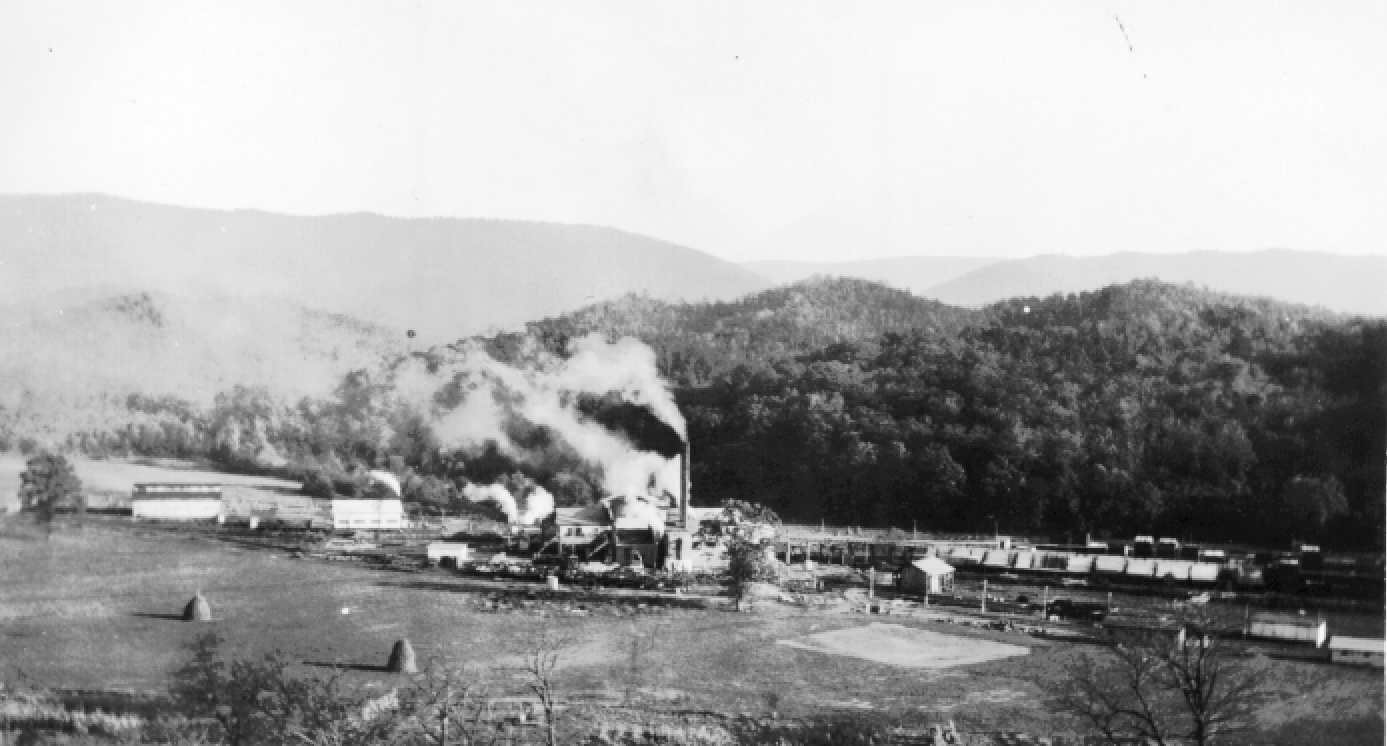
In 1902, at age 30, Robert became general manager of the Pocahontas Supply Company in the lumber town of Cass, West Virginia — one of the largest company store operations in the country, stocking “food, clothing, hardware, lumber, horse feed and supplies of every description.” He served as manager for an extraordinary 45 years, from 1902 to 1947. He also served as Postmaster of Cass, Justice of the Pocahontas County Court, and director of the Bank of Marlinton.
Robert and Julia lived on “Big Bug Hill” (also called “Snob Hill” or “Quality Hill”) in a company-owned house purchased for $1.00. His niece Marian recalled: “Uncle Bob was a smooth, smooth man… they were very well-off. They would travel to Miami in the winter and they drove this Packard… her house was exquisite, just exquisite.”
But not all family memories were warm. His half-nephew Harry H. Hickman remembered: “Uncle Bob was a phantom to the Peter Hickman children. We knew he existed… but we never saw him other than at a distance. He’d make probably two trips per year, passing by our home, going one mile south to see his sister, but he never stopped to see us.” A land dispute between Peter L. Hickman and George W. Rose had fractured the family for thirty years.
In 1942, the Mower Lumber Company bought the Cass operations. Robert, then 70, continued as manager for five more years — working for his grand-nephews, the Mower brothers, who were descended from his half-brother Lanty’s daughter Lockie. About 1930, Robert placed simple headstones at the graves of his mother Rebecca and two siblings who had died in infancy — Minnie Francis and Hezikiah Houston — at locations remembered by him and his sister Lula.
Julia died in 1951 after falling and breaking her hip while the couple was en route to their annual Florida vacation. Robert died on April 16, 1954, at age 82, in his house on Big Bug Hill. His generous will left $10,000 each to Lula’s children and money to Aunt Ella’s descendants. They are buried in Mountain View Cemetery in Marlinton, West Virginia.
Lula Georgia Hickman was born on April 3, 1874, the sixth child of Roger Hickman and Rebecca Ann Lowry. She married George Washington Rose on December 21, 1892, and they remained on Back Creek — living in the old William Hickman–Roger Hickman homestead where Lula had been born.
Lula stayed because her brothers Robert and George made a bargain: they would give her their shares of the property if she would remain on the farm and care for their mother Rebecca. She kept her promise, and the old house became the Rose family home. Her granddaughter Marian Rose Hoge MacKenzie (1920–2019) was born there.
A child of the Reconstruction South, Lula knew both good times and hard times. Her favorite expression was: “A willful waste makes a woeful want.” She used it frequently at harvest, as she was canning, drying, making apple butter and cider. She made bread pudding from stale biscuits — crumbled bread baked in rich custard, spread with tart jelly made from wild goose plums, and covered with a meringue browned in a hot oven.
Lula loved to tell family stories. She recalled that “the most beautiful bride in the family had been Aunt Tilly.” She laughed that she had been drunk once in her life: as a small child, her older sisters had siphoned the unfrozen liquid from the center of frozen cider barrels and given it to her. “Her father was burning the chimneys, and noticed little Lula staggering about.”
Looking at the family plot where her father Roger was buried between his second and third wives, with the first wife further away, Lula remarked: “The last shall be first, and the first shall be last.”
Susie Green, the daughter of a formerly enslaved person, still lived on the old Hickman home place, cooking for Lula and looking after her grandchildren. Lula died in November 1943 on Back Creek. Her children included Bedford Dewey Rose and Hallie Grey Rose, through whom the family stories passed to Marian and onward.

George Roger Hickman was born on October 30, 1880 — the last of Roger Hickman’s eighteen children, born when Roger was 67 years old. It must have been a strange family for a child: his oldest half-brother Lanty was 42, and his half-sister Lizzie was 40. George had nieces and nephews twenty years his senior.
George became a railroad fireman and engineer, traveling routes from West Virginia to Iowa. He gave his share of the family homestead to his sister Lula, keeping the bargain that she would stay and care for their mother.
During his childhood, George was a favorite of “Cousin Polly” (Mary H. Hickman), whom the family remembered fondly. When Polly lay dying and no one could rouse her, young George was sent in to try. When his efforts failed, he hit upon the sure thing: Cousin Polly had a phobia about frogs. George leaned over and whispered, “Cousin Polly, there’s a frog in your bed.” Cousin Polly seemed to smile in her sleep, but she never woke up.
George married Grace Maude Rose on September 25, 1912. He died just seventeen days later, on October 12, 1912, at age 31. The cause is unrecorded. Nine months after his death, his daughter Georgie Roberta Grace Hickman was born — a child who would never know her father. Grace lived until 1979, surviving George by sixty-seven years.

Mary Elizabeth Hickman — “Aunt Lizzie” — was born on February 17, 1840, the second child of Roger Hickman’s first marriage to Martha Ann Lockridge. She married Stuart S. Ryder, and they had no children.
Aunt Lizzie was famous in the family for prowling around the house at night — a trait later generations would call “the Hickman blood.” One morning, the neighbors were going about their early chores when Uncle Stuart was heard to exclaim: “A man can never get any sleep around here. The Hickmans prowl all night and the Lightners are up before dawn.”
There is also a “very wonderful story” of grandfather Rose being less than kind to Aunt Lizzie, to which she responded with a Biblical quotation so perfectly appropriate that it “really put him in his place.” She was known for visiting the farm at least once a year, and the family was always delighted to see her. A daguerreotype from circa 1880 survives in the archive.

Martha Ann Lockridge was born on March 12, 1816, the daughter of Colonel Lancelot “Lanty” Lockridge and Elizabeth Benson, among the first settlers of what is now Pocahontas County, West Virginia. Her father was a man of wealth and influence — her grandfather Andrew Lockridge had been Captain and Major of the 2nd Battalion Augusta Militia in the Indian Wars and the Revolution, and had fought with General Andrew Lewis at the Battle of Point Pleasant in 1774. Bill Gabriel called Martha’s marriage to Roger “a propitious marriage, for Roger had married into a family of wealth and influence in the region.”
Roger and Martha married on January 11, 1838, at her parents’ home in Pocahontas County. His older brother William P. Hickman had been pressuring Roger for years to find a wife, writing letters full of “comments on Roger’s unmarried status and suggestions that he meet various young women picked out for him by William,” who was “fond of sporting metaphors, cautioning Roger about fishing down the creek, and inviting him to go ‘dear’ hunting.” After the wedding, Roger brought his bride home to Sun Rise on Back Creek, where a traditional “infair” celebration welcomed the newlyweds.
Roger and Martha had their portraits painted by a “primitive” artist — both paintings were later modified, with Martha’s portrait bearing a note on the back reading “make hair present style and dress black.” Together they had three children: Lanty William (named for both grandfathers), Mary Elizabeth “Lizzie,” and Harriet Ellen, who died at just ten months old.
Martha died on May 25, 1843, just six days after the death of her infant daughter. William Taylor, Roger’s nephew, wrote in his autobiography that Martha was “going into consumption” (tuberculosis) when he last visited. “Taylor did not mention the child,” Gabriel observed, “but in the end Martha may have been too weak to nurse her babe.” When Roger’s father died five months later, Roger had lost his mother, father, wife, and one of his three children in less than thirteen months. Martha was buried in the Sively Cemetery, her grave unmarked for the entire history — though it is said to be near that of his second wife, Margaret.
Margaret Brown Campbell was born on October 4, 1824, the daughter of Thomas Campbell and Elizabeth Slaven. Her father farmed a little further north on Back Creek from the Hickmans and became the Highland County surveyor when the county was formed in 1847, a post he held for eleven years. Thomas and two others surveyed the Highland boundary, and his original manuscript map — restored in 1997 — was printed in a limited edition for the Highland Historical Society. Thomas Campbell had also been a witness to the will of Roger’s father William Hickman in 1843, connecting the two families even before the marriage.
Margaret married Roger Hickman on March 12, 1846, nearly three years after the death of his first wife Martha Ann. Roger was 32; Margaret was 21. Together they had nine children in less than sixteen years of marriage: Martha Ellen, Virginia Alice “Jennie,” Thomas Brown, James Elliot, Emma Susan Sabina, Matilda Margaret “Tillie,” Laura Eugenia, Peter Lightner, and Andrew Johnson. The family remembered that Margaret “had never been a robust person” — bearing nine children took a heavy toll on her health.
Margaret died on May 16, 1862, about six months after bearing her ninth child, Andrew Johnson, who himself died that December at fourteen months old. She was just 37. Roger was left with nine surviving children ranging in age from 24 to 4. His eldest daughter Virginia Alice, then only 14, eventually took charge of the household, a burden she carried for decades. Through Margaret’s uncle John Campbell, the Campbell and Hickman families would reconnect a generation later when Warren Maxwell “Doc” Campbell married Roger’s granddaughter Ollie Virginia “Virge” Hickman in 1927.
Margaret was buried in the Sively Cemetery with a permanent headstone. Roger was later buried beside her — prompting his daughter Lula to observe that he lay “between his second and third wives, with the first wife further away — ‘The last shall be first, and the first shall be last.’”
Rebecca Ann Lowry was born on May 7, 1835, the daughter of William and Mary Lowry. She married Roger Hickman on November 3, 1864, during the Civil War — a period from which no family letters survive. Roger was 51; Rebecca was 29, a woman twenty-two years his junior and only three years older than his eldest son Lanty.
Together they had six children: Ella Anne, Minnie Francis (died in infancy — years later, her sister Lula claimed the baby had “died from a type of diarrhea gotten from sucking the fuzz off a peach”), Hezikiah “Hezzie” Houston (also died in infancy, of “summer complaint”), Robert Sidney, Lula Georgia, and George Roger — Roger’s last child, born when Roger was 67. Bill Gabriel wondered whether the two infant deaths “may have been related to the hard times under Reconstruction.”
Rebecca suffered from arthritis and was “a semi-invalid most of her life,” which meant that Roger’s stepdaughter Virginia Alice “Jennie” Hickman continued to carry the burden of running the household. Despite her condition, Rebecca served as the Sun Rise postmaster after her stepdaughter Laura Eugenia died of Bright’s disease in 1888, holding the position until about 1890.
When Roger wrote his will in January 1889, three weeks before his death, he left Rebecca “the old homestead on which I reside” — over 200 acres of land, four cows, two mares, a wagon and harness, a cookstove, and fifteen sheep — for her lifetime, to pass to their sons Robert and George after her death. Rebecca survived Roger by seven years, dying on June 15, 1896. Her headstone in the Sively Cemetery was not placed until about 1930, when her son Robert Sidney placed simple stones at the locations he and his sister Lula remembered.
James Elliot Hickman was born on January 30, 1851, the fourth child of Roger Hickman and his second wife Margaret Brown Campbell. When his mother died in May 1862, James was twelve years old — one of the two boys, along with his older brother Thomas Brown (age 14), old enough to help with farm work on Back Creek during the turmoil of the Civil War.
James probably died as a teenager in the 1860s while a patient at the Western State Hospital in Staunton. He may have been buried in Staunton. The family Bible records only his birth date; the exact circumstances of his short life remain one of the gaps in the Hickman family story.
“I have nothing perticular to write you, but I would inquire wither you have forgotten how to write or not? you doubtless have, or you would have written to me before this time, four months have passed since I came here and I have not received a line from one of my relations.”
— William Hickman to his brother Roger, 1833
“I have neither received or heard a single Solatary word from any of you Since I parted from you in your own State not with Standing I Started a written communication Shortly after I arived home. I waited anxiously for a long time in hopes of receiving a letter but all in vain.”
— Joseph Elliott to his cousins on Back Creek, 1840
“The younger Hickmans do not know, and do not practice, the art of writing letters. What a shame that they will leave nothing like this for their grandchildren.”
— Bill Gabriel, Hickmans of Back Creek, 1993
Some things never change. The Hickmans have been begging each other to write for nearly two centuries. Your turn.